Why Is Seasonal Corn Silage Essential for Modern Livestock Farming?
Seasonal corn silage has become one of the most valuable forage resources for livestock farms around the world. Farmers rely on it to maintain stable feed supplies, improve cattle performance, preserve nutrients, and lower operational costs during changing seasons. This article explains everything about seasonal corn silage, including harvesting timing, storage methods, nutritional value, common mistakes, machinery requirements, and practical feeding strategies. Whether you operate a dairy farm, beef cattle ranch, sheep farm, or mixed livestock business, understanding seasonal corn silage can help maximize productivity and profitability.
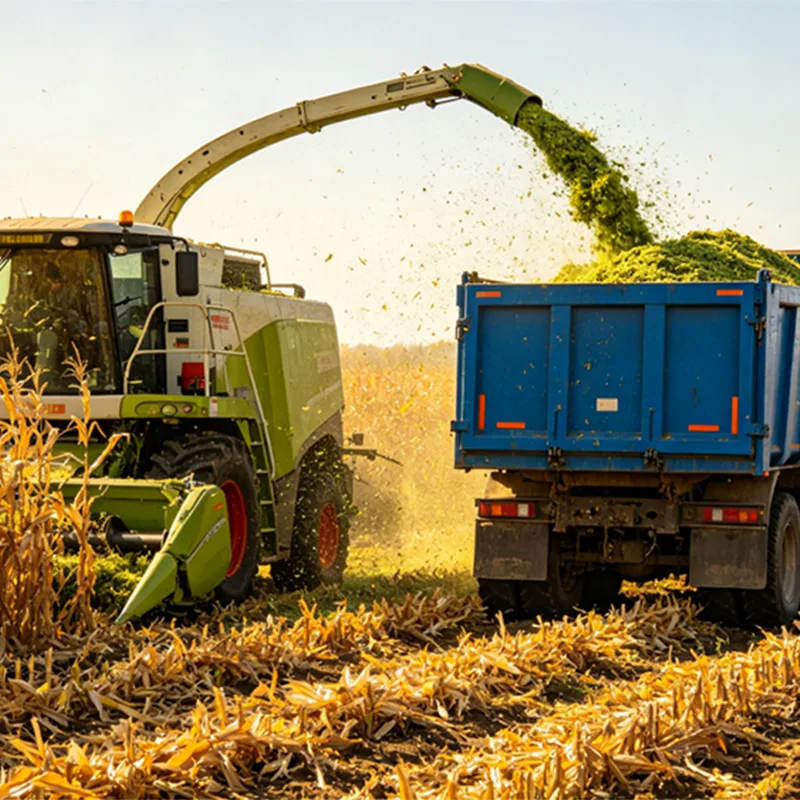
Table of Contents
- 1. Understanding Seasonal Corn Silage
- 2. Why Farmers Depend on Seasonal Corn Silage
- 3. Nutritional Advantages of Corn Silage
- 4. Best Harvest Timing for Seasonal Corn Silage
- 5. Silage Preparation Process
- 6. Storage Methods and Preservation Tips
- 7. Common Problems and Solutions
- 8. Seasonal Feeding Strategies
- 9. Comparing Corn Silage with Other Forage Options
- 10. Equipment Needed for Efficient Silage Production
- 11. Economic Benefits for Livestock Farms
- 12. Sustainable Agriculture and Environmental Impact
- 13. Choosing a Reliable Agricultural Partner
- 14. FAQ
1. Understanding Seasonal Corn Silage
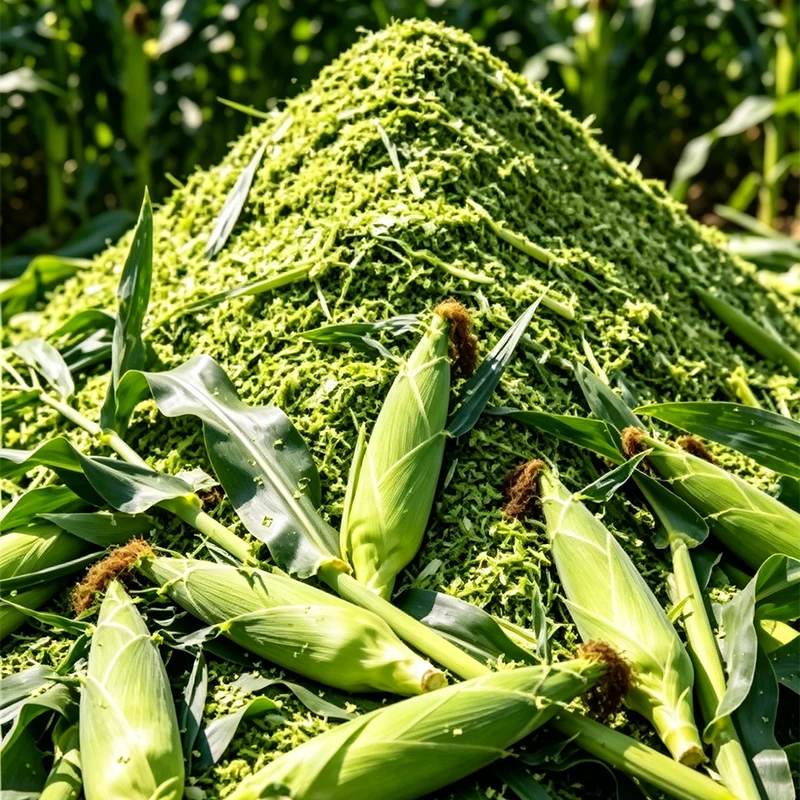
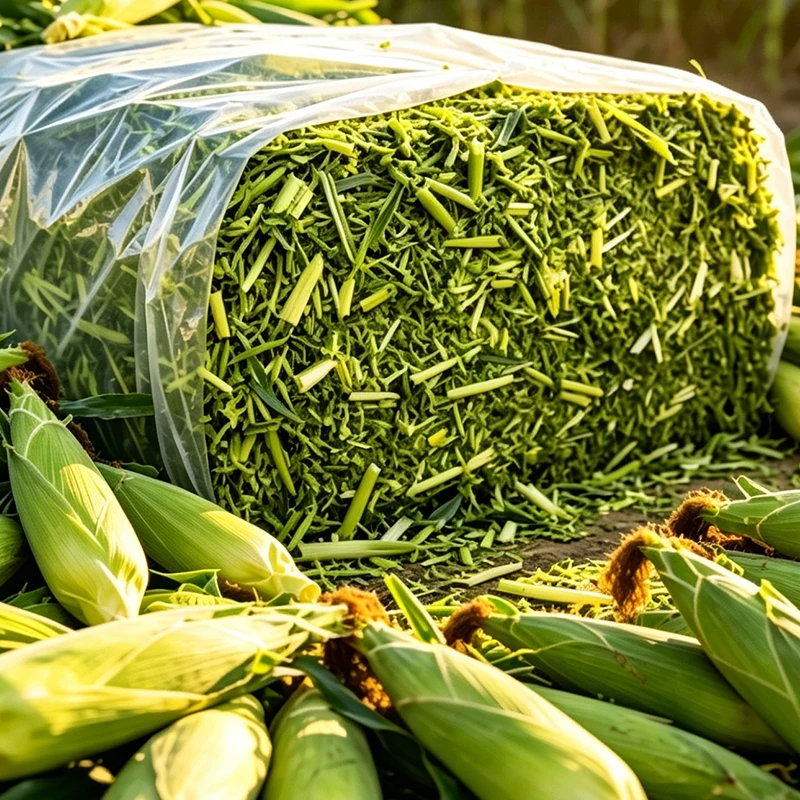
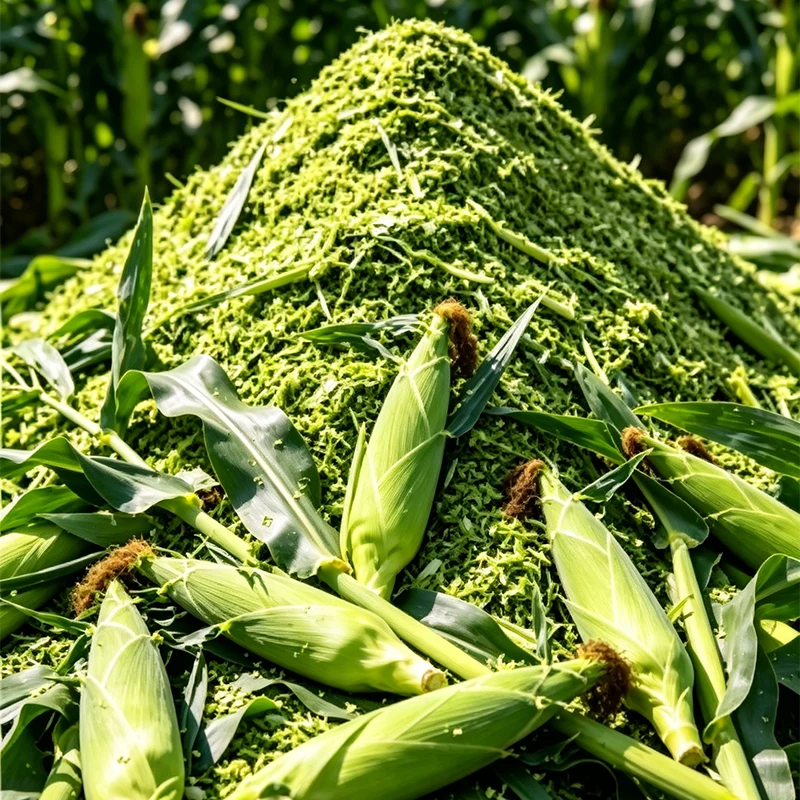
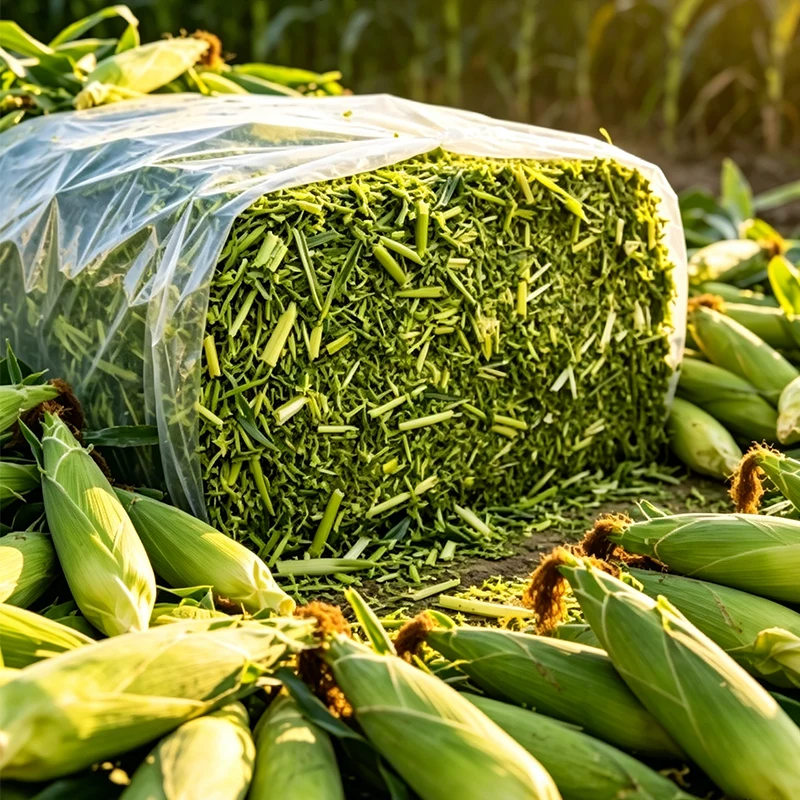
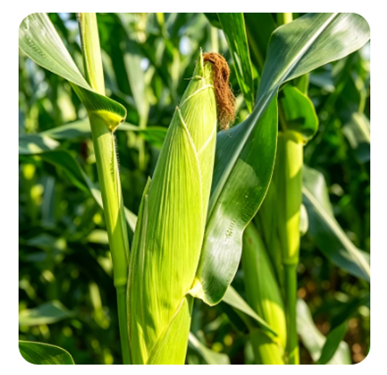
Seasonal corn silage refers to fermented chopped corn plants harvested during the optimal growing season and stored under anaerobic conditions for livestock feeding. Unlike dry grain corn, silage uses the entire plant, including stalks, leaves, ears, and kernels. This approach allows farmers to maximize nutritional utilization while reducing waste.
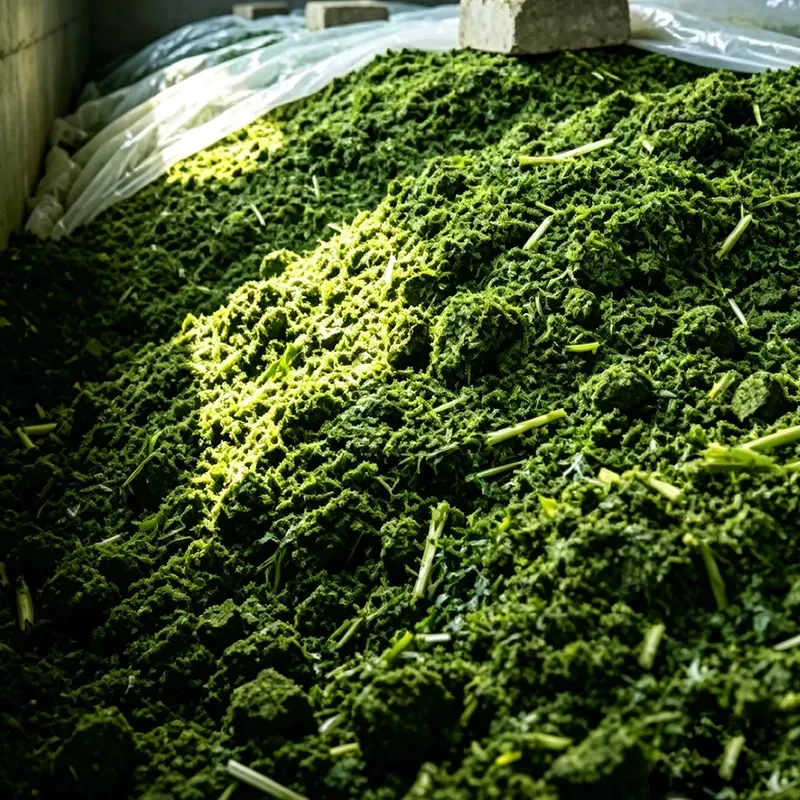
Silage production typically occurs during specific harvest windows when corn moisture and starch levels reach ideal conditions. The harvested crop is chopped, compacted, and sealed to encourage lactic acid fermentation. Proper fermentation preserves nutrients and creates a stable feed source for months.
Key Benefits of Seasonal Corn Silage:
- High energy content for livestock growth
- Long-term storage capability
- Reduced feed shortages during winter
- Improved digestibility
- Lower overall feeding costs
Many dairy and beef farms now consider seasonal corn silage a core component of feed management because it offers consistent nutrition throughout the year.
2. Why Farmers Depend on Seasonal Corn Silage
Weather changes, fluctuating feed prices, and land management challenges make reliable forage supplies extremely important. Seasonal corn silage provides stability during periods when fresh forage becomes unavailable.
Livestock require balanced nutrition every day to maintain productivity. During colder months or dry seasons, pasture quality often declines significantly. Silage ensures animals continue receiving energy, fiber, and nutrients even when fresh grazing resources are limited.
| Challenge | How Corn Silage Helps |
|---|---|
| Winter forage shortage | Provides long-term stored feed |
| High feed prices | Reduces dependency on purchased concentrates |
| Variable pasture quality | Maintains consistent nutrition |
| Livestock productivity decline | Supports stable milk and meat production |
Farmers also value silage because it simplifies feed planning. By preparing large quantities during harvest season, farms can better predict feed availability and budgeting.
3. Nutritional Advantages of Corn Silage
Seasonal corn silage contains multiple nutrients necessary for livestock health and performance. The fermentation process improves digestibility and helps animals absorb nutrients more efficiently.
The major nutritional components include:
- Carbohydrates for energy production
- Fiber for rumen health
- Moderate protein content
- Essential vitamins and minerals
- Digestible starch from corn kernels
Dairy cattle especially benefit from the energy density of corn silage. Improved energy intake often leads to higher milk yield and better reproductive performance.
Typical Nutritional Profile of Corn Silage:
- Dry Matter: 30%–38%
- Crude Protein: 7%–9%
- Neutral Detergent Fiber: 35%–50%
- Starch Content: 25%–35%
Balanced silage management allows farms to optimize livestock growth rates and improve feed conversion efficiency.
4. Best Harvest Timing for Seasonal Corn Silage
Harvest timing directly affects silage quality. Harvesting too early reduces starch levels, while harvesting too late creates poor compaction and fermentation problems.
The ideal harvest stage generally occurs when whole-plant moisture reaches approximately 65%–70%. At this point, kernels contain sufficient starch while plants still retain enough moisture for proper fermentation.
| Harvest Stage | Result |
|---|---|
| Too Early | Low starch and excessive moisture |
| Optimal Stage | Balanced nutrition and fermentation |
| Too Late | Poor packing and heating risks |
Farmers often monitor kernel milk lines and dry matter levels to determine ideal harvest timing. Accurate timing helps preserve nutrients and reduce spoilage losses.
5. Silage Preparation Process
Producing premium seasonal corn silage requires careful attention at every step.
The process generally includes:
- Harvesting at the correct maturity stage
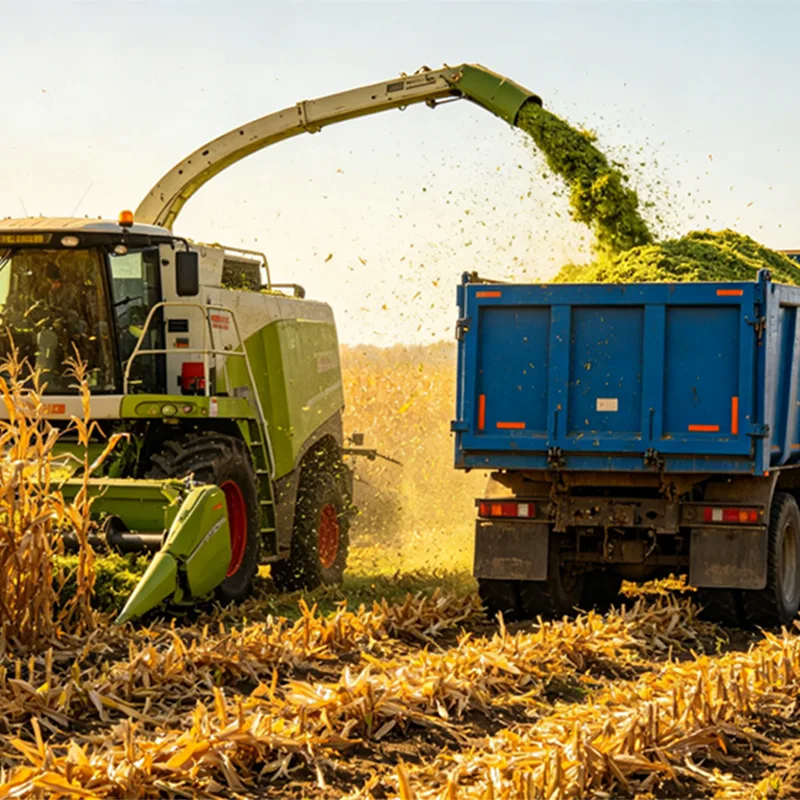
- Chopping forage to proper particle size
- Transporting quickly to storage areas
- Compacting thoroughly to remove oxygen
- Sealing immediately for fermentation
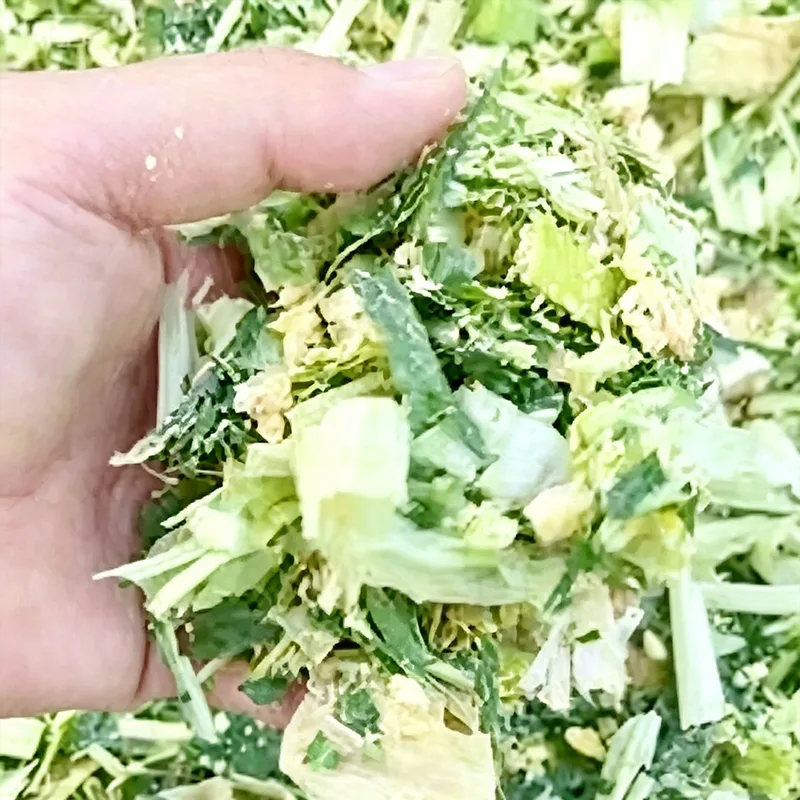
Proper chopping improves packing density and feed digestibility. Most operations target particle lengths between 1/4 inch and 3/4 inch depending on animal requirements.
Compaction is equally important because oxygen exposure encourages mold growth and nutrient loss. Heavy tractors or packing equipment are commonly used to compress the silage mass effectively.
6. Storage Methods and Preservation Tips
Storage quality determines whether silage retains its nutritional value over time. Several storage systems are widely used in livestock agriculture.
| Storage Type | Advantages |
|---|---|
| Bunker Silos | Large capacity and efficient unloading |
| Silage Bags | Flexible and cost-effective |
| Tower Silos | Reduced oxygen exposure |
| Pile Silage | Lower construction investment |
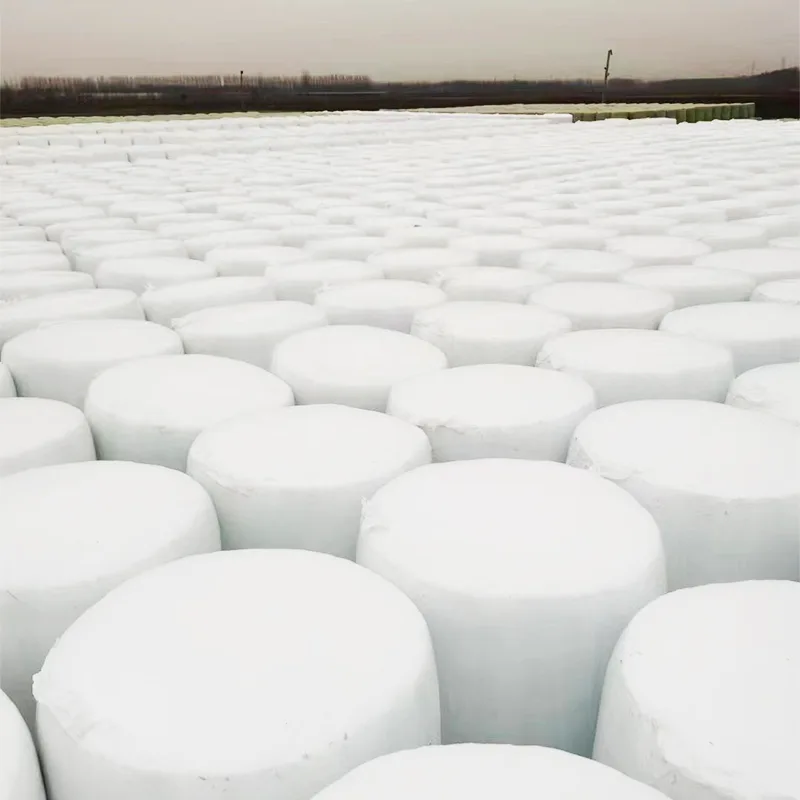
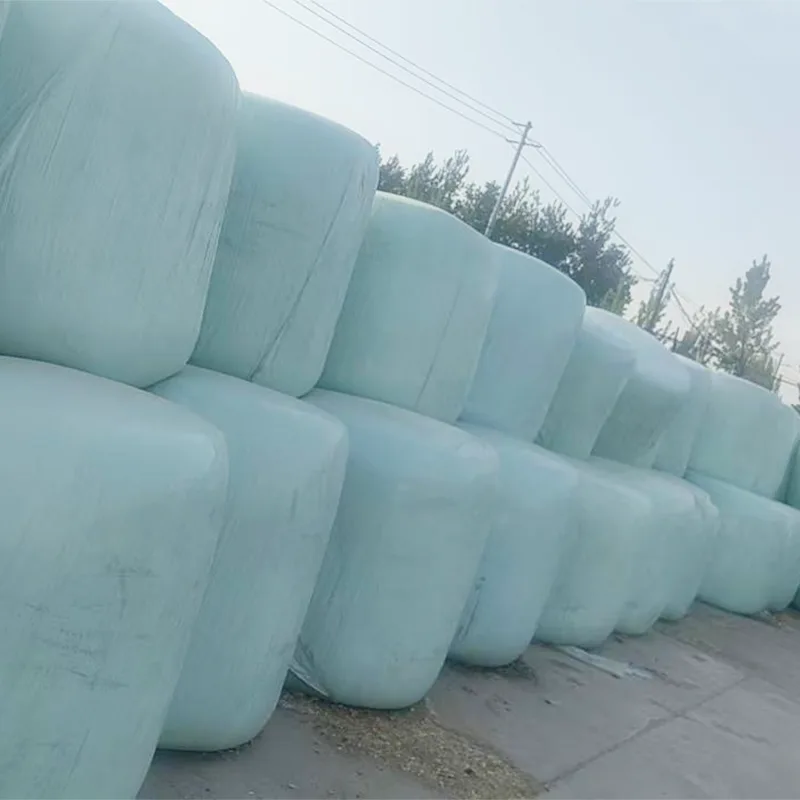
Effective preservation requires airtight sealing. Plastic covers, oxygen barriers, and edge protection all help minimize spoilage.
Preservation Tips:
- Seal silage immediately after packing
- Repair holes in plastic covers quickly
- Maintain proper feed-out rates
- Keep storage areas clean and dry
- Monitor for mold or heating signs
7. Common Problems and Solutions
Even experienced farms encounter silage challenges. Understanding common issues helps prevent major losses.
| Problem | Cause | Solution |
|---|---|---|
| Mold Growth | Oxygen exposure | Improve sealing and compaction |
| Heating | Slow feed-out | Increase daily removal rate |
| Low Nutritional Value | Incorrect harvest timing | Monitor moisture carefully |
| Excessive Moisture | Early harvesting | Delay harvest slightly |
Regular monitoring and proper management significantly reduce these risks and protect feed investments.
8. Seasonal Feeding Strategies
Different seasons require different feeding approaches. Seasonal corn silage allows farms to maintain flexibility and nutritional consistency.
During winter, silage often becomes the primary forage source. In summer, it may supplement grazing systems to maintain energy intake during heat stress periods.
Recommended Feeding Practices:
- Introduce silage gradually into diets
- Balance with protein supplements when necessary
- Adjust rations according to production stage
- Provide adequate clean water
- Monitor animal body condition regularly
Customized feeding plans improve herd performance and reduce unnecessary feed waste.
9. Comparing Corn Silage with Other Forage Options
Farmers often compare corn silage with hay, haylage, and pasture feeding systems. Each option offers different advantages.
| Forage Type | Main Advantage | Main Limitation |
|---|---|---|
| Corn Silage | High energy density | Requires storage infrastructure |
| Hay | Easy transportation | Weather-sensitive during drying |
| Haylage | Higher moisture retention | Plastic disposal concerns |
| Pasture | Low direct feeding cost | Seasonal inconsistency |
Many successful farms combine multiple forage systems to achieve nutritional balance and operational flexibility.
10. Equipment Needed for Efficient Silage Production
Modern silage operations rely on specialized machinery to improve efficiency and consistency.
- Forage harvesters
- Silage wagons
- Packing tractors
- Silage bagging systems
- Feed mixers
Technology improvements have significantly increased harvesting speed and silage quality. Precision chopping systems, moisture sensors, and inoculant applicators help optimize fermentation outcomes.
Investing in reliable equipment often reduces labor requirements while improving feed preservation.
11. Economic Benefits for Livestock Farms
Feed represents one of the largest expenses in livestock production. Seasonal corn silage helps farms control costs while maintaining productivity.
By producing forage internally, farms reduce dependence on expensive purchased feeds. Silage also minimizes weather-related feed shortages that can disrupt operations.
Economic Advantages:
- Lower feed purchasing costs
- Improved milk production efficiency
- Better livestock weight gain
- Reduced feed spoilage
- Improved year-round planning
Large-scale dairy farms often achieve significant profitability improvements through optimized silage management programs.
12. Sustainable Agriculture and Environmental Impact
Seasonal corn silage also contributes to sustainable farming systems. Efficient forage production helps maximize land productivity while reducing resource waste.
Using the entire corn plant improves biomass utilization compared to grain-only systems. Proper silage management can also reduce methane emissions by improving feed digestibility.
Many farms now adopt environmentally responsible practices such as:
- Precision irrigation systems
- Nutrient recycling programs
- Improved storage runoff management
- Reduced transportation dependency
- Energy-efficient harvesting methods
These practices support both agricultural productivity and environmental stewardship.
13. Choosing a Reliable Agricultural Partner
High-quality seasonal corn silage production often depends on reliable agricultural support and advanced farming solutions. Professional suppliers and technology providers can help farms improve crop management, harvesting efficiency, and forage preservation.
Hebei Yiman Agricultural Technology Co., Ltd. focuses on supporting modern agricultural operations with practical farming solutions and advanced agricultural technologies. By emphasizing quality control, production efficiency, and sustainable agricultural practices, the company helps farms improve silage production standards and livestock feeding systems.
Working with experienced agricultural partners can provide valuable advantages such as:
- Improved crop yield management
- Professional forage production guidance
- Enhanced storage and preservation methods
- Better livestock feeding efficiency
- Long-term operational support
As livestock industries continue evolving, reliable partnerships become increasingly important for maintaining stable feed supplies and competitive farm performance.
14. FAQ
Q1: How long can seasonal corn silage be stored?
Properly sealed corn silage can remain usable for one to three years, although most farms prefer using it within 12 months for optimal nutritional quality.
Q2: What moisture level is best for corn silage?
The recommended moisture content generally ranges between 65% and 70% for effective fermentation and packing.
Q3: Can corn silage replace all other feeds?
No. While corn silage is highly nutritious, balanced diets still require protein, minerals, vitamins, and other forage components.
Q4: Why does silage sometimes smell bad?
Unpleasant odors often indicate poor fermentation, excessive moisture, or oxygen exposure during storage.
Q5: Is seasonal corn silage suitable for all livestock?
It is commonly used for dairy cattle, beef cattle, sheep, and goats, although feeding ratios vary depending on animal type and production goals.
Q6: What is the biggest cause of silage spoilage?
Air infiltration caused by poor sealing or insufficient compaction is one of the leading causes of spoilage.
Looking for Professional Agricultural Solutions?
Hebei Yiman Agricultural Technology Co., Ltd. is committed to helping farms improve forage management, livestock nutrition, and agricultural productivity through reliable products and innovative farming solutions.
Contact us today to discover how advanced seasonal corn silage solutions can support your farming success and long-term growth.
Related News
- How Can China High Energy Mixed Silage Feed Cut Farming Costs and Boost Livestock Growth?
- How Does High Moisture Fresh Corn Silage Improve Modern Livestock Feeding?
- How Can New Crop Fresh Whole Plant Corn Silage Improve Modern Livestock Feeding Efficiency?
- Why Is Mixed Silage Feed Essential for Modern Livestock Farming?
- Is Net Bag Packed Round Cabbage the Key to Better Product Visibility and Faster Turnover?
- Why Does Baled Whole Plant Corn Silage Matter for Modern Livestock Feeding Efficiency?
Leave me a message