News
We’re committed to sharing work results, company updates, key developments, and staffing announcements with you.
 09 2026-10
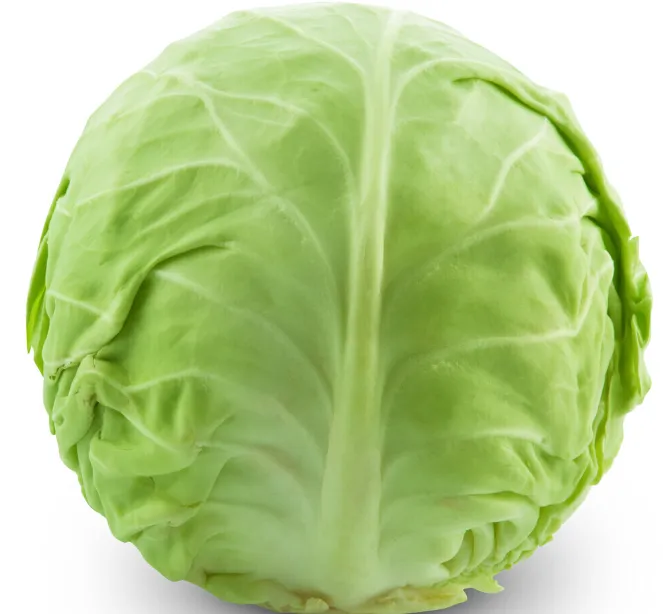
 How to Source Premium Organic Fresh Round Cabbage for Global Wholesale Business?
In recent years, the global organic vegetable market has maintained a steady growth trend, driven by the rising health awareness of consumers and the tightening of international food safety standards. More and more supermarkets, catering chains and organic food distributors in Europe, North America, Southeast Asia and other regions are abandoning conventional vegetables and turning to high-quality organic fresh round cabbage for bulk procurement. Unlike ordinary cabbage, qualified organic fresh round cabbage is cultivated in strict accordance with international organic planting specifications, free of synthetic pesticides,
 30 2026-09
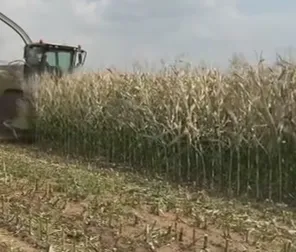
 How to Find Reliable Corn Silage Suppliers for Overseas Dairy and Beef Farms?
Corn silage is fermented whole-plant forage with balanced starch and fiber, widely adopted in dairy cow, beef cattle and sheep feeding. Well-made corn silage maintains good palatability and high digestibility, helping ruminants keep healthy rumen function and lift milk or weight gain performance.
 23 2026-09
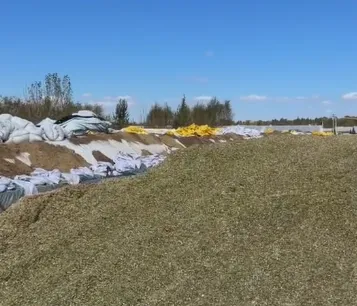
 How to Build a Durable Silage Pit for Farm Forage Storage in Large Livestock Farms?
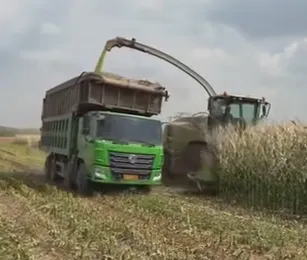
Many farmers underestimate the influence of storage facilities on feed quality. A properly constructed silage pit creates an anaerobic environment, which slows down the oxidation process of chopped corn stalks and other raw forage materials. Without proper sealed storage, fresh green feed will quickly rot, losing protein and energy that livestock need for growth.
 20 2026-09
 How to Optimize Corn Silage Ideas to Boost Livestock Feed Quality and Farm Profit?
To ensure that the exported corn silage products meet the diversified planting and breeding environment standards of different countries and regions, Yiman Agriculture has carried out in-depth internal rectification and technical optimization in the past two months. Different from the traditional single production mode, the company’s team has sorted out and upgraded the whole industrial chain process around professional corn silage ideas, covering raw material screening, harvesting timing control, processing
 17 2026-09
 How Can China High Energy Mixed Silage Feed Cut Farming Costs and Boost Livestock Growth?
In recent years, the global animal husbandry industry has been plagued by prominent pain points that restrict stable profitability and standardized production. Seasonal forage shortages, fluctuating bulk feed prices, low traditional forage digestion rates, and high breeding costs have become common problems for dairy farms, beef cattle bases, and large-scale sheep breeding enterprises worldwide. Most conventional single silage products have single nutritional components, poor palatability