
Industry News
 17 2026-09
 How Can China High Energy Mixed Silage Feed Cut Farming Costs and Boost Livestock Growth?
In recent years, the global animal husbandry industry has been plagued by prominent pain points that restrict stable profitability and standardized production. Seasonal forage shortages, fluctuating bulk feed prices, low traditional forage digestion rates, and high breeding costs have become common problems for dairy farms, beef cattle bases, and large-scale sheep breeding enterprises worldwide. Most conventional single silage products have single nutritional components, poor palatability
 06 2026-08
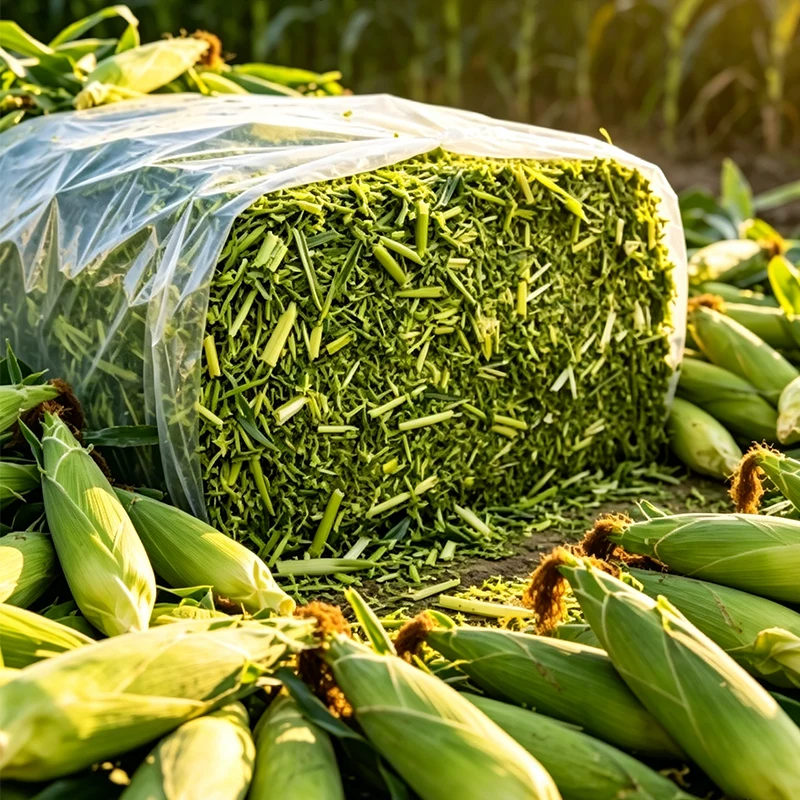
 How Does High Moisture Fresh Corn Silage Improve Modern Livestock Feeding?
High Moisture Fresh Corn Silage has become an essential feed solution for livestock producers who need higher nutritional value, better feed efficiency, and stable animal performance. This article explains how high moisture fresh corn silage works, why it is important, its production advantages, feeding effects, storage considerations, and how farmers can overcome common challenges when using this premium forage resource.
 28 2026-07
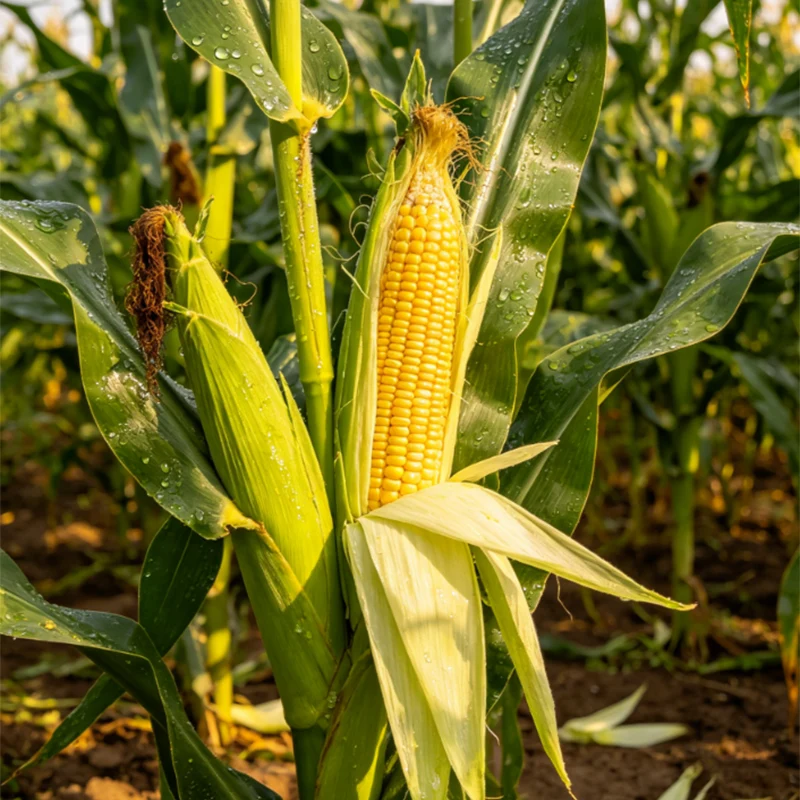
 How Can New Crop Fresh Whole Plant Corn Silage Improve Modern Livestock Feeding Efficiency?
New Crop Fresh Whole Plant Corn Silage has become an essential feed solution for livestock producers seeking higher nutritional value, better feed consistency, and improved animal performance. However, many farmers and feed buyers face challenges such as unstable feed quality, seasonal shortages, storage losses, and difficulties maintaining balanced nutrition throughout the year.
 01 2026-06
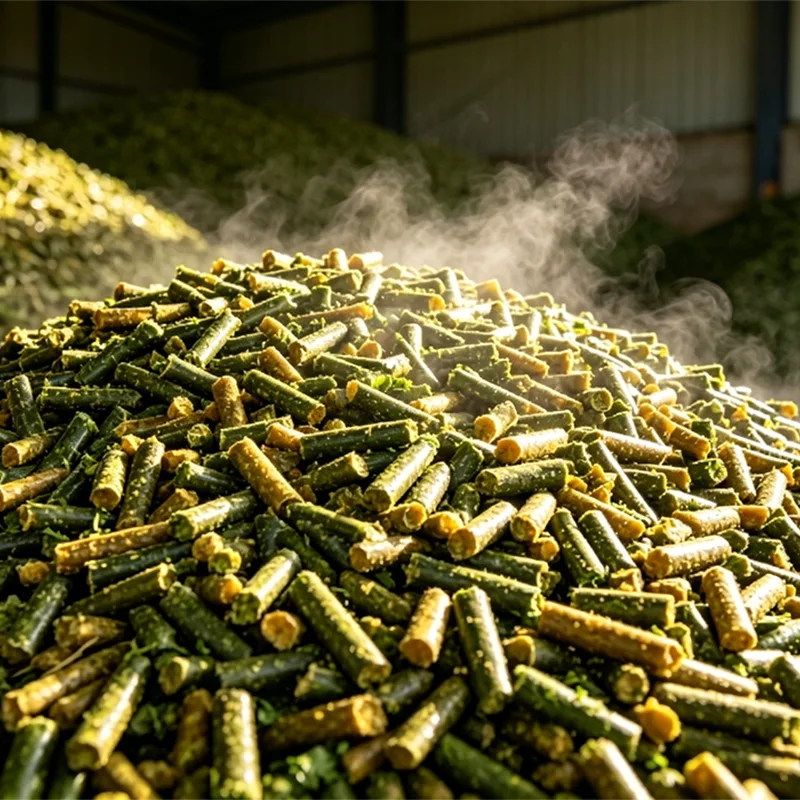
 Why Is Mixed Silage Feed Essential for Modern Livestock Farming?
Mixed Silage Feed has become one of the most effective feeding solutions in modern livestock farming. Farmers across dairy, beef, sheep, and goat industries are increasingly turning to silage-based nutrition systems to improve feed preservation, stabilize nutrient intake, and reduce seasonal feeding pressure.
 28 2026-05
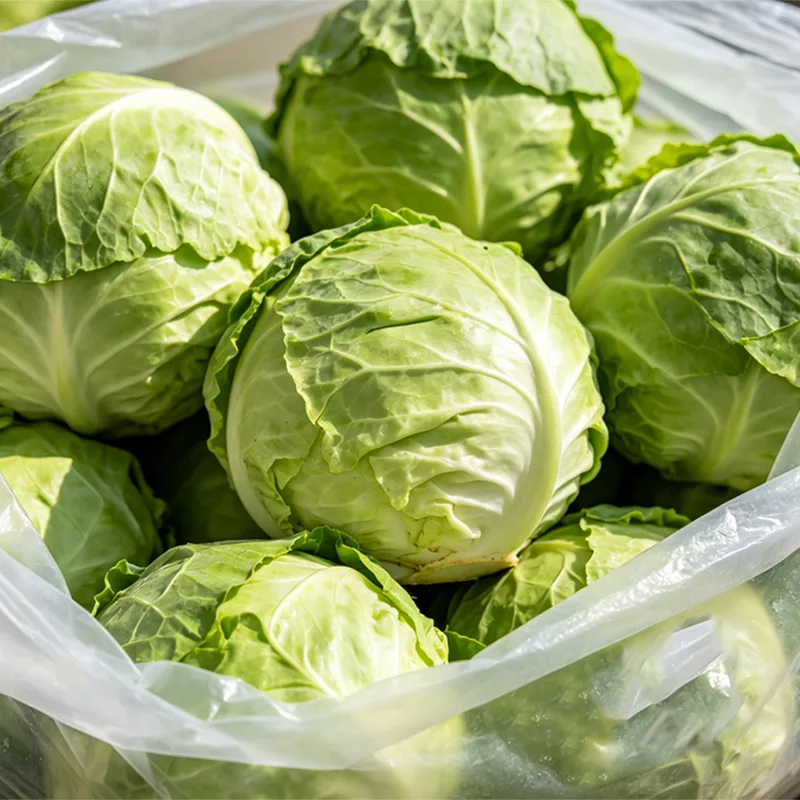
 Is Net Bag Packed Round Cabbage the Key to Better Product Visibility and Faster Turnover?
This article explores how net bag packed round cabbage improves shelf visibility, airflow, and turnover. It includes technical specs, packaging comparisons, and three expert FAQs.
 25 2026-05
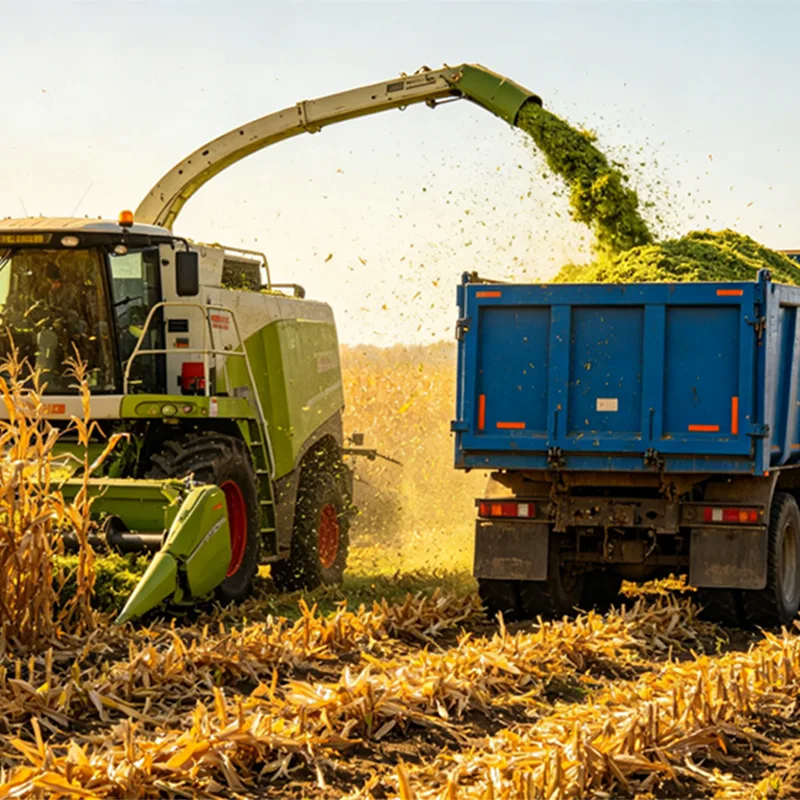
 Why Is Seasonal Corn Silage Essential for Modern Livestock Farming?
Seasonal corn silage has become one of the most valuable forage resources for livestock farms around the world. Farmers rely on it to maintain stable feed supplies, improve cattle performance, preserve nutrients, and lower operational costs during changing seasons.