FAQ
Product and Quality
What is whole-plant corn silage?
What is the optimal dry matter content for whole-plant corn silage?
The optimal dry matter content for whole-plant corn silage is between 30% and 38%. At this range, it ensures proper fermentation, maximizes nutrient preservation, and minimizes spoilage risks.
What is the ideal cutting length for corn silage?
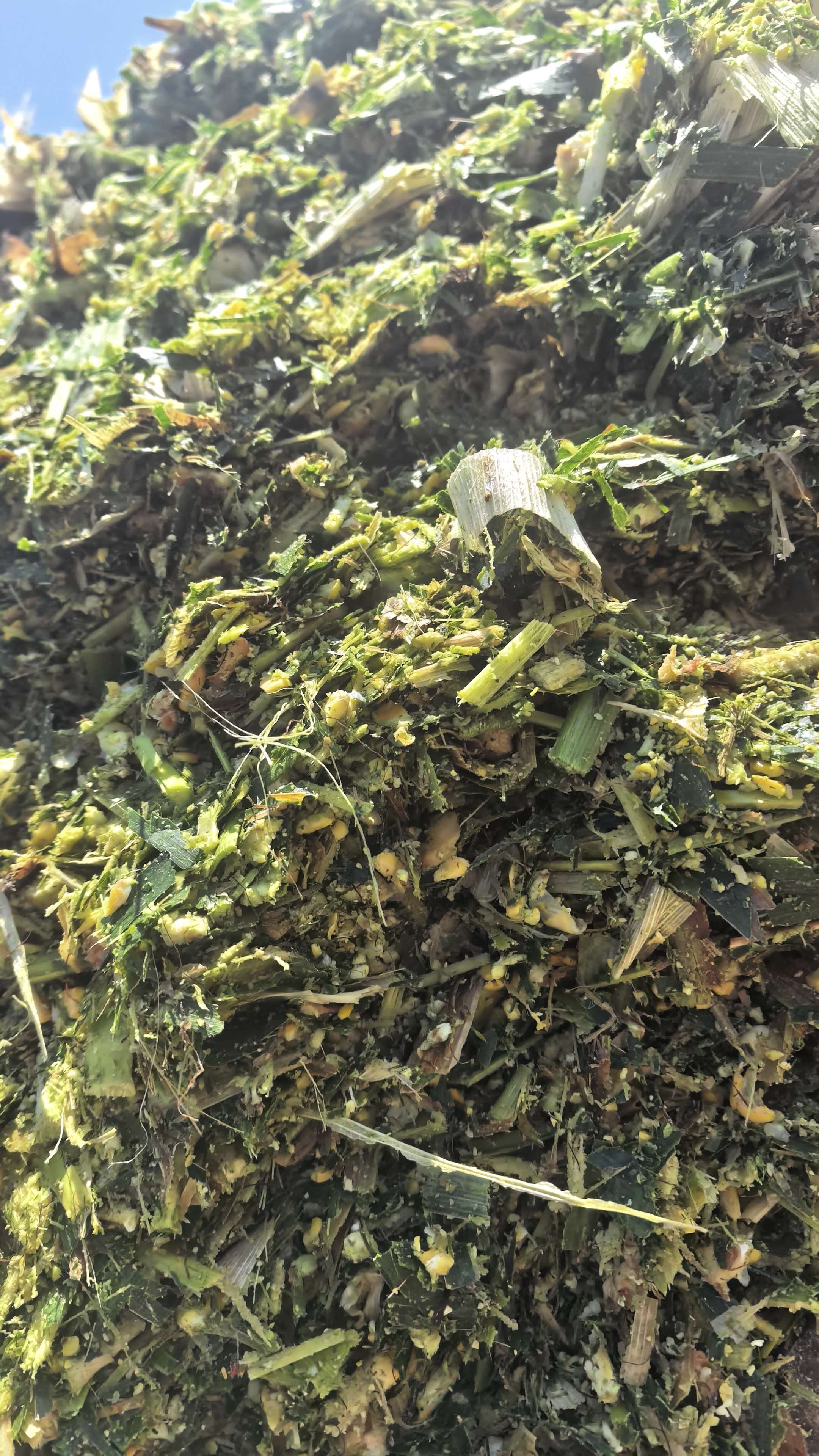
The ideal cutting length for corn silage is typically 1.5 to 2.5 centimeters. This length balances effective packing for fermentation with adequate fiber length for rumen health in dairy and beef cattle.
What is the starch content of your corn silage?
Our corn silage typically contains 25% to 35% starch on a dry matter basis, depending on the harvest timing and corn variety. High starch content provides excellent energy for milk production and weight gain.
What is the crude protein content of your corn silage?
Our corn silage contains approximately 7% to 9% crude protein on a dry matter basis. For customers requiring higher protein levels, we can recommend complementary protein sources or customized growing practices.
Do you provide silage quality analysis reports?
Yes, we provide detailed quality analysis reports for each batch of silage. The report includes dry matter, crude protein, starch, NDF, ADF, pH value, and fermentation profile. All tests are conducted by accredited laboratories.
How do you ensure the fermentation quality of your silage?
We ensure fermentation quality through strict control at every stage: harvesting at optimal moisture, precise chop length, rapid filling and packing, using professional silage inoculants, and maintaining airtight sealing throughout storage.
What is the pH value of your finished silage?
The pH value of our finished corn silage is typically between 3.8 and 4.2. This low pH indicates successful lactic acid fermentation and ensures the silage is stable, safe, and resistant to spoilage.
Do you use any silage additives or inoculants?
Yes, we use professional silage inoculants containing beneficial lactic acid bacteria. These additives promote rapid fermentation, reduce nutrient loss, and improve aerobic stability when the silage is opened.
How long does your silage remain fresh after opening?
Our silage remains fresh for 3 to 5 days after opening when properly managed. We recommend consuming the opened silage promptly and maintaining a clean, smooth face on the silage pile to minimize spoilage.
Can you provide samples for quality testing?
Yes, we can provide samples for quality testing. Sample size and shipping arrangements can be discussed based on your location and testing requirements. Please contact our sales team for sample requests.
What is the NDF content of your silage?
The NDF content of our corn silage ranges from 34% to 45% on a dry matter basis. This provides adequate effective fiber to support rumen function and maintain milk fat percentage in dairy cattle.
Do you offer organic corn silage?
Please contact our sales team to inquire about organic corn silage availability. We work with certified organic farms and can accommodate organic production requirements based on customer demand and advance ordering.
What varieties of corn do you use for silage production?
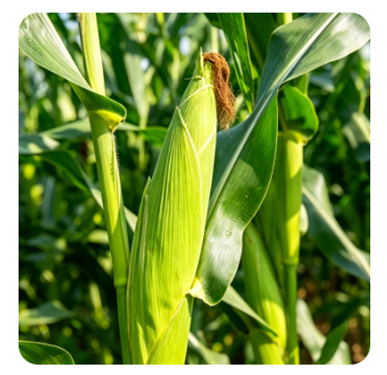
We use high-quality silage-specific corn varieties that are selected for high yield, high starch content, good disease resistance, and excellent fermentation characteristics. Varieties may vary by season and growing conditions.
Is your silage suitable for dairy cows, beef cattle, or sheep?
Our corn silage is suitable for all ruminant animals including dairy cows, beef cattle, sheep, and goats. It provides excellent energy and fiber. For different animal types, we can recommend appropriate feeding rates and complementary feed combinations.
Production Process and Technology
When is the harvest season for whole-plant corn silage?
What is the optimal harvest time for corn silage?
The optimal harvest time is when the corn plant reaches the dent stage, with kernels showing a milk line at one-half to two-thirds of the kernel depth. At this stage, dry matter content is ideal and starch accumulation is maximized.
How do you harvest and process the corn?
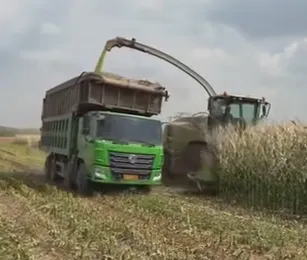
We use advanced CLAAS self-propelled forage harvesters from Germany, equipped with high-performance kernel processors. The corn is cut at the optimal height, chopped to the desired length, and the kernels are cracked by the processor to improve starch digestibility.
What type of harvester do you use?
We use CLAAS self-propelled forage harvesters, a leading German brand known for exceptional quality and reliability. Our harvesters are equipped with advanced kernel processors, automatic chop length adjustment, and yield monitoring systems to ensure consistent quality.
How do you ensure consistent chop length?
We ensure consistent chop length through regular maintenance of harvester knives, proper calibration of equipment, and using harvesters with automatic chop length adjustment features. Operators monitor chop length throughout the harvest process.
Do you use silage bags, bunkers, or bale wrap for storage?
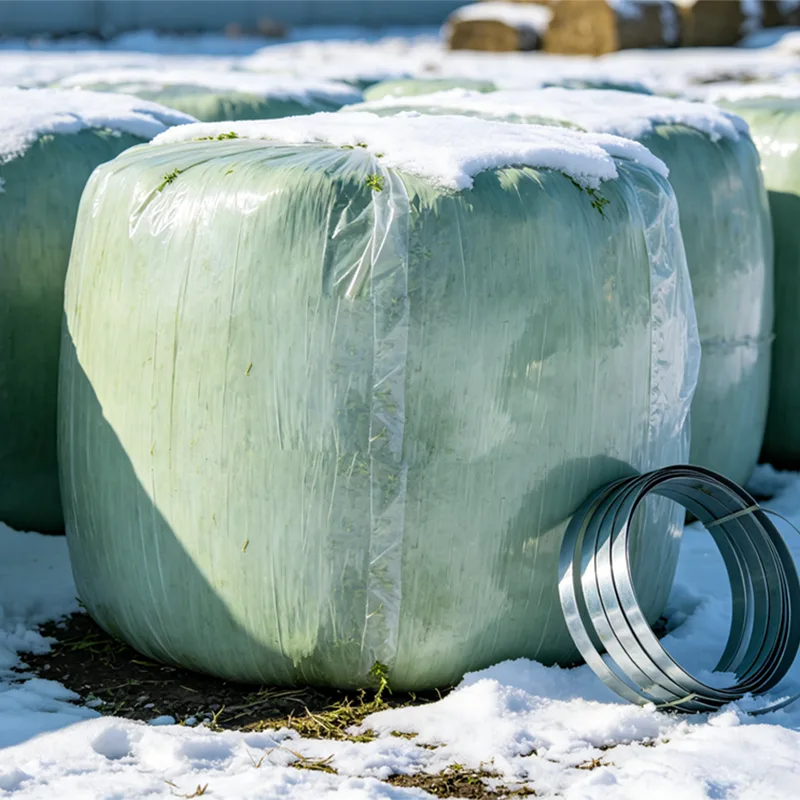
We use multiple storage methods depending on customer requirements and production scale. Options include bunker silos, silage bags, and baled silage with stretch wrap. Each method is carefully managed to ensure proper fermentation and minimal loss.
How long does the fermentation process take?
The primary fermentation process typically takes 2 to 4 weeks. During this time, lactic acid bacteria convert sugars into lactic acid, lowering the pH and preserving the silage. The silage continues to stabilize over the following 6 to 8 weeks.
How do you control temperature during fermentation?
Proper packing density and rapid sealing are key to temperature control. We achieve high packing density by using heavy equipment and layering techniques. Rapid oxygen exclusion prevents excessive heating and preserves nutrients.
What measures do you take to prevent mold and spoilage?
We prevent mold and spoilage through: harvesting at correct moisture, rapid filling and packing, achieving high density, proper sealing, using quality inoculants, and maintaining the silage face during feedout. Regular monitoring helps identify issues early.
Do you have a quality control system in place?
Yes, we have a comprehensive quality control system that covers the entire production process. This includes field management monitoring, harvest timing assessment, processing parameters, storage management, and final product testing before shipment.
Packaging and Logistics
How is your silage packaged?
What are the available package sizes?
Our standard bale size is approximately 1.2 meters in diameter and 1.2 meters in width, weighing 600 to 900 kilograms per bale. Silage bags are available in various capacities. Custom packaging can be discussed for large-volume orders.
Do you offer silage bale wrap packaging?
Yes, we offer silage bale wrap packaging using Orkel balers from Norway, known for their high-density compression technology. Each bale is wrapped with 6 to 8 layers of high-quality stretch film to ensure airtight sealing.
How many layers of stretch film do you use for bale wrap?
We use 6 to 8 layers of stretch film for standard bale wrap. For export shipments or extended storage requirements, we can increase to 8 to 10 layers to provide additional protection against film damage and oxygen infiltration.
How do you ensure the packaging is airtight?
We ensure airtight packaging through: using high-quality stretch film with excellent oxygen barrier properties, applying consistent tension during wrapping, overlapping layers properly, and inspecting each bale for film integrity before storage or shipment.
What is the shelf life of your packaged silage?
Properly wrapped silage bales and sealed silage bags can maintain quality for 12 to 18 months when stored under appropriate conditions. We recommend storing in a cool, dry location away from sharp objects and direct sunlight.
How do you transport silage for export?
For export, silage bales are typically shipped in standard 20-foot or 40-foot containers. Bales are carefully loaded and secured to prevent movement during transit. We work with experienced freight forwarders to ensure proper documentation and customs clearance.
Do you provide shipping to my country?
Yes, we ship to most countries worldwide. Shipping availability depends on the destination country's import regulations for forage products, phytosanitary requirements, and logistics feasibility. Please contact our sales team to discuss shipping options for your location.
What are the shipping documents you provide?
We provide a complete set of shipping documents including commercial invoice, packing list, bill of lading, phytosanitary certificate, quality analysis report, and any other documentation required for customs clearance in the destination country.
Can the silage be shipped in containers?
Yes, silage bales and bagged silage can be shipped in standard shipping containers. We have extensive experience with container loading and ensure proper ventilation considerations when required. Container loading is an excellent option for maintaining product integrity during transit.
Customization and Service
Can you produce silage according to our specifications?
Can you customize the cutting length for us?
Yes, we can adjust the cutting length to meet your specific requirements. Standard cutting lengths range from 1.0 to 2.5 centimeters. Please let us know your preferred length and the type of livestock you are feeding for optimal recommendations.
Can you provide silage with specific nutrient profiles?
Yes, we can work with you to achieve specific nutrient profiles by adjusting harvest timing, corn variety selection, and growing practices. This requires advance planning and coordination. Please discuss your requirements with our technical team.
Do you offer private label or OEM packaging?
Yes, we offer private label and OEM packaging services. We can apply your brand logo, custom labeling, and specific packaging designs to silage bales and bags. Minimum order quantities may apply for custom packaging services.
Do you provide technical support for silage feeding?
We are happy to share our knowledge and experience in silage feeding practices. Our team can provide general feeding recommendations and connect you with local nutritionists or technical resources when available. For specific technical support arrangements, please discuss your requirements with our sales team.
Can you send a technician to our farm for guidance?
Yes, we can arrange for technical staff to visit your farm for on-site guidance. This service is typically provided for large-volume orders or long-term cooperation agreements. Travel arrangements and costs can be discussed on a case-by-case basis.
Company Strength and Qualifications
How many years of experience do you have in silage production?
What is your annual production capacity?
Our annual production capacity varies by season and growing conditions. For specific capacity inquiries and to discuss your volume requirements, please contact our sales team who can provide current availability and production planning information.
Do you have any certifications?
We currently comply with applicable agricultural production standards and quality management practices. While we do not hold specific third-party certifications at this time, we can work with you to meet your certification requirements for bulk orders. Please contact our sales team to discuss your specific needs.
Do you work with any large dairy farms?
Yes, we supply silage to dairy farms and livestock operations of various scales. For specific references or case studies, please contact our sales team who can provide relevant information based on your market and requirements.
Can you provide customer references or testimonials?
Yes, we can provide customer references and testimonials upon request. Please contact our sales team to discuss your needs, and we will share appropriate references that match your market and operational scale.
Do you have a quality control laboratory?
Yes, we have quality control facilities equipped to perform standard silage analysis including dry matter, pH, nutrient composition, and fermentation assessment. We also work with accredited external laboratories for specialized testing as needed.
What is your quality assurance process?
Our quality assurance process includes: field monitoring during growing season, harvest timing assessment, processing parameter control, storage management, fermentation monitoring, and final product testing before shipment. Each batch is traceable to production records.