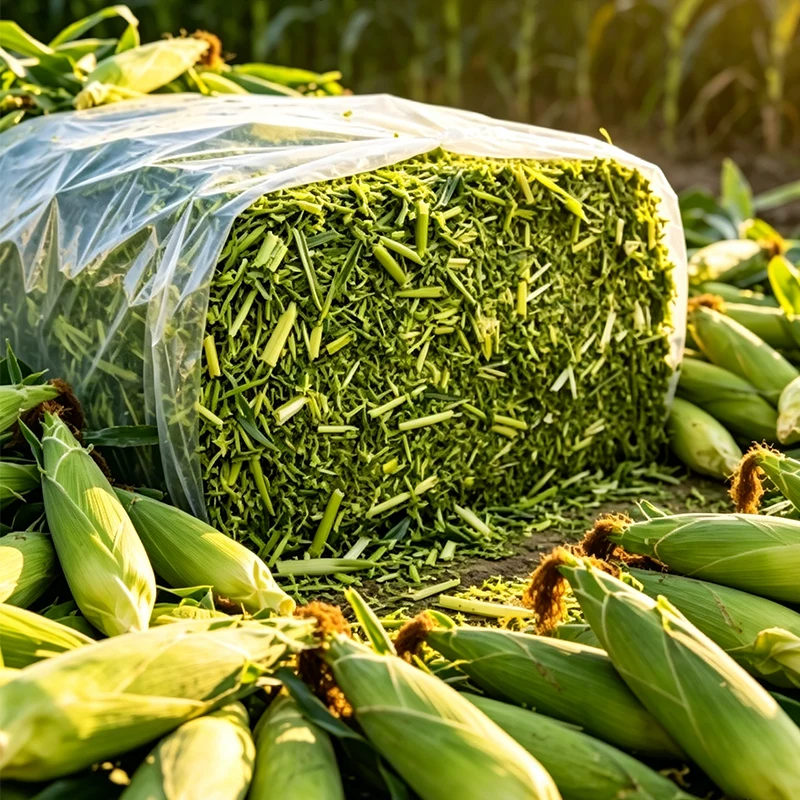
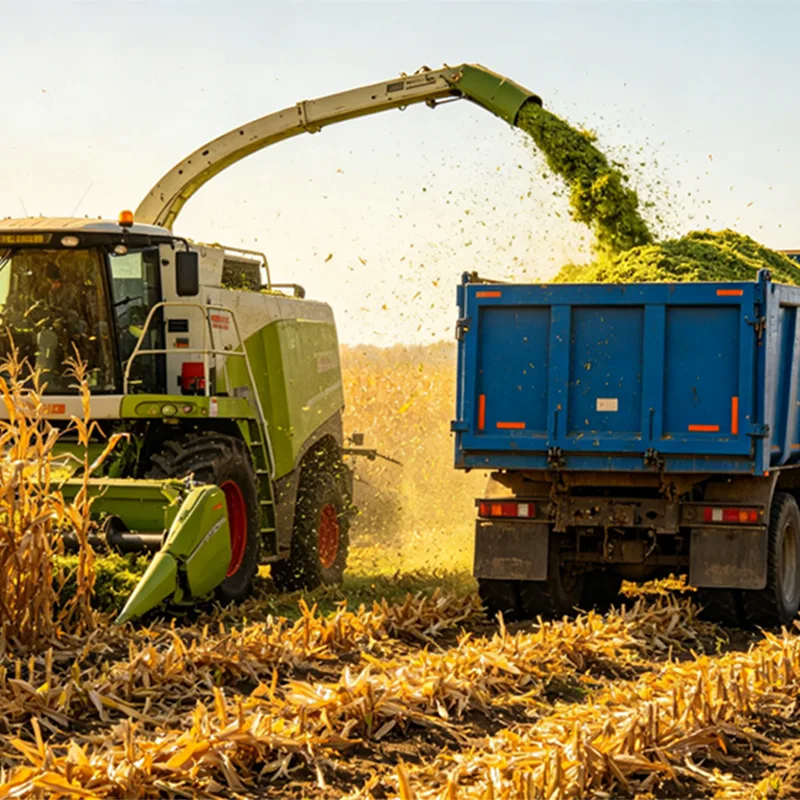
The whole plant corn silage technology is a systematic operation process that uses scientific methods to chop, compact, seal, and anaerobically ferment the entire plant of corn to produce high nutrient and storage resistant feed. It is widely used in the cattle and sheep breeding industry.
The core technical points are as follows:
Timely harvesting
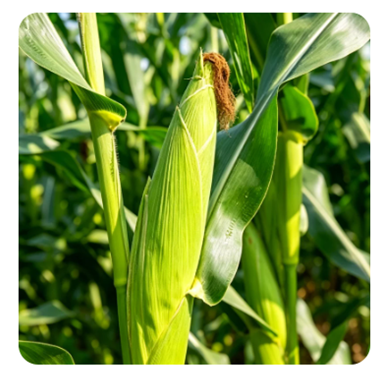
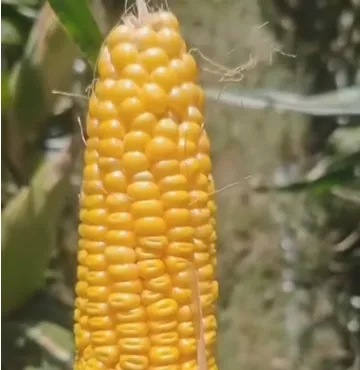
The optimal harvesting period is when the corn kernels are at 1/2 to 2/3 of the milk line (i.e. from late milk ripening to early wax ripening), with a dry matter content between 30% and 35%. Harvesting too much moisture too early can lead to exudation and butyric acid fermentation, while harvesting too late can result in severe fibrosis and decreased digestibility.
Reasonable shredding and grain crushing
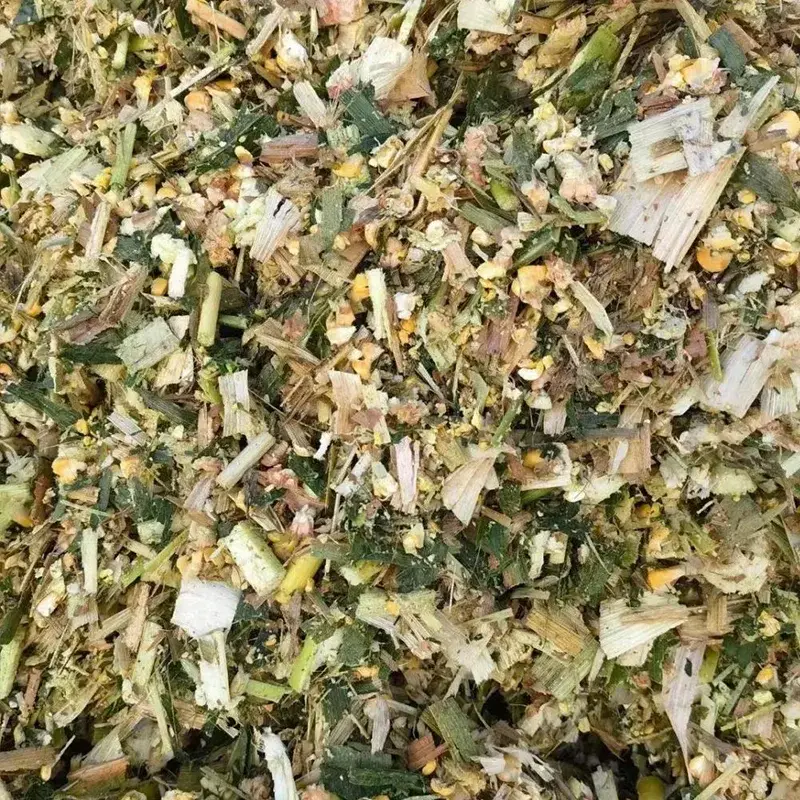
The recommended shredding length is 0.9-1.9 centimeters. If the equipment is equipped with a grain crushing device, it should ensure that the grain crushing rate is above 90%, broken into 4-8 pieces to release starch and improve energy utilization efficiency.
Quick loading and thorough compaction
After harvesting, it is necessary to complete the pit filling within 2-3 days, with a thickness of no more than 20 centimeters per layer. Heavy machinery should be used to repeatedly compact the pit, with a target compaction density of no less than 750 kg/m ³, in order to exhaust air to the maximum extent possible and prevent mold growth.
Strictly sealed and oxygen resistant
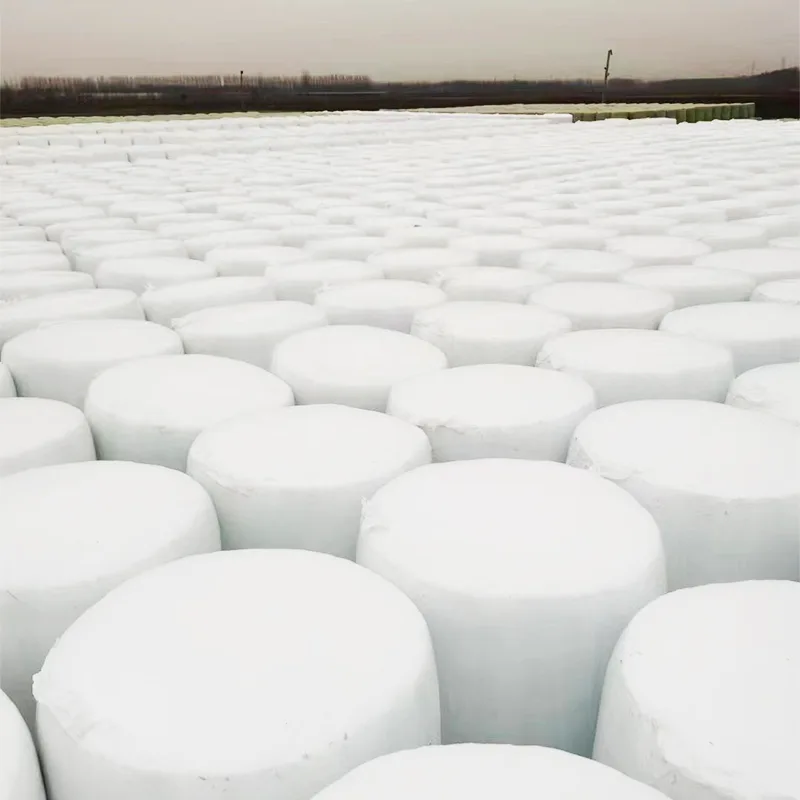
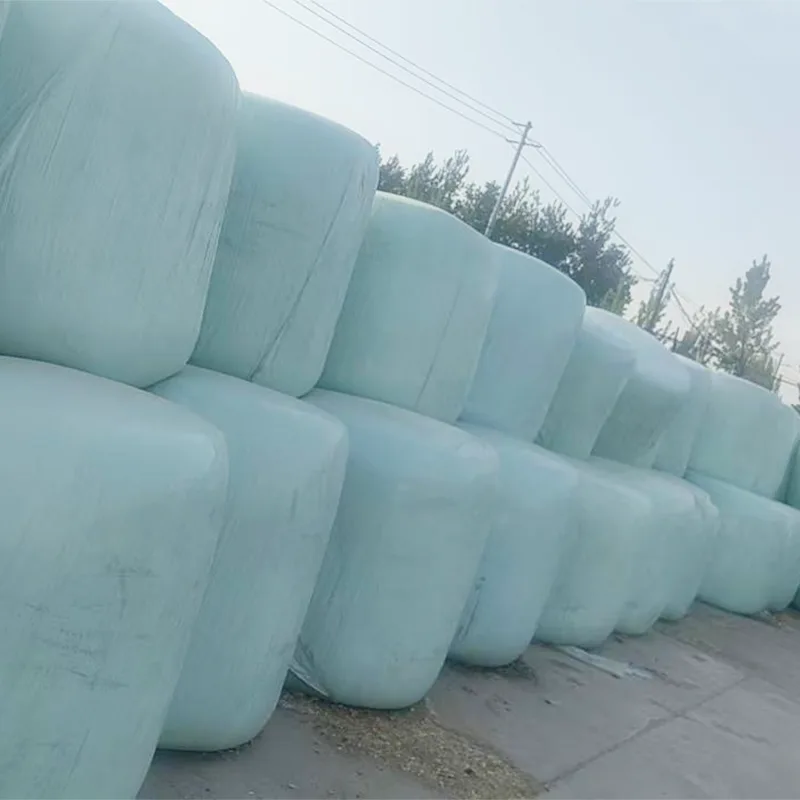
It is recommended to use black and white double-layer plastic film (white on the outside and black on the inside) to cover, with sandbags or tires to press the edges, and an arched top to facilitate drainage, ensuring that the entire fermentation process is in an anaerobic environment and avoiding secondary fermentation and spoilage.
Fermentation Management and Utilization Standards
The fermentation cycle is generally 6-8 weeks, and the pH value should be lowered to below 4.2.
After opening the cellar, the daily material thickness should not be less than 30 centimeters (in cold seasons) or 45-60 centimeters (in hot seasons), and the material surface should be kept flat. Cover it immediately after each collection to prevent mold growth.
Quality evaluation standards
High quality silage should have:
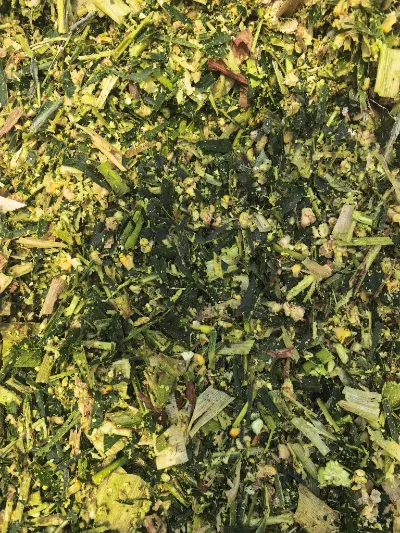
Color: yellow green
Odor: Sour or fruity aroma
Structure: Clearly visible stem and leaf morphology
Laboratory indicators: pH<4.2, starch>30% NDF < 45%、 High lactate content and very little butyric acid
Suggested use of additives
Lactic acid bacteria or enzyme preparations can be added to promote rapid production of lactic acid and inhibit the proliferation of harmful bacteria, especially in rainy seasons or high humidity environments, which can significantly improve the success rate of ensiling.
We use cookies to offer you a better browsing experience, analyze site traffic and personalize content. By using this site, you agree to our use of cookies. Privacy Policy