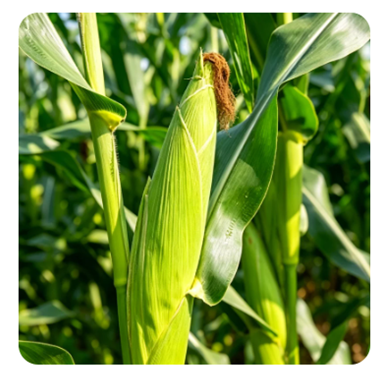
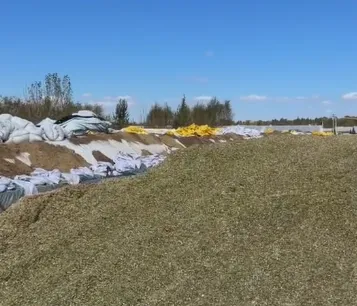
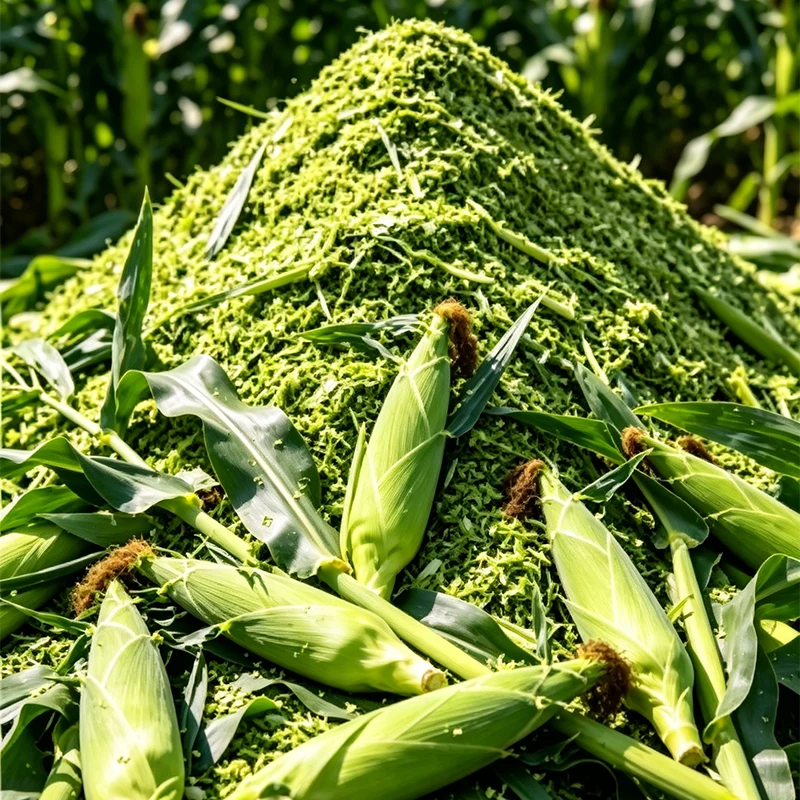
The production process of whole plant corn silage includes seven key steps: harvesting, chopping, transportation, filling, compaction, sealing, and fermentation, each of which directly affects the quality of the final feed.
1. Timely harvesting
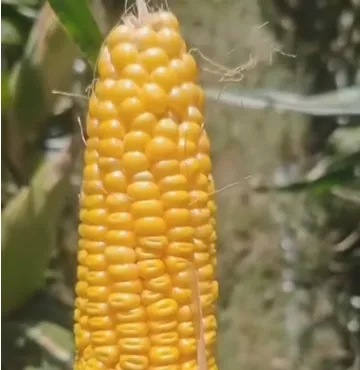
The optimal harvesting period for corn kernels is from the late stage of milk ripening to the early stage of wax ripening. At this time, the milk line is located at 1/2 to 2/3 of the kernel, with a dry matter content between 30% and 35% and a moisture control of 65% to 70%. It can be determined by the "hand holding method": hold the raw material tightly for 1 minute, release it, and the grass ball slowly disperses without any water droplets on the hand, which is the appropriate moisture content.
2. Chop processing
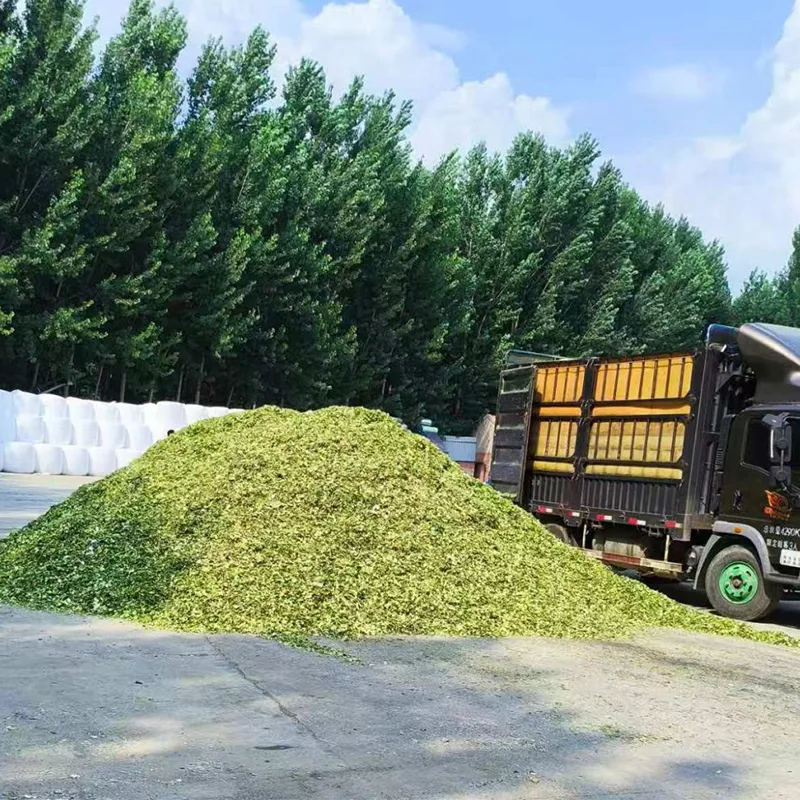
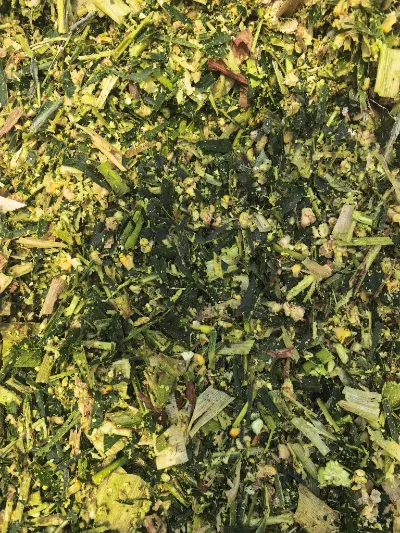
Use a silage harvester to chop the entire corn plant, with a recommended cutting length of 1.5-2 centimeters. If the equipment is equipped with a grain crushing device, ensure that the corn grains are fully crushed (crushing rate>90%) to release starch and improve animal digestion and absorption rate.
3. Rapid transportation
The chopped raw materials should be immediately loaded onto trucks and transported to silage cellars to avoid prolonged exposure in the field, prevent nutrient loss, and prevent premature fermentation. The entire harvesting to cellar process should be completed within 24-48 hours.
4. Layered loading
After the raw materials arrive, they should be quickly unloaded into the silage silo. The thickness of each layer of material should be controlled at around 30 centimeters and evenly spread to ensure consistent compaction effect in the future.
5. Fully compact
Use a tractor or specialized compaction machinery to repeatedly compact each layer of raw materials, paying special attention to the compaction of the cellar walls and corners. The target compaction density should reach 700-800 kg/m ³ to maximize air discharge and create an anaerobic environment.
6. Strictly seal
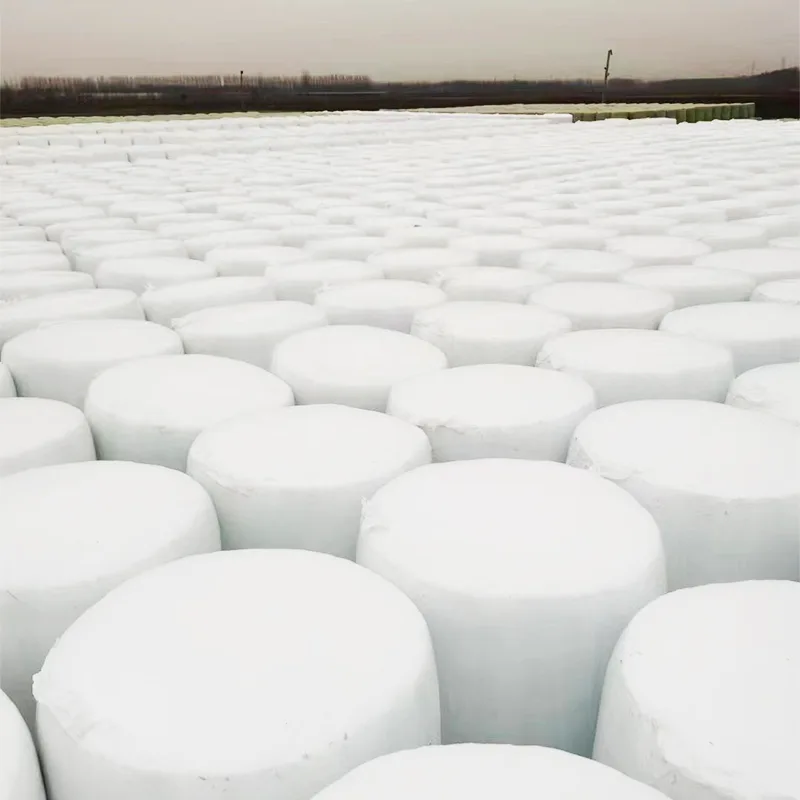
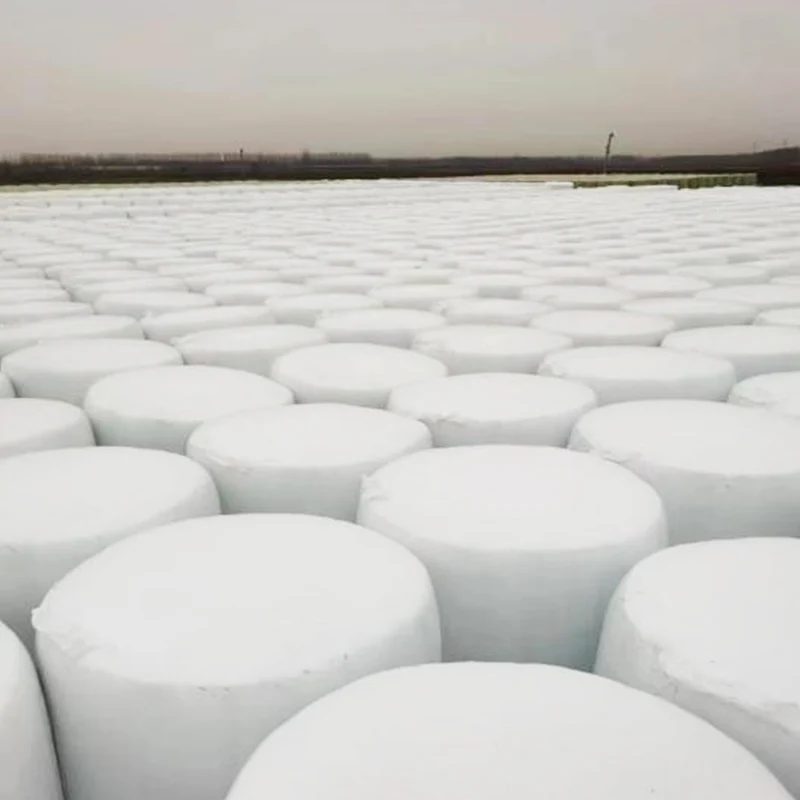
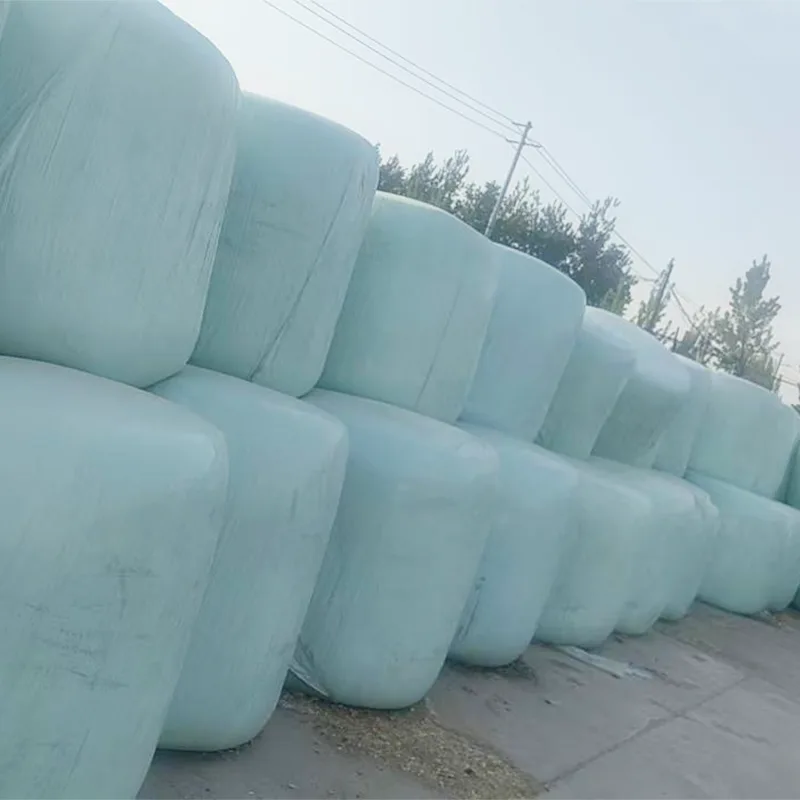
After filling to a height of 0.5-1 meters above the outlet of the cellar, immediately cover it with black and white double-layer plastic film (black inside and white outside), press the edges tightly with tires, sandbags, or soil blocks, and arch the top to prevent water accumulation. Within 7-10 days after sealing, the color of the feed changes from green to yellow green, emitting a sour aroma, indicating successful fermentation dominated by lactic acid bacteria.
7. Fermentation and Storage
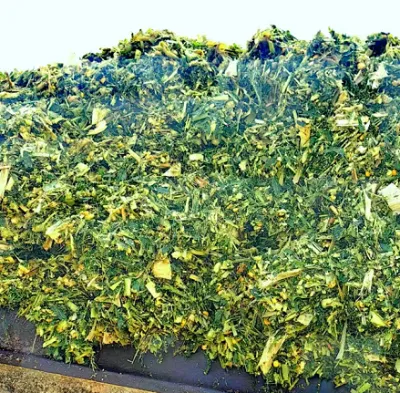
After natural fermentation under anaerobic conditions for 45-60 days, the cellar can be opened for use. High quality silage is yellow green in color, soft in texture, with a sour aroma and clear stem and leaf structure; If it turns black, has a moldy smell, or clumps, it has spoiled and cannot be fed.
We use cookies to offer you a better browsing experience, analyze site traffic and personalize content. By using this site, you agree to our use of cookies. Privacy Policy