Why Is Fresh Whole Plant Corn Silage Essential for Modern Livestock Farming?
Fresh Whole Plant Corn Silage has become one of the most valuable feed solutions for dairy farms, beef cattle operations, sheep farms, and large-scale animal husbandry businesses. From improving feed efficiency to reducing nutrition loss, it offers farmers a practical and economical way to maintain healthy livestock and stable production performance throughout the year.
Article Summary
This comprehensive guide explains everything livestock producers need to know about Fresh Whole Plant Corn Silage. You will learn how it is produced, why it is superior to many traditional feed materials, how it affects milk and meat quality, proper storage methods, common mistakes to avoid, and how to select reliable suppliers. The article also explores nutritional composition, economic advantages, feeding recommendations, and practical applications for modern farming systems.
Table of Contents
- 1. What Is Fresh Whole Plant Corn Silage?
- 2. Why Is It Important for Livestock?
- 3. Nutritional Value and Composition
- 4. Main Benefits for Farmers
- 5. How Is Corn Silage Produced?
- 6. Best Harvesting Stage
- 7. Proper Storage Techniques
- 8. Common Mistakes to Avoid
- 9. Advantages for Dairy Farms
- 10. Benefits for Beef Cattle
- 11. Economic Value for Farms
- 12. Corn Silage vs Traditional Feed
- 13. How to Choose High-Quality Silage
- 14. Why Supplier Reliability Matters
- 15. Future Trends in Silage Production
- 16. Frequently Asked Questions
- 17. Conclusion
1. What Is Fresh Whole Plant Corn Silage?
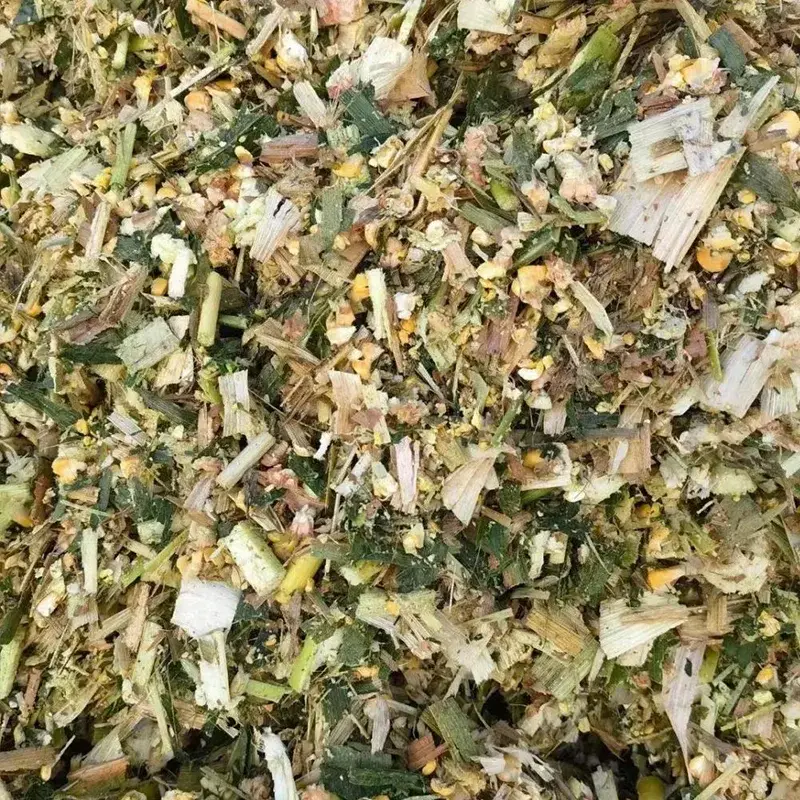
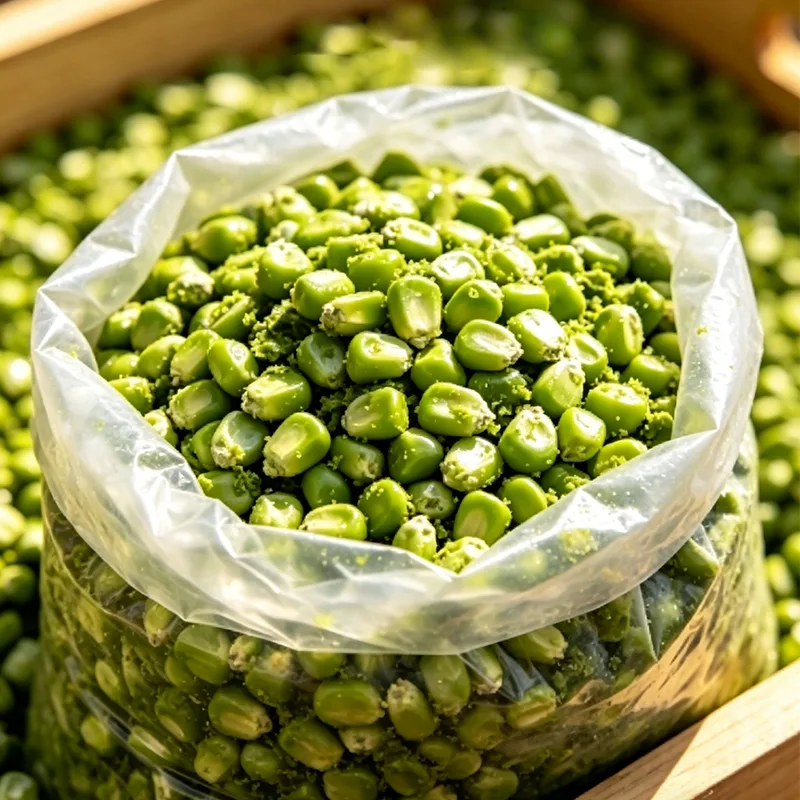
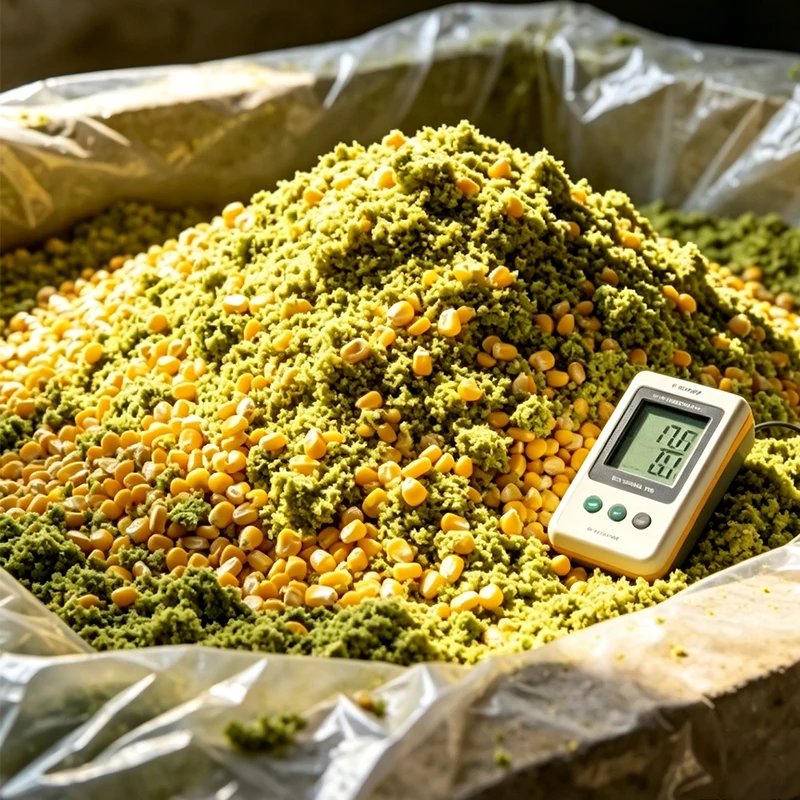
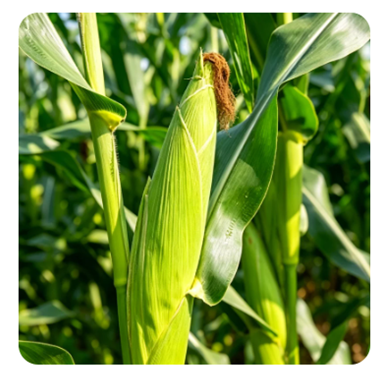
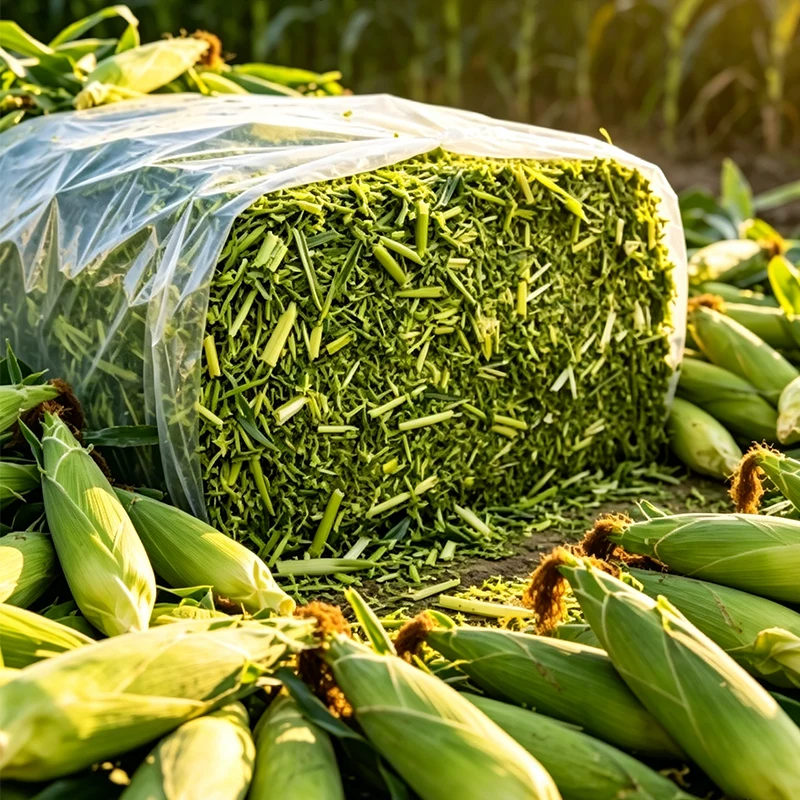
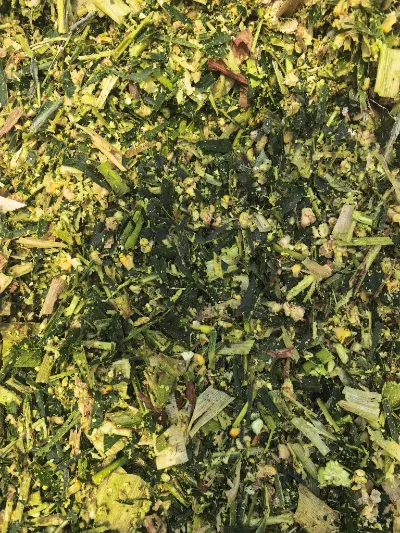
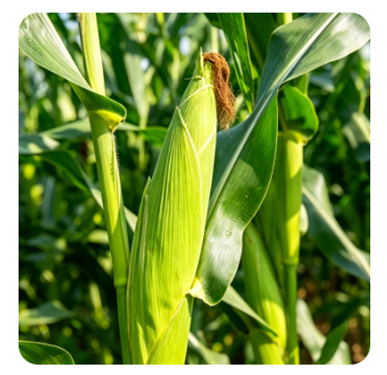
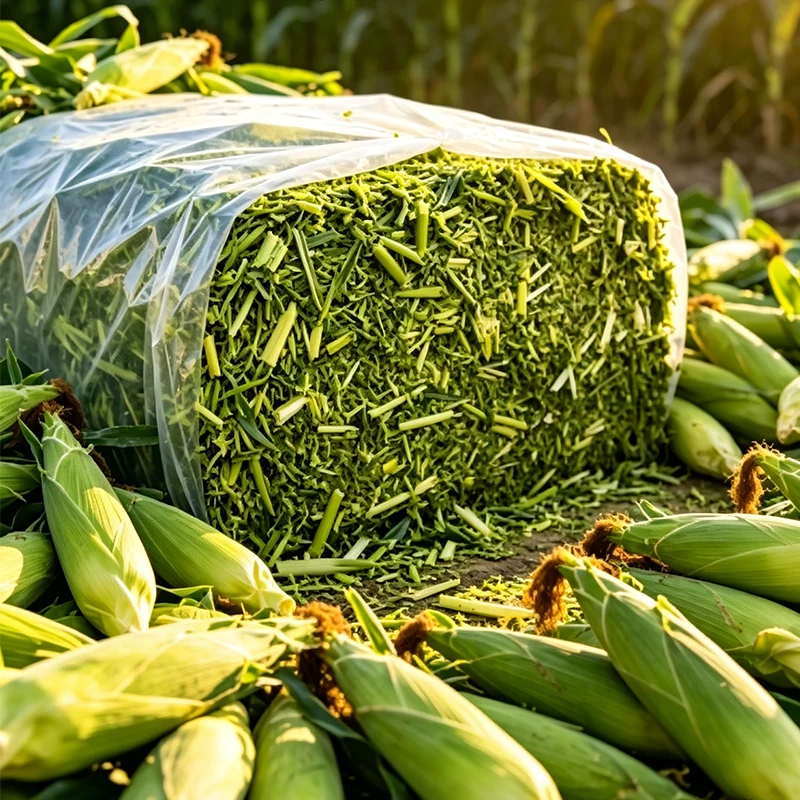
Fresh Whole Plant Corn Silage refers to a fermented feed material made from the entire corn plant, including stalks, leaves, husks, and kernels. The whole crop is harvested at the optimal moisture level, chopped into small pieces, compacted tightly, and stored in anaerobic conditions to encourage natural fermentation.
Unlike dry feed ingredients, corn silage preserves valuable nutrients while maintaining excellent palatability for livestock. Because the entire plant is utilized, farmers achieve better feed efficiency and lower waste levels.
| Component | Function |
|---|---|
| Corn Kernels | Provide starch and energy |
| Leaves | Contain digestible fiber |
| Stalks | Support rumen function |
| Fermentation Acids | Improve preservation and taste |
2. Why Is It Important for Livestock?
Livestock productivity depends heavily on feed quality. Animals require balanced nutrition to support growth, milk production, reproduction, and immune health. Fresh Whole Plant Corn Silage helps farmers achieve these goals efficiently.
The fermentation process increases digestibility and improves nutrient availability. As a result, cattle consume more feed voluntarily and convert nutrients more effectively into milk or meat.
- Supports healthy rumen activity
- Provides stable energy supply
- Enhances feed intake
- Reduces seasonal feed shortages
- Improves overall herd performance
Many professional farms now rely on silage as a foundation of their feeding programs because it offers consistency and long-term storage capability.
3. Nutritional Value and Composition
One of the greatest strengths of Fresh Whole Plant Corn Silage is its balanced nutritional profile. It combines energy, fiber, moisture, vitamins, and moderate protein levels in one feed source.
Typical Nutritional Composition
- Dry Matter: 30%–38%
- Crude Protein: 7%–9%
- Starch: 25%–35%
- Neutral Detergent Fiber: 35%–50%
- Digestible Energy: High
- Moisture Content: Balanced for fermentation
The exact composition depends on harvesting timing, hybrid variety, growing conditions, and storage quality. Well-managed silage can significantly improve feeding efficiency across different livestock categories.
4. Main Benefits for Farmers
Farmers constantly face challenges such as rising feed costs, unstable weather conditions, and fluctuating livestock prices. Fresh Whole Plant Corn Silage helps reduce operational pressure in several ways.
Lower Feed Costs
Using the whole plant maximizes resource utilization and lowers dependence on expensive commercial feed concentrates.
Year-Round Availability
Silage can be stored for long periods, ensuring feed security during winter or drought seasons.
Improved Animal Performance
High digestibility contributes to better weight gain and milk yield.
Reduced Feed Waste
Animals generally find silage highly palatable, resulting in less leftover feed.
5. How Is Corn Silage Produced?
Producing high-quality silage requires careful management from planting to storage. Every step directly affects nutritional preservation and fermentation quality.
- Select high-yield corn hybrids suitable for silage production
- Monitor crop maturity closely
- Harvest at optimal moisture content
- Chop evenly to appropriate particle size
- Compact thoroughly to eliminate oxygen
- Seal storage areas immediately
- Allow proper fermentation time
Fermentation usually takes several weeks. During this process, beneficial bacteria convert sugars into organic acids, stabilizing the feed and preventing spoilage.
6. Best Harvesting Stage
Harvest timing is one of the most critical factors in silage quality. If harvested too early, moisture becomes excessive and nutrient density decreases. If harvested too late, fiber digestibility drops significantly.
The ideal harvesting stage generally occurs when corn kernels reach the half-milk line to two-thirds milk line stage.
| Harvest Stage | Result |
|---|---|
| Too Early | Low starch, excessive moisture |
| Optimal Stage | Balanced nutrients and digestibility |
| Too Late | Hard kernels and lower digestibility |
7. Proper Storage Techniques
Even excellent silage material can lose quality if storage management is poor. Oxygen exposure is the primary enemy of good fermentation.
Common storage systems include:
- Bunker silos
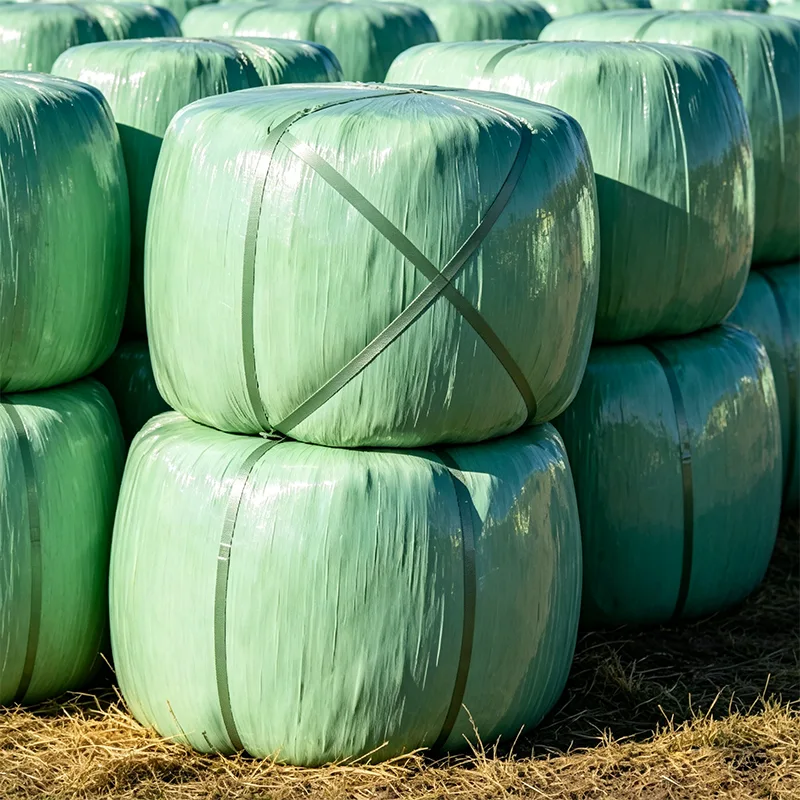
- Silage bags
- Silage pits
- Tower silos
Important storage recommendations:
- Seal quickly after filling
- Use strong plastic film covers
- Prevent water infiltration
- Maintain tight compaction
- Remove spoiled surface layers before feeding
Good storage management minimizes nutrient losses and mold growth.
8. Common Mistakes to Avoid
Many farmers experience silage problems due to avoidable mistakes. Understanding these risks can help improve feed quality significantly.
Frequent Problems
- Harvesting at incorrect moisture levels
- Poor chopping consistency
- Insufficient compaction
- Delayed sealing
- Improper feed-out practices
- Allowing oxygen penetration
These issues can lead to heating, mold contamination, nutrient loss, and reduced animal performance.
9. Advantages for Dairy Farms
Dairy cows require high-energy diets to sustain milk production. Fresh Whole Plant Corn Silage is widely recognized as one of the most effective forage sources for dairy nutrition.
Benefits for dairy operations include:
- Higher milk yield
- Improved milk fat content
- Consistent feed intake
- Better cow body condition
- Enhanced rumen stability
Because silage provides both energy and fiber, it creates a balanced feeding foundation for lactating cows.
10. Benefits for Beef Cattle
Beef cattle producers also benefit greatly from silage feeding systems. Properly fermented corn silage supports rapid growth and efficient weight gain.
Compared with low-quality roughage, silage supplies more digestible nutrients and improves feed conversion efficiency.
Growth Performance
Animals gain weight more efficiently due to higher energy availability.
Feeding Efficiency
Reduced feed waste helps improve farm profitability.
11. Economic Value for Farms
Feed costs represent a major percentage of livestock production expenses. Fresh Whole Plant Corn Silage offers substantial economic advantages.
Farmers can lower purchased feed dependence while increasing productivity per animal. Because silage uses the entire plant, crop utilization efficiency also improves dramatically.
| Economic Factor | Impact |
|---|---|
| Lower Concentrate Usage | Reduced feed expenses |
| Improved Animal Productivity | Higher income potential |
| Reduced Waste | Better resource efficiency |
12. Corn Silage vs Traditional Feed
Traditional dry feeds often lack the moisture and fermentation benefits that silage provides.
| Feature | Corn Silage | Traditional Hay |
|---|---|---|
| Digestibility | High | Moderate |
| Storage Stability | Excellent | Weather Sensitive |
| Energy Density | Higher | Lower |
| Palatability | Excellent | Variable |
13. How to Choose High-Quality Silage
Not all silage products offer the same quality. Buyers should evaluate several important characteristics before purchasing.
- Fresh natural smell without mold odor
- Uniform chopping size
- Good color retention
- Absence of visible spoilage
- Balanced moisture content
- Reliable laboratory testing data
Premium silage suppliers maintain strict harvesting and storage standards to ensure consistent nutritional quality.
14. Why Supplier Reliability Matters
Choosing a trusted supplier is essential for long-term livestock feeding success. A professional silage producer can provide stable quality, technical guidance, and reliable delivery schedules.
Hebei Yiman Agricultural Technology Co., Ltd. focuses on high-quality agricultural feed solutions and understands the importance of nutritional consistency, fermentation quality, and supply chain reliability for livestock farms worldwide.
Professional suppliers also invest in advanced harvesting equipment, moisture control systems, and modern storage technologies to preserve feed value.
15. Future Trends in Silage Production
As global livestock production becomes more technology-driven, silage management is also evolving rapidly.
Future industry developments may include:
- Precision harvesting systems
- Improved fermentation inoculants
- Smart storage monitoring
- Higher digestibility corn hybrids
- Environmentally sustainable feed practices
Modern farms are increasingly seeking feed solutions that improve productivity while supporting long-term sustainability goals.
16. Frequently Asked Questions
How long can Fresh Whole Plant Corn Silage be stored?
When stored properly in airtight conditions, silage can maintain good quality for many months or even over a year.
Can silage replace all feed sources?
Silage is an excellent forage base, but balanced rations may still require additional protein, minerals, and supplements depending on livestock needs.
What animals can consume corn silage?
Dairy cattle, beef cattle, sheep, goats, and some other ruminants commonly consume corn silage.
What causes silage spoilage?
Air exposure, poor compaction, excessive moisture, and damaged storage covers are common causes of spoilage.
Why is fermentation important?
Fermentation preserves nutrients, improves palatability, and prevents harmful microbial growth.
17. Conclusion
Fresh Whole Plant Corn Silage has become a cornerstone of efficient livestock feeding systems around the world. Its ability to preserve nutrients, improve digestibility, reduce feed waste, and support consistent animal performance makes it one of the most valuable forage solutions available today.
For dairy farms, beef operations, and modern livestock producers seeking dependable feed quality and long-term profitability, investing in premium silage production and sourcing strategies can create significant advantages.
Hebei Yiman Agricultural Technology Co., Ltd. is committed to providing high-quality agricultural feed products designed to support healthier livestock, improved farm productivity, and stable feed supply solutions for global customers.
Contact us today to learn more about customized silage solutions for your farming business.
Related News
- How Can China High Energy Mixed Silage Feed Cut Farming Costs and Boost Livestock Growth?
- How Does High Moisture Fresh Corn Silage Improve Modern Livestock Feeding?
- How Can New Crop Fresh Whole Plant Corn Silage Improve Modern Livestock Feeding Efficiency?
- Why Is Mixed Silage Feed Essential for Modern Livestock Farming?
- Is Net Bag Packed Round Cabbage the Key to Better Product Visibility and Faster Turnover?
- Why Is Seasonal Corn Silage Essential for Modern Livestock Farming?
Leave me a message