Why Does Baled Whole Plant Corn Silage Matter for Modern Livestock Feeding Efficiency?
Baled Whole Plant Corn Silage has become one of the most widely adopted forage preservation methods in modern livestock farming systems. As feed costs continue to fluctuate and dairy and beef producers face increasing pressure to maximize productivity, this forage solution offers a stable, nutrient-rich, and highly digestible feed source. By harvesting the entire corn plant at the optimal stage and preserving it through anaerobic fermentation in bale form, farmers can significantly reduce feed losses, improve storage flexibility, and ensure year-round feed availability.
This article provides a complete breakdown of Baled Whole Plant Corn Silage, including how it is produced, its nutritional profile, key benefits, storage techniques, feeding guidelines, common challenges, and solutions to improve silage quality. It also highlights practical insights for livestock producers aiming to improve milk yield, weight gain efficiency, and overall herd health while maintaining cost control.
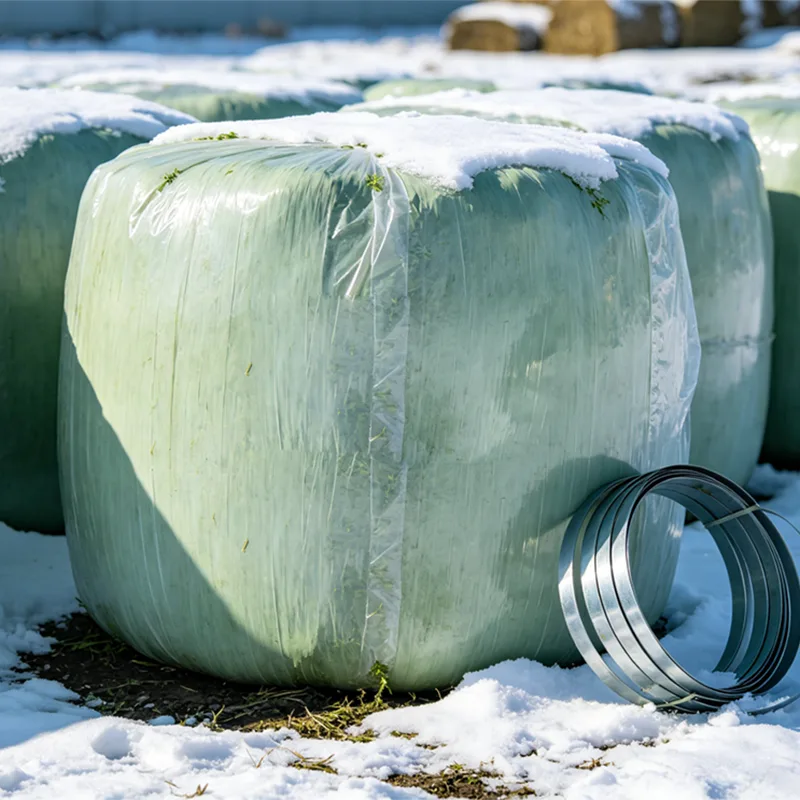
Table of Contents
- 1. What Is Baled Whole Plant Corn Silage?
- 2. Production Process Explained Step by Step
- 3. Nutritional Composition and Analysis
- 4. Key Benefits for Livestock Performance
- 5. Common Pain Points and Feeding Challenges
- 6. Storage and Preservation Best Practices
- 7. How to Evaluate Silage Quality
- 8. Feeding Guidelines for Dairy and Beef Cattle
- 9. Cost Efficiency Comparison
- 10. Common Mistakes to Avoid
- 11. Frequently Asked Questions
- Conclusion
1. What Is Baled Whole Plant Corn Silage?
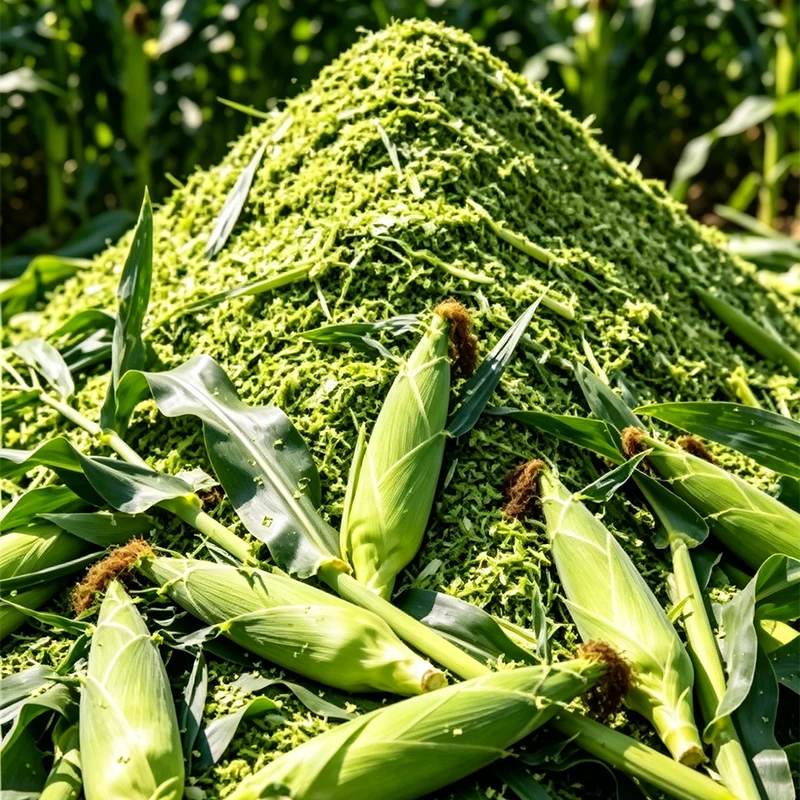
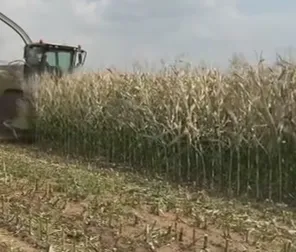
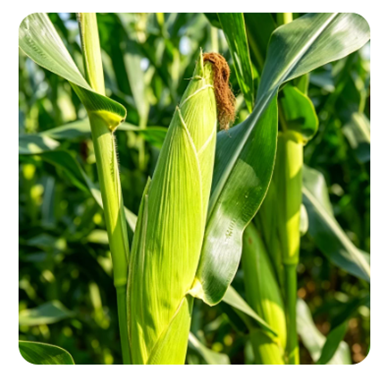
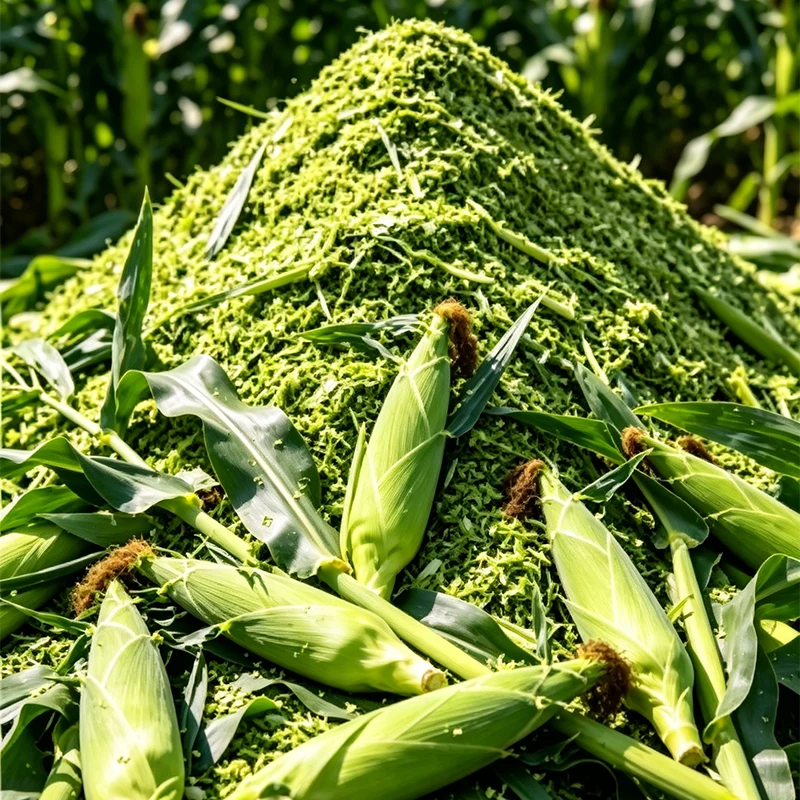
Baled Whole Plant Corn Silage refers to a forage preservation technique where the entire corn plant—including stalks, leaves, husks, and ears—is harvested at the ideal moisture stage and compacted into dense round or square bales. These bales are then tightly wrapped with plastic film to create an oxygen-free environment that promotes natural fermentation.
Unlike traditional chopped bunker silage, baled corn silage provides greater flexibility in handling, transportation, and storage. It is particularly beneficial for medium and small-scale farms that lack large silage pits or require distributed feeding systems.
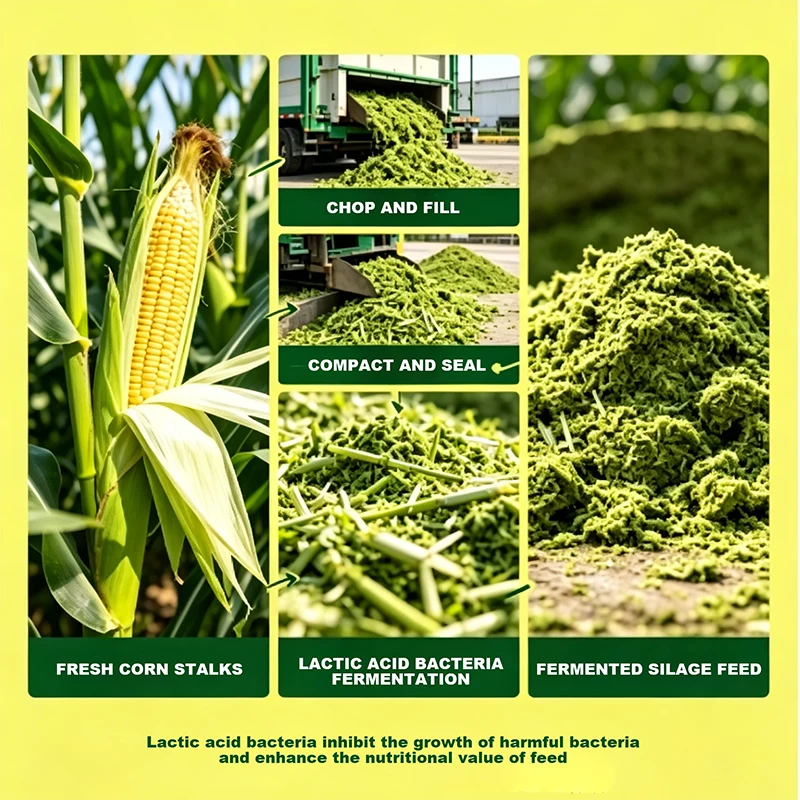
The fermentation process converts plant sugars into organic acids, primarily lactic acid, which preserves the forage and enhances digestibility over time. When properly produced, this silage becomes a highly palatable and energy-rich feed for dairy cows, beef cattle, sheep, and goats.
2. Production Process Explained Step by Step
The quality of Baled Whole Plant Corn Silage depends heavily on harvesting timing, moisture control, and wrapping technique. Below is a detailed breakdown of the production workflow:
- 1. Harvesting Stage Selection: Corn is typically harvested at 60–70% moisture when kernels are in the half to three-quarter milk line stage.
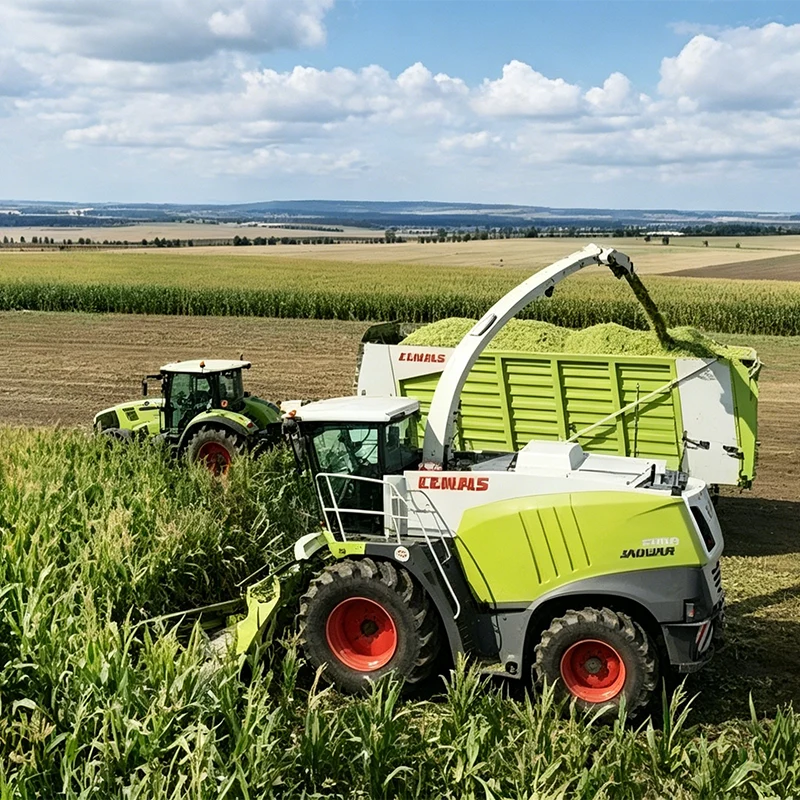
- 2. Whole Plant Cutting: The entire plant is chopped into uniform lengths (usually 1–3 cm) for better compaction.
- 3. Baling: The chopped material is compressed into dense bales using specialized balers.
- 4. Wrapping: Multiple layers of oxygen-barrier film are applied to seal the bale.
- 5. Fermentation: Bales are stored for 30–60 days to complete anaerobic fermentation.
Each step directly affects nutrient retention, fermentation quality, and final feed performance. Improper moisture or delayed wrapping can lead to mold growth, nutrient loss, and reduced palatability.
3. Nutritional Composition and Analysis
One of the main advantages of Baled Whole Plant Corn Silage is its balanced energy profile. It provides a combination of fiber, starch, and digestible carbohydrates that support rumen health and productivity.
| Component | Typical Range | Function |
|---|---|---|
| Dry Matter (DM) | 30% – 40% | Determines storage stability and intake efficiency |
| Crude Protein | 6% – 9% | Supports muscle growth and milk production |
| NDF (Fiber) | 35% – 50% | Improves rumen function and chewing activity |
| Starch | 25% – 35% | Main energy source for livestock |
| Energy (NEL) | 1.4 – 1.7 Mcal/kg | Supports milk yield and weight gain |
4. Key Benefits for Livestock Performance
Baled Whole Plant Corn Silage delivers several advantages that directly influence farm profitability and livestock productivity.
- High Energy Feed Source: Provides consistent energy for dairy cows and beef cattle.
- Improved Milk Yield: Supports higher lactation performance due to balanced starch content.
- Better Weight Gain: Enhances feed conversion efficiency in beef production.
- Reduced Feed Waste: Wrapped bales minimize spoilage compared to open storage systems.
- Flexible Storage: Can be stored outdoors without requiring silage pits.
These benefits make it an essential feed component in both intensive and semi-intensive livestock systems.
5. Common Pain Points and Feeding Challenges
Despite its advantages, improper handling of Baled Whole Plant Corn Silage can lead to several issues that affect feed quality and livestock health.
- Mold Growth: Caused by poor sealing or punctured film.
- Butyric Fermentation: Results from overly wet material at harvest.
- Nutrient Loss: Exposure to oxygen reduces energy content.
- Inconsistent Dry Matter: Leads to unstable feed intake in animals.
Farmers often face challenges in maintaining consistency across batches, especially during seasonal weather fluctuations.
6. Storage and Preservation Best Practices
Proper storage is critical to maintaining silage quality over time. The goal is to eliminate oxygen exposure and maintain stable fermentation.
- Store bales on clean, dry, and well-drained surfaces.
- Avoid sharp objects that can puncture wrapping film.
- Keep bales away from direct sunlight when possible.
- Inspect regularly for damage or leakage.
High-quality wrapping materials significantly reduce spoilage risk and extend shelf life up to 12–18 months under proper conditions.
7. How to Evaluate Silage Quality
Evaluating silage quality ensures livestock receive optimal nutrition. Key indicators include:
- Smell: A sweet, slightly acidic aroma indicates good fermentation.
- Color: Light green to yellowish-brown is ideal.
- Texture: Should be firm but not overly dry or soggy.
- pH Level: Typically between 3.8 and 4.5 for stable silage.
Poor-quality silage often smells rancid, appears dark, and may contain visible mold patches.
8. Feeding Guidelines for Dairy and Beef Cattle
Feeding strategies depend on livestock type, production stage, and nutritional requirements.
- Dairy Cows: 20–40% of total ration dry matter can come from corn silage.
- Beef Cattle: Can form up to 50–70% of finishing diets.
- Sheep & Goats: Used in moderate proportions with protein supplements.
Balanced rations should always include protein sources, minerals, and fiber adjustments to avoid rumen imbalance.
9. Cost Efficiency Comparison
| Feed Type | Cost Level | Storage Requirement | Loss Rate |
|---|---|---|---|
| Baled Corn Silage | Medium | Low | 5% – 10% |
| Dry Hay | Medium–High | Medium | 10% – 20% |
| Fresh Forage | Low | High | 20% – 40% |
This comparison shows that baled silage provides a strong balance between cost efficiency and nutritional stability.
10. Common Mistakes to Avoid
- Harvesting too early or too late
- Inconsistent chopping size
- Insufficient bale compression
- Delayed wrapping after baling
- Improper storage conditions
Avoiding these mistakes significantly improves fermentation quality and livestock performance outcomes.
11. Frequently Asked Questions
Q1: How long can baled corn silage be stored?
Typically 12–18 months if properly wrapped and stored.
Q2: What is the ideal moisture content?
Around 60–70% moisture is optimal for fermentation.
Q3: Can it be used for all livestock?
Yes, it is suitable for cattle, sheep, and goats with ration adjustments.
Q4: What causes silage spoilage?
Air exposure, poor sealing, and incorrect moisture levels.
Q5: Is it better than dry hay?
It provides higher energy and better digestibility in most cases.
Q6: Do additives improve quality?
Yes, inoculants can enhance fermentation speed and stability.
Q7: How do I know if silage is bad?
Bad silage has a foul smell, dark color, and visible mold.
Conclusion
Baled Whole Plant Corn Silage has become a cornerstone in modern livestock feeding systems due to its high energy content, storage flexibility, and reliable fermentation process. When produced and managed correctly, it can significantly enhance milk production, improve weight gain efficiency, and reduce feed waste.
For farms seeking consistent forage quality and improved operational efficiency, adopting proper silage practices is essential. With the right harvesting timing, wrapping materials, and storage techniques, this feed solution can deliver long-term economic and nutritional benefits.
Hebei Yiman Agricultural Technology Co., Ltd. is committed to supporting modern agriculture with high-quality forage solutions and professional technical support.
Contact us today to learn more about premium silage solutions and how we can help optimize your livestock feeding system for better productivity and profitability.
Related News
- How Can China High Energy Mixed Silage Feed Cut Farming Costs and Boost Livestock Growth?
- How Does High Moisture Fresh Corn Silage Improve Modern Livestock Feeding?
- How Can New Crop Fresh Whole Plant Corn Silage Improve Modern Livestock Feeding Efficiency?
- Why Is Mixed Silage Feed Essential for Modern Livestock Farming?
- Is Net Bag Packed Round Cabbage the Key to Better Product Visibility and Faster Turnover?
- Why Is Seasonal Corn Silage Essential for Modern Livestock Farming?
Leave me a message