Why Is Mixed Silage Feed Essential for Modern Livestock Farming?
Mixed Silage Feed has become one of the most effective feeding solutions in modern livestock farming. Farmers across dairy, beef, sheep, and goat industries are increasingly turning to silage-based nutrition systems to improve feed preservation, stabilize nutrient intake, and reduce seasonal feeding pressure.
This article explains everything you need to know about mixed silage feed, including its composition, benefits, preparation process, storage methods, nutritional value, common challenges, equipment requirements, and best practices. Whether you manage a small family farm or a large-scale agricultural enterprise, understanding mixed silage feed can help you maximize productivity and improve animal health.
Table of Contents
- 1. What Is Mixed Silage Feed?
- 2. Why Is Mixed Silage Feed Important?
- 3. What Ingredients Are Used in Mixed Silage Feed?
- 4. How Does Mixed Silage Feed Improve Nutrition?
- 5. What Are the Main Benefits for Farmers?
- 6. Which Animals Benefit Most?
- 7. How Is Mixed Silage Feed Produced?
- 8. How Should Silage Be Stored?
- 9. Common Mistakes to Avoid
- 10. Essential Equipment for Silage Production
- 11. Mixed Silage Feed vs Traditional Feed
- 12. Future Trends in Silage Technology
- 13. Frequently Asked Questions
- 14. Conclusion
1. What Is Mixed Silage Feed?
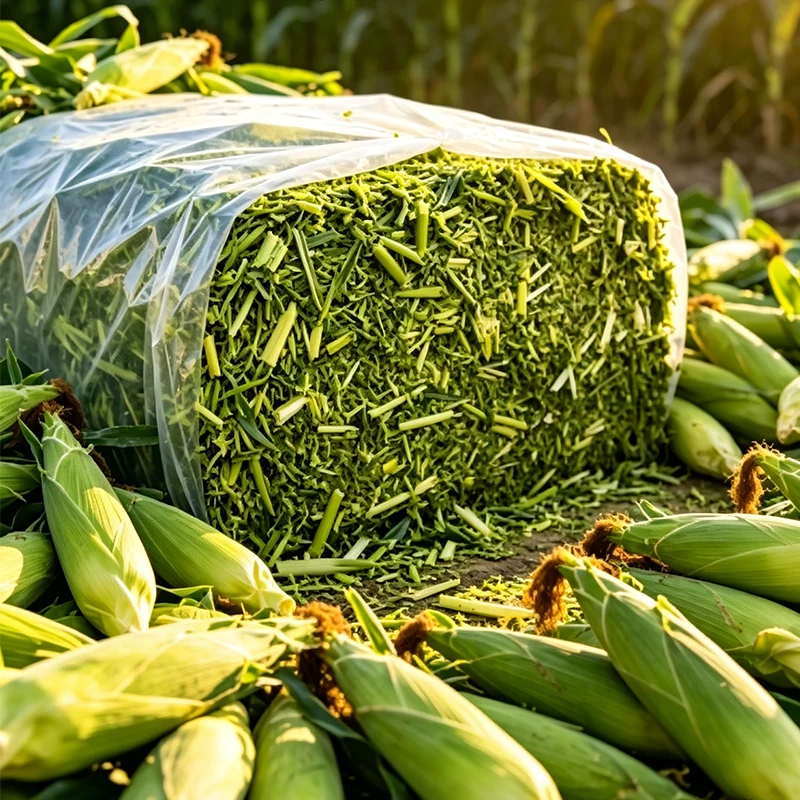
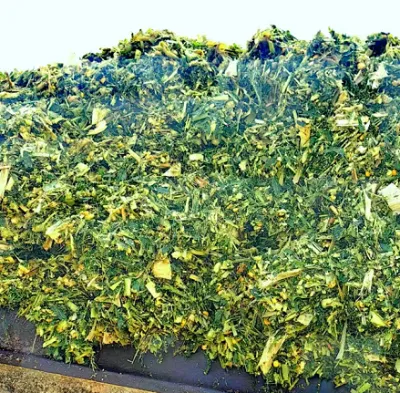
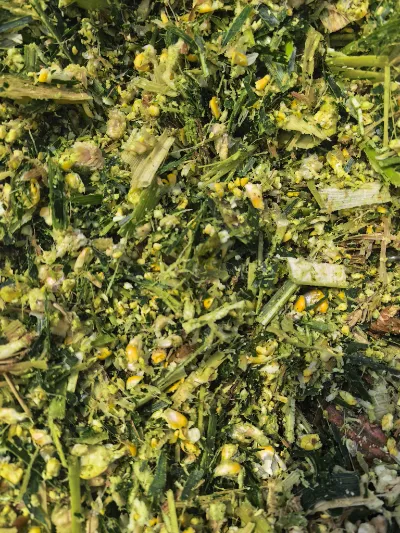
Mixed Silage Feed refers to a fermented livestock feed made by combining various forage crops, grains, agricultural by-products, and nutritional additives under anaerobic conditions. The fermentation process preserves the feed while improving digestibility and nutritional stability.
Unlike single-crop silage, mixed silage feed blends multiple ingredients to create balanced nutrition for animals throughout the year. The goal is to optimize energy, protein, fiber, minerals, and moisture content in one unified feed source.
| Component | Purpose |
|---|---|
| Corn Silage | Provides energy and carbohydrates |
| Alfalfa | Rich source of protein |
| Straw | Adds fiber structure |
| Molasses | Supports fermentation |
2. Why Is Mixed Silage Feed Important?
Livestock farmers often face major challenges such as rising feed costs, seasonal forage shortages, inconsistent feed quality, and nutritional imbalances. Mixed silage feed addresses these issues by creating a stable and efficient feeding system.
Fermented feed remains usable for long periods while retaining valuable nutrients. This allows farms to maintain feeding consistency even during droughts, winter seasons, or market fluctuations.
- Reduces feed waste
- Improves livestock digestion
- Supports higher milk production
- Enhances meat quality
- Minimizes seasonal dependence
- Lowers overall feeding costs
3. What Ingredients Are Used in Mixed Silage Feed?
The formulation of mixed silage feed varies depending on animal species, climate conditions, crop availability, and production goals.
Common ingredients include:
| Ingredient | Function | Typical Inclusion |
|---|---|---|
| Corn | Energy source | 30%-50% |
| Alfalfa | Protein source | 10%-25% |
| Wheat Straw | Fiber balance | 5%-15% |
| Soybean Meal | Protein enhancement | 5%-10% |
| Molasses | Fermentation aid | 2%-5% |
4. How Does Mixed Silage Feed Improve Nutrition?
One of the biggest advantages of mixed silage feed is nutritional consistency. Animals receive balanced nutrients in every bite, which helps stabilize digestion and improve overall productivity.
Fermentation also increases palatability, encouraging higher feed intake. Beneficial bacteria generated during fermentation can improve gut health and nutrient absorption.
Key nutritional benefits include:
- Higher digestibility
- Improved energy efficiency
- Balanced protein distribution
- Better rumen health
- Reduced digestive stress
5. What Are the Main Benefits for Farmers?
Farmers are constantly searching for feeding methods that improve efficiency while reducing operational expenses. Mixed silage feed offers practical and economic benefits across all farming scales.
Main Advantages:
- Long-term feed preservation
- Reduced dependency on commercial feed
- Lower transportation costs
- Improved herd performance
- More predictable feeding management
- Better utilization of agricultural waste
By using crop residues and local forage materials efficiently, farms can significantly reduce feed procurement costs while improving sustainability.
6. Which Animals Benefit Most?
Mixed silage feed is widely used across multiple livestock industries.
| Animal Type | Main Benefits |
|---|---|
| Dairy Cattle | Higher milk yield and stable digestion |
| Beef Cattle | Improved weight gain efficiency |
| Sheep | Better fiber digestion |
| Goats | Enhanced feed intake |
7. How Is Mixed Silage Feed Produced?
Producing high-quality silage requires careful preparation and controlled fermentation conditions.
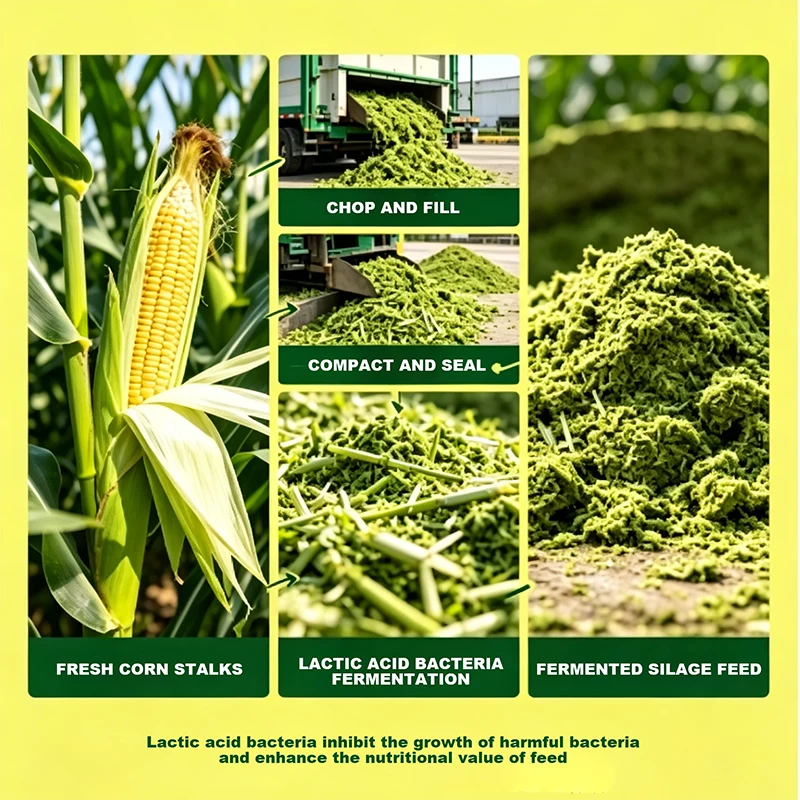
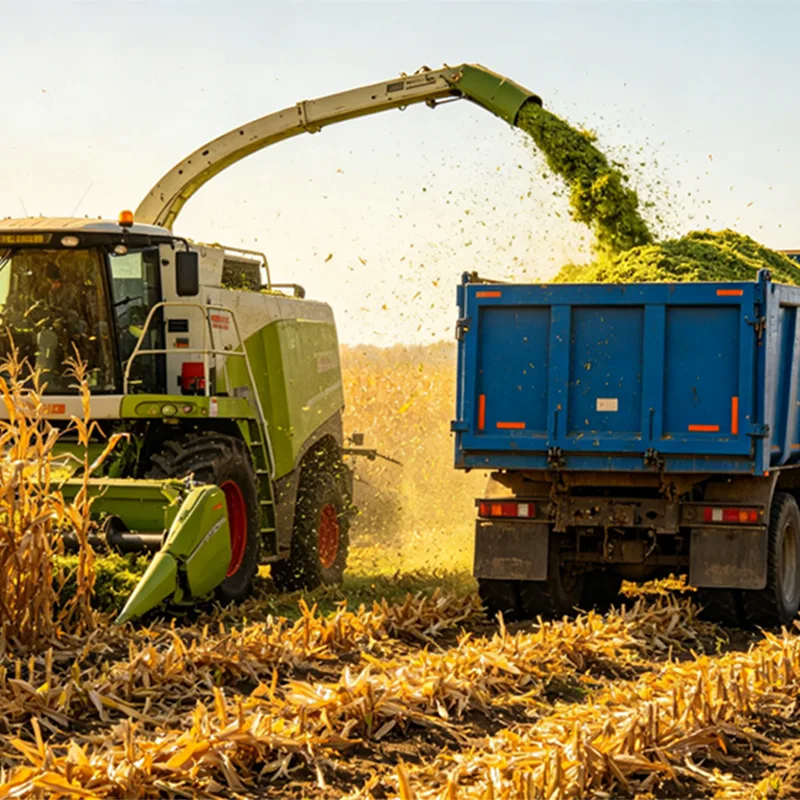
- Harvest forage at optimal moisture levels
- Chop materials evenly
- Mix ingredients thoroughly
- Compact feed tightly to remove oxygen
- Seal storage areas completely
- Allow fermentation for several weeks
Oxygen exposure is one of the biggest threats to silage quality. Proper sealing ensures stable anaerobic fermentation and prevents spoilage.
8. How Should Silage Be Stored?
Storage conditions directly impact silage quality. Poor storage can lead to nutrient loss, mold growth, and fermentation failure.
Common storage systems include:
- Bunker silos
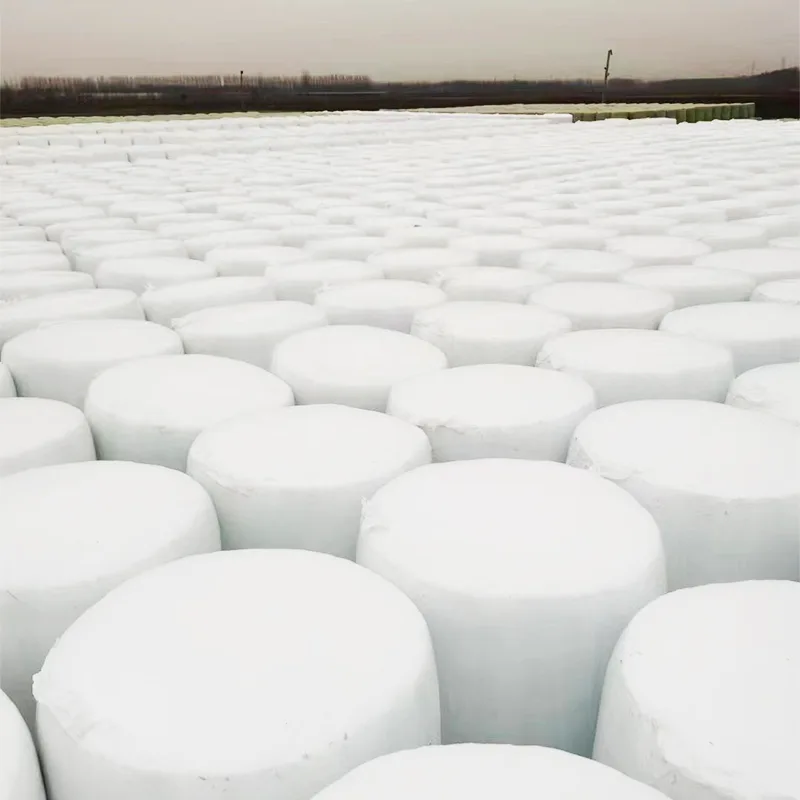
- Silage bags
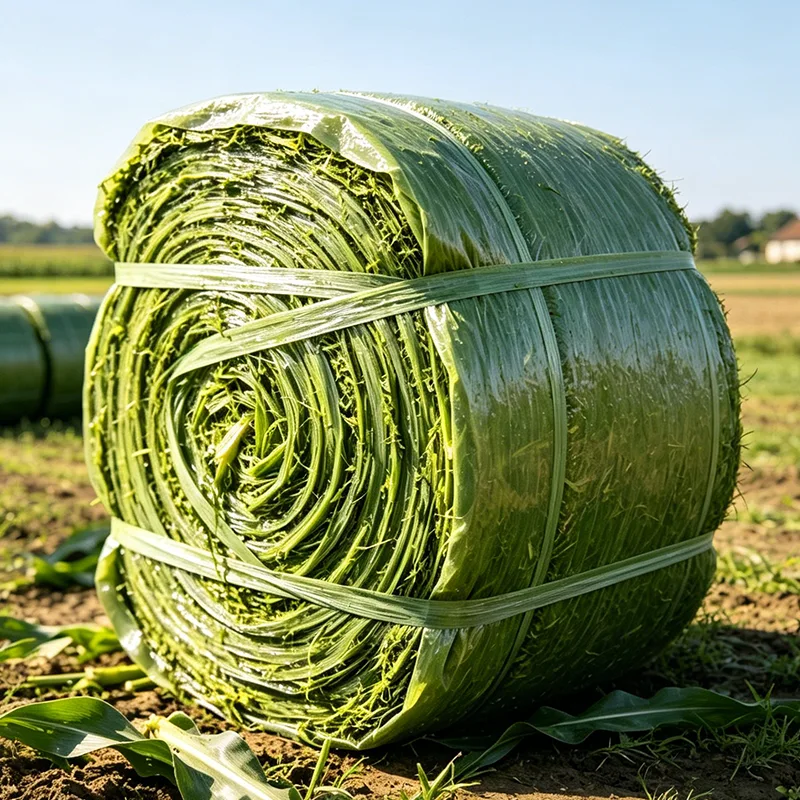
- Wrapped silage bales
- Tower silos
Farmers should regularly inspect storage areas for air leaks, water penetration, and surface spoilage.
9. Common Mistakes to Avoid
Even experienced farmers can face silage problems if proper management practices are ignored.
Common Silage Errors:
- Incorrect moisture content
- Poor compaction
- Delayed sealing
- Improper ingredient ratios
- Using contaminated raw materials
- Insufficient fermentation time
Preventing these issues can dramatically improve feed quality and animal performance.
10. Essential Equipment for Silage Production
Modern silage systems rely on specialized agricultural equipment to improve productivity and feed consistency.
| Equipment | Purpose |
|---|---|
| Forage Harvester | Crop cutting and chopping |
| Feed Mixer | Ingredient blending |
| Silage Baler | Packaging and storage |
| Compactor | Air removal |
Companies like Hebei Yiman Agricultural Technology Co., Ltd. continue developing advanced agricultural equipment and silage solutions to support modern livestock operations worldwide.
11. Mixed Silage Feed vs Traditional Feed
| Factor | Mixed Silage Feed | Traditional Feed |
|---|---|---|
| Shelf Life | Long-term preservation | Shorter storage duration |
| Nutritional Stability | Consistent | Variable |
| Feed Waste | Lower | Higher |
| Digestibility | Improved | Moderate |
12. Future Trends in Silage Technology
As agriculture becomes more technology-driven, mixed silage feed systems are evolving rapidly.
Emerging trends include:
- Smart moisture monitoring systems
- Automated feed mixing technology
- Precision nutrition analysis
- Biological fermentation additives
- Environmentally sustainable storage systems
These innovations help farmers improve productivity while reducing environmental impact and operational inefficiencies.
13. Frequently Asked Questions
Q1: How long can mixed silage feed be stored?
Properly sealed silage can often be stored for 12 months or longer while maintaining good nutritional quality.
Q2: Does mixed silage feed reduce feeding costs?
Yes. It helps reduce feed waste, improves nutrient efficiency, and allows farms to utilize local agricultural materials more effectively.
Q3: Can small farms use mixed silage systems?
Absolutely. Mixed silage feed is suitable for farms of all sizes, especially when local forage resources are available.
Q4: What moisture level is ideal for silage?
Most silage performs best at approximately 60%-70% moisture content.
Q5: Why does silage sometimes smell bad?
Poor fermentation, oxygen exposure, or spoiled ingredients can create unpleasant odors and reduce feed quality.
14. Conclusion
Mixed Silage Feed has transformed livestock feeding strategies by providing stable nutrition, reducing waste, improving productivity, and helping farmers manage costs more effectively. With proper ingredient selection, fermentation control, and storage management, silage systems can significantly enhance farm efficiency and animal performance.
As global agriculture continues evolving, mixed silage feed will remain a critical solution for sustainable livestock production. Farmers who invest in high-quality silage technology and professional feed management systems are better positioned for long-term success.
Contact Us
Looking for reliable silage equipment and advanced agricultural feeding solutions? Hebei Yiman Agricultural Technology Co., Ltd. is committed to helping livestock farms improve efficiency, feed quality, and productivity with professional agricultural technology solutions.
Contact us today to learn more about customized silage systems, feed processing equipment, and modern livestock farming support services.
Related News
- How Can China High Energy Mixed Silage Feed Cut Farming Costs and Boost Livestock Growth?
- How Does High Moisture Fresh Corn Silage Improve Modern Livestock Feeding?
- How Can New Crop Fresh Whole Plant Corn Silage Improve Modern Livestock Feeding Efficiency?
- Is Net Bag Packed Round Cabbage the Key to Better Product Visibility and Faster Turnover?
- Why Is Seasonal Corn Silage Essential for Modern Livestock Farming?
- Why Does Baled Whole Plant Corn Silage Matter for Modern Livestock Feeding Efficiency?
Leave me a message