Factory Direct Silage Forage and Feed Products
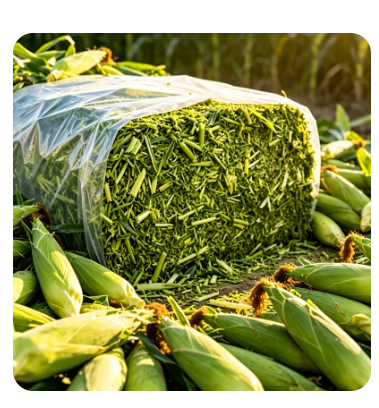
In modern livestock production, the foundation of profitability rests squarely on the quality and consistency of the ration delivered to the herd. For decades, farmers and nutritionists have understood that preserving the nutritional integrity of forage crops is not just a seasonal task; it is a science that directly impacts milk yield, daily weight gain, and overall animal health. The sector has evolved dramatically from simple trench silos to highly engineered systems, and at the heart of this evolution lies an uncompromising demand for superior inputs. This is where high-performance Silage Forage & Feed Products become the critical link between a successful harvest and a productive feeding season. Without a strategic approach to forage preservation, even the most meticulously grown crops can lose significant dry matter and digestible nutrients before they ever reach the feed bunk. Our Silage Forage and Feed Products series includes products such as Corn Silage Mixed Forage, Bulk Wholesale Corn Silage, and others.
Understanding the Core Components of Modern Silage Preservation
The process of ensiling is a controlled fermentation that converts soluble carbohydrates into organic acids, primarily lactic acid, under anaerobic conditions. This rapid acidification drops the pH to a level that inhibits the activity of spoilage organisms, effectively pickling the forage. However, achieving this stable endpoint is rarely straightforward when relying solely on the epiphytic bacteria naturally present on the plant material. The natural microflora is unpredictable; it often consists of heterofermentative bacteria that produce not only lactic acid but also acetic acid, ethanol, and carbon dioxide, leading to excessive dry matter losses and reduced palatability. To combat this variability, modern Silage Forage & Feed Products are formulated with specific strains of homofermentative lactic acid bacteria, combined with enzymes that break down complex plant fibers into simple sugars. This dual-action approach fuels a faster, more efficient fermentation, resulting in a sharper pH drop, minimized protein breakdown, and a higher retention of the crop's original energy value.
Comprehensive Product Parameters and Technical Specifications
The efficacy of any forage treatment is determined by its formulation density, bacterial viability, and enzymatic activity. Farmers often evaluate products based on colony-forming units per gram of forage, but the specific strain pedigree is equally important. Not all lactic acid bacteria perform the same function; some are optimized for rapid sugar metabolism in high-moisture corn, while others are selected for fiber digestion in grass silage. Below, we break down the critical technical parameters that define a premium product line, allowing producers to match the biological solution precisely to the crop at hand. These specifications are not merely marketing bullet points; they represent the laboratory-validated benchmarks that guarantee field performance under the variable conditions of a real-world harvest.
Storage Structure Compatibility and Sealing Technology
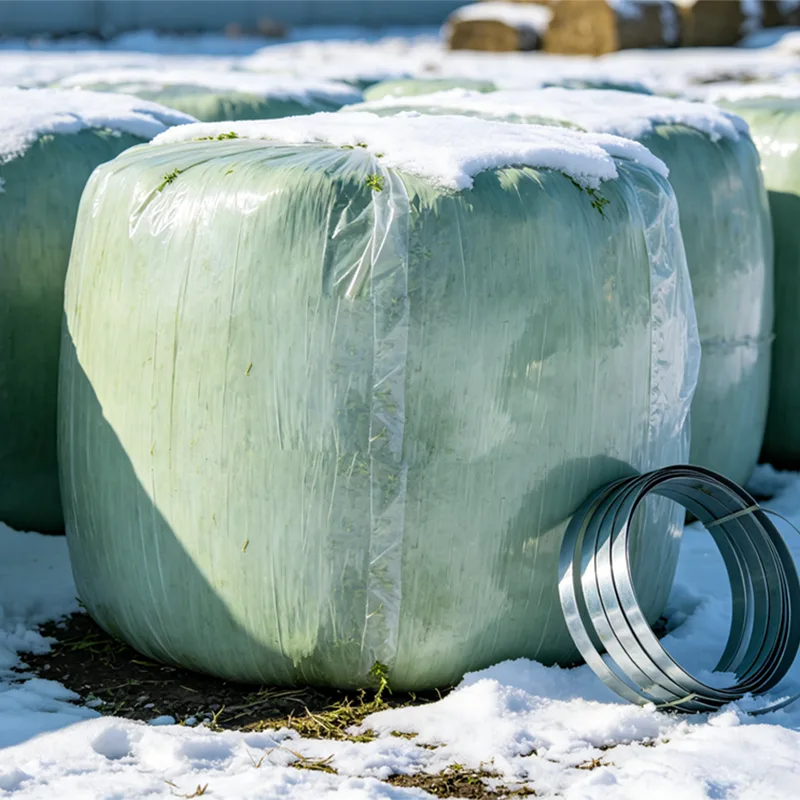
Whether the storage is a concrete stave silo, an above-ground bunker, or an agricultural bag, the performance envelope of Yiman products remains consistent, but the sealing protocol must adapt. In bunker silos, the use of an oxygen-barrier film with a standard white-on-black plastic overlay is mandatory. The Yiman inoculant generates the acids, but it is the impermeable seal that traps those acids and prevents the diffusion of oxygen into the top three feet of the pile, which is typically the zone of greatest loss. For bagged silage, the density inside the bag must be uniform, and any punctures must be taped immediately with a product-rated sealing tape. A single puncture in a silage bag can admit enough oxygen to support a foot-wide cone of spoiled silage, rendering the biological investment in that zone completely nullified.
Continuous Training and the Human Element
Ultimately, the highest quality Yiman Silage Forage & Feed Products are only as effective as the people tasked with applying them. Yiman provides ongoing technical support that goes beyond a simple product brochure. This includes on-site calibration checks for automatic applicators, moisture probe verification, and packing density training using the standard penetrometer method. The human element, the operator who decides to stop packing because it is late or who skips the edge of the bunker wall, is the final variable. Investing in a product is a financial decision; investing in the discipline to execute every step precisely is a management philosophy. The fusion of a top-tier biological product with a rigorously trained team results in a silage asset that provides nutritional security against volatile commodity markets.
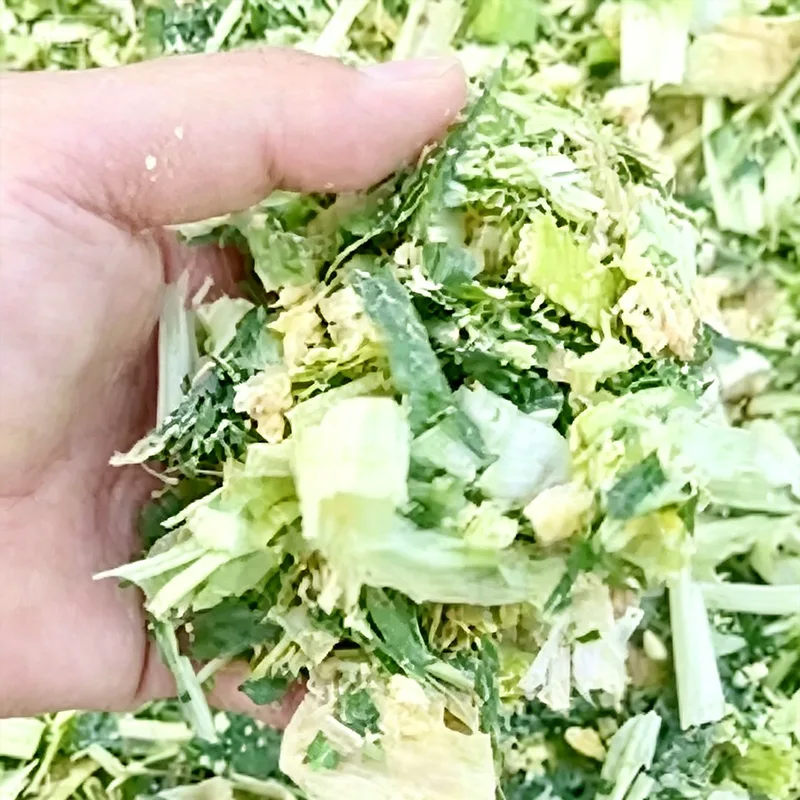
- View as
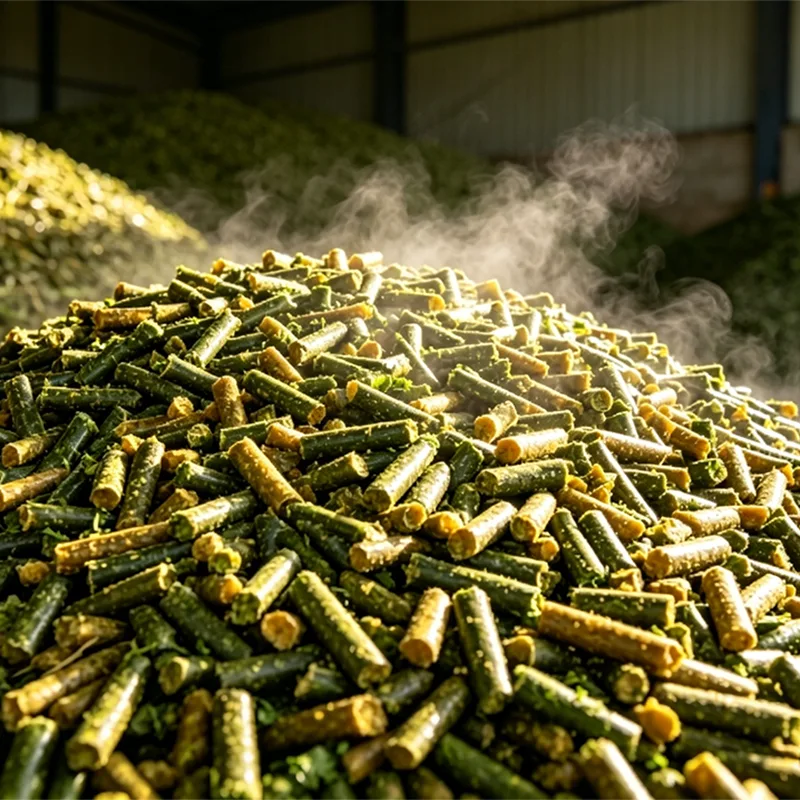
High Energy Mixed Silage Feed
Hebei Yiman Agricultural Technology Co., Ltd. focuses on High Energy Mixed Silage Feed, designed for high-yield and fast-growing livestock with rich energy, high nutrition, and strong absorption. Our high-energy silage feed significantly improves production efficiency and economic benefits. It is widely used in high-end dairy and beef farms. We support bulk orders, customized solutions, and long-term partnerships.
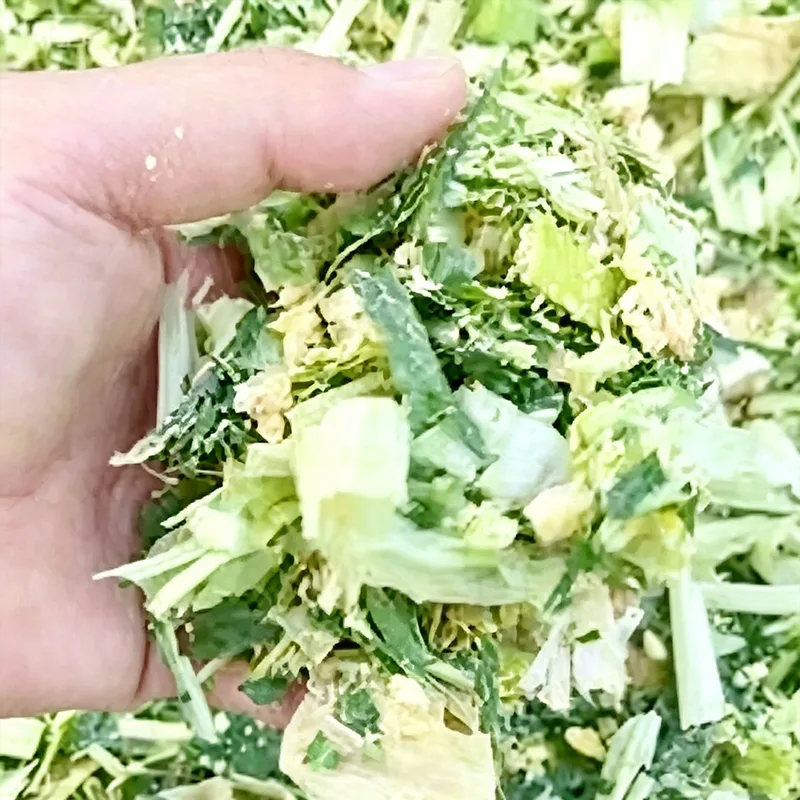
Complete Mixed Feed With Silage
Hebei Yiman Agricultural Technology Co., Ltd. supplies Complete Mixed Feed With Silage, a full
price balanced feed that integrates silage, energy feed, protein, and minerals. It meets all daily nutritional needs of livestock without additional matching. Our full mixed feed improves efficiency, saves labor, and enhances growth. We support bulk wholesale and customized formulas for farms worldwide.
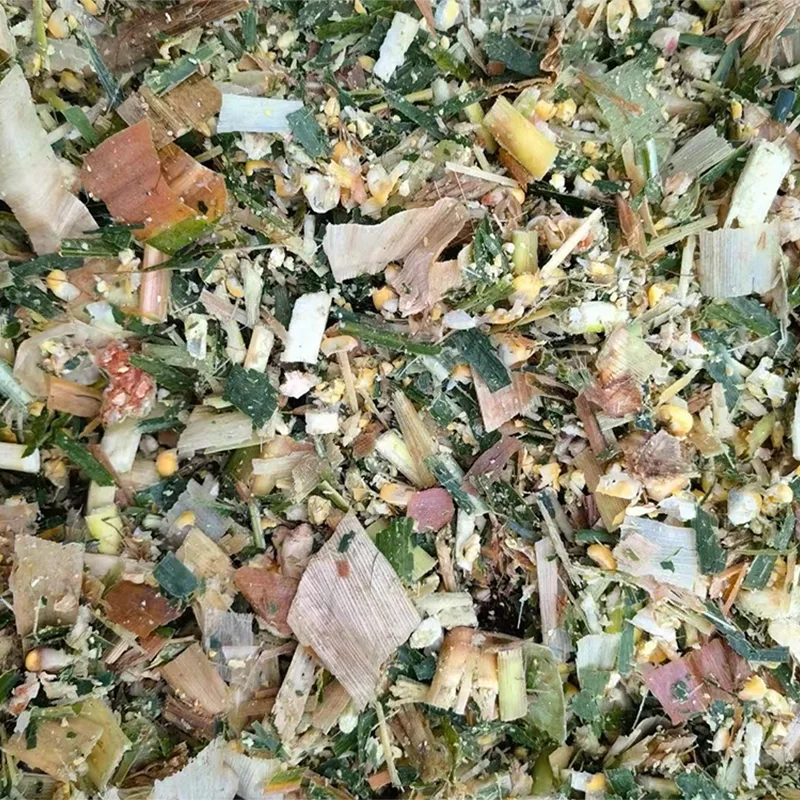
Corn Silage Mixed Forage
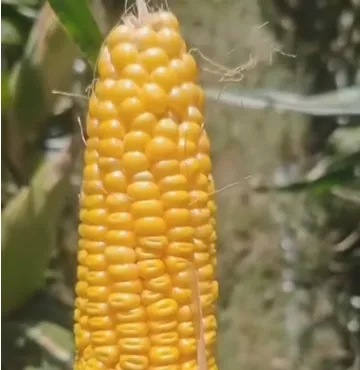
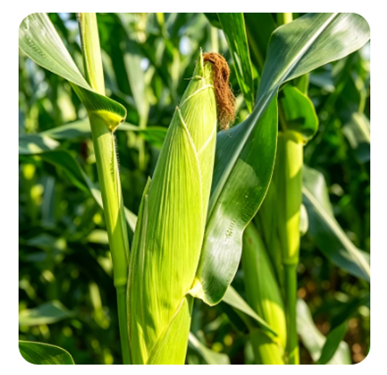
Hebei Yiman Agricultural Technology Co., Ltd. produces Corn Silage Mixed Forage with balanced nutrition by combining high-quality corn silage and natural forage. Our mixed silage improves rumen health, increases feed efficiency, and provides comprehensive nutrition. It is suitable for dairy cows, beef cattle, sheep, and other ruminants. We support bulk supply, fast delivery, and long-term cooperation for global farms.
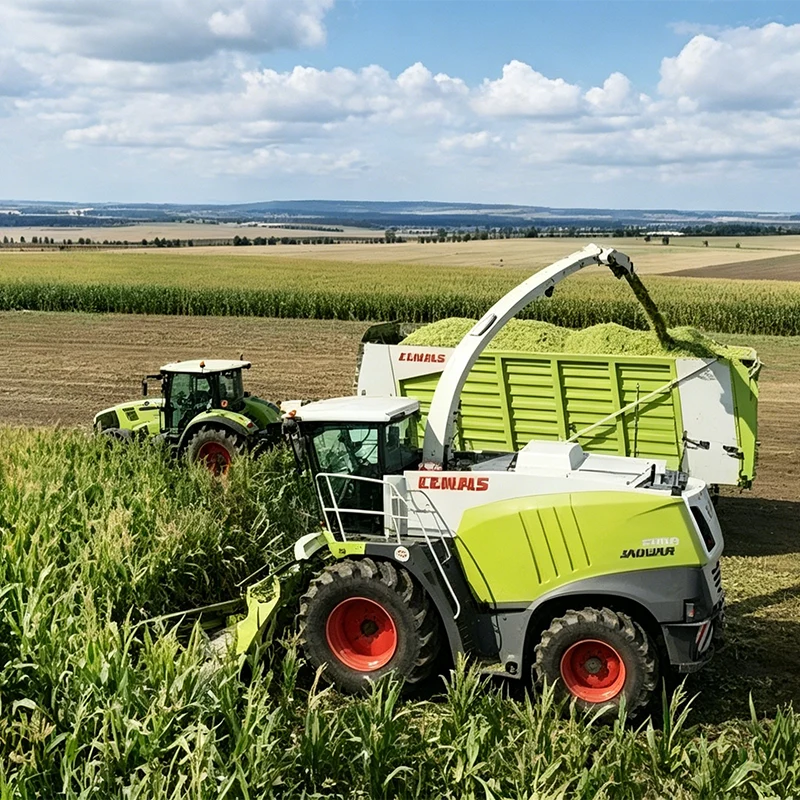
Custom Formula Corn Silage
Hebei Yiman Agricultural Technology Co., Ltd. offers Custom Formula Corn Silage, providing personalized nutrition solutions according to farm needs, animal types, and feeding goals. Our custom silage supports different ratios of energy, fiber, and protein. We accept OEM, customized packaging, and exclusive formulas. Flexible, professional, and customer
focused, we help farms achieve higher breeding efficiency.
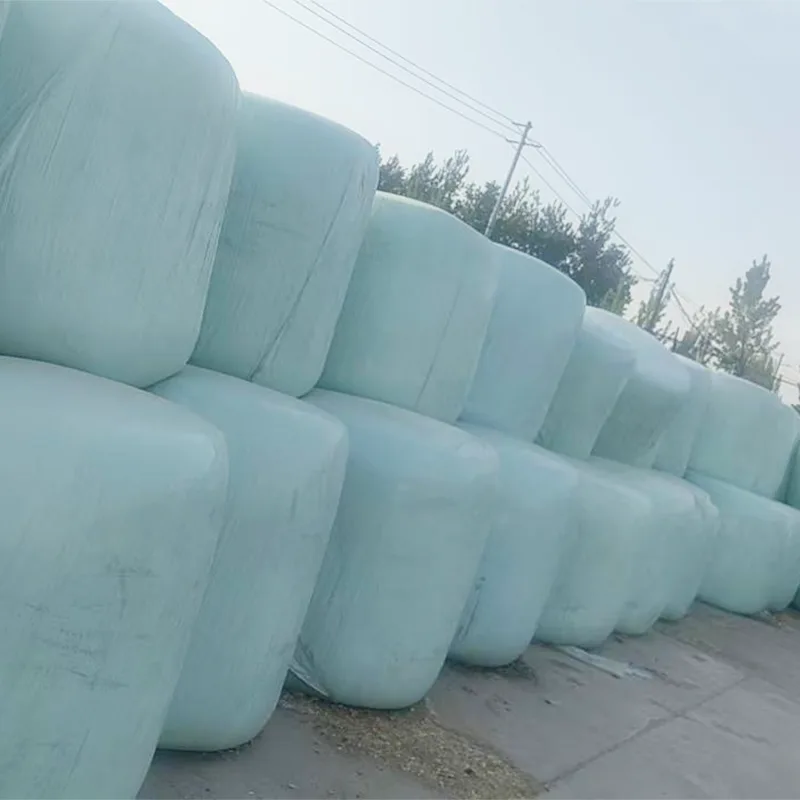
Bulk Wholesale Corn Silage
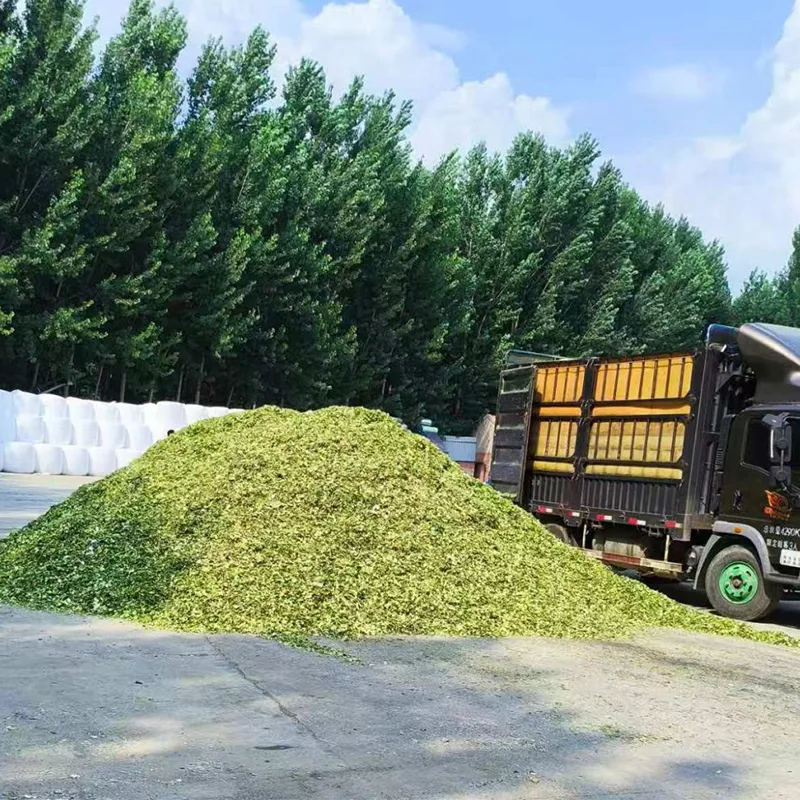
Hebei Yiman Agricultural Technology Co., Ltd. provides Bulk Wholesale Corn Silage with large capacity, stable supply, and cost-effective price for large farms, traders, and feed enterprises. Our bulk silage ensures consistent quality, convenient loading and transportation, and strong adaptability. We support long-term contracts, fast shipment, and customized services. As a professional bulk silage supplier, we serve customers worldwide with integrity and reliability.
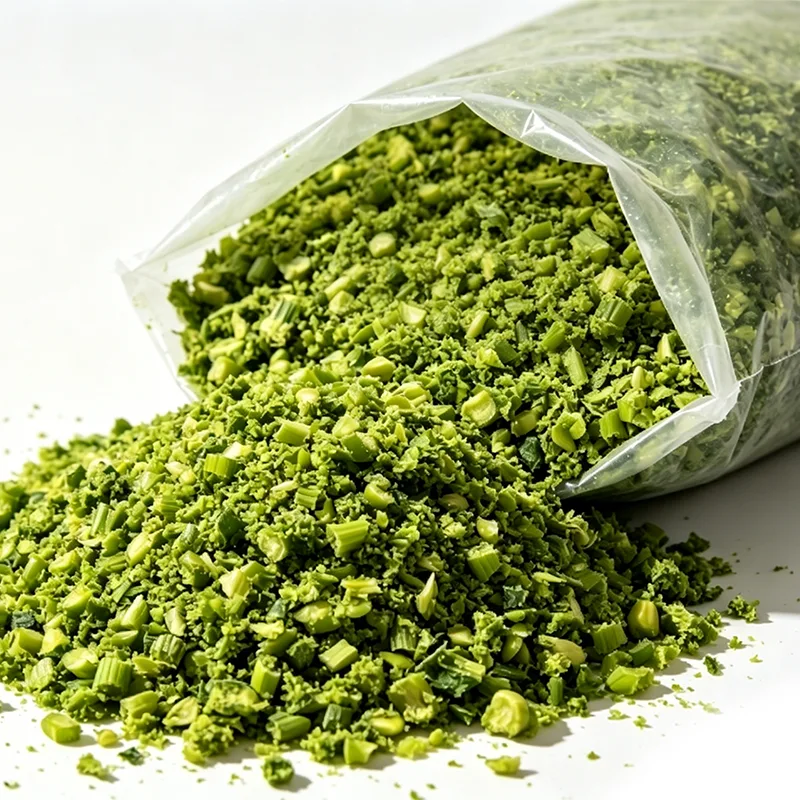
Feed Grade Whole Plant Corn Silage
Hebei Yiman Agricultural Technology Co., Ltd. is a reliable supplier of Feed Grade Whole Plant Corn Silage that meets international feed standards, safe, hygienic, and nutritionally complete. Our feed-grade silage is widely used in feed factories, breeding bases, and large farms. We support bulk wholesale, OEM production, and long-term supply contracts. Stable quality, competitive price, and professional service make us a top partner for global animal feed customers.
As a reliable Silage Forage and Feed Products manufacturer and supplier in China, we have custom options and volume discount pricing. Please just send us a quotation!