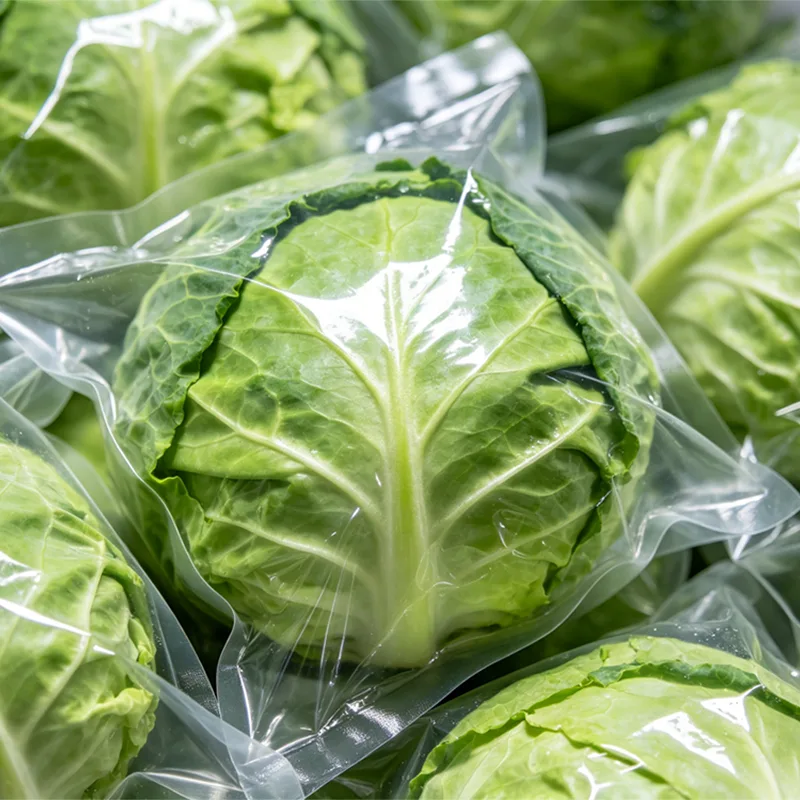
Fresh Cabbage is rich in vitamin C, dietary fiber, vitamin K, potassium, folic acid, and various plant active substances. It has multiple effects such as antioxidant, digestive promotion, immune enhancement, and protection of gastrointestinal mucosa. It is a highly cost-effective healthy vegetable in daily diet.
Core nutritional value (per 100 grams):
Calories: Approximately 25 kcal, suitable for weight control individuals
Vitamin C: 30-45 milligrams, close to 40% -50% of daily requirement
Dietary fiber: 2-3 grams, mainly insoluble fiber
Vitamin K: 50-80 micrograms, crucial for coagulation and bone health
Potassium: about 200 milligrams, helps regulate blood pressure
Radish sulfur precursor (glucosinolates): converted into isothiocyanates with anticancer activity when chewed or chopped
Main functions and effects:
Antioxidant and anti-inflammatory properties
The vitamin C, sulfides, and anthocyanins in cabbage (more abundant in purple cabbage) can neutralize free radicals and reduce cellular oxidative damage. Research has shown that the isothiocyanates it contains can activate the liver detoxification enzyme system and have an inhibitory effect on chronic inflammation, with better effects when eaten raw.
Promote digestion and intestinal health
Dietary fiber can increase fecal volume, stimulate intestinal peristalsis, and prevent constipation. The sulforaphane contained in it can also promote gastric mucosal repair and have a certain auxiliary improvement effect on mild gastritis or gastric ulcers. The fermented pickled Chinese cabbage contains probiotics to further regulate the balance of intestinal flora.
Enhance immune function
Every 100 grams of cabbage provides about 36 milligrams of vitamin C, which, when combined with zinc and selenium elements, can enhance white blood cell activity. Eating it regularly in winter can help reduce the risk of respiratory infections.
Assist in sugar control and metabolic regulation
Fresh Cabbage is a vegetable with low glycemic index. Its chromium element helps to enhance insulin sensitivity and is suitable for diabetes patients as a side dish. The low calorie characteristic also makes it an ideal choice for weight loss meals.
Bone and cardiovascular protection
Vitamin K is an essential factor for the synthesis of osteocalcin, which helps to deposit calcium in the bones and reduce the risk of osteoporosis. Meanwhile, the characteristic of high potassium and low sodium helps to combat the blood pressure increase caused by sodium, and plant sterols can also reduce cholesterol absorption.
Potential anti-cancer effect
The sulforaphane released from cabbage during chewing is one of the natural ingredients with the strongest anti-cancer activity in vegetables known at present. It can promote the detoxification of carcinogens, inhibit the growth of cancer cells, and has certain potential in the prevention of lung cancer, gastric cancer, and breast cancer.
Eating suggestions and precautions:
Recommended eating methods: cold stir fry, stir fry, stew or juice, avoid prolonged high-temperature cooking to preserve nutrients.
Eating raw is better: anti-inflammatory ingredients such as glucosinolates and luteolin are sensitive to heat, and raw food can better exert their effects.
Attention for special populations: Individuals with thyroid dysfunction should avoid consuming large amounts of raw food; For those with gastrointestinal sensitivity, it is recommended to try a small amount and use ginger shreds to relieve bloating.
We use cookies to offer you a better browsing experience, analyze site traffic and personalize content. By using this site, you agree to our use of cookies. Privacy Policy