Mixed Silage Feed Made in China
Understanding Mixed Silage Feed and Its Role in Modern Livestock Nutrition
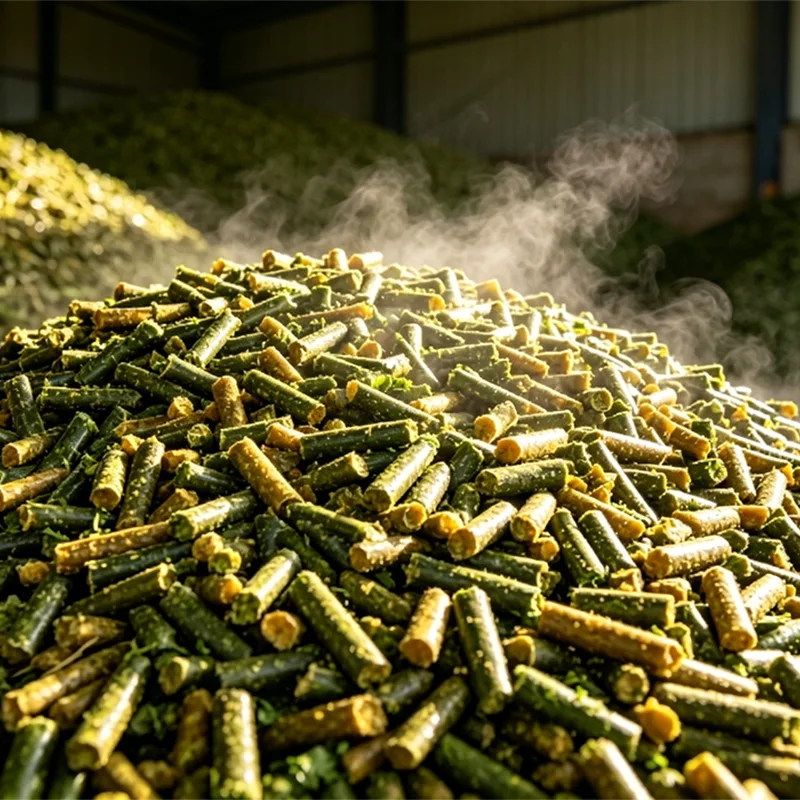
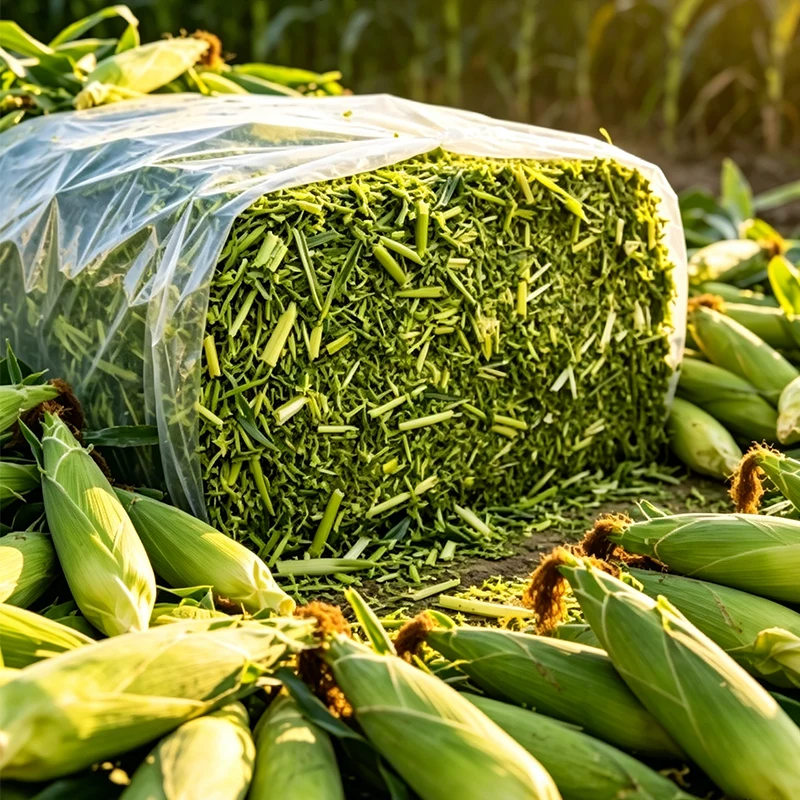
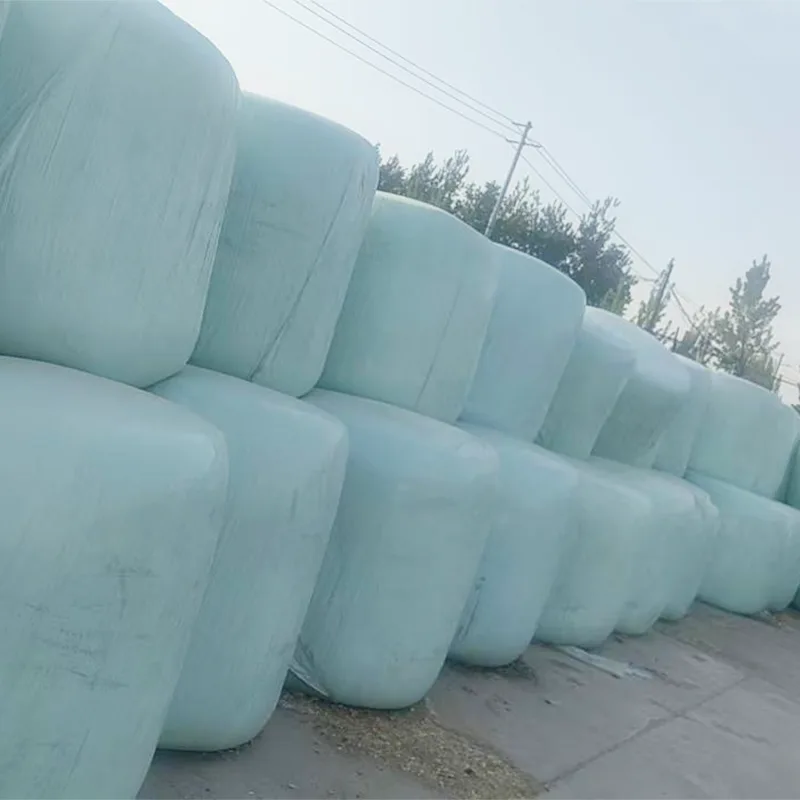
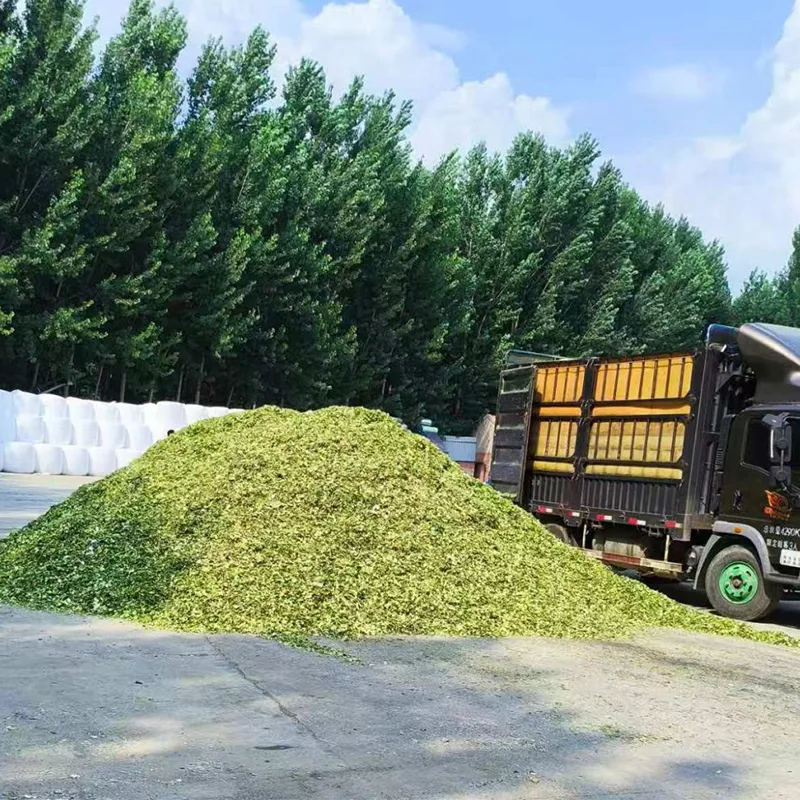
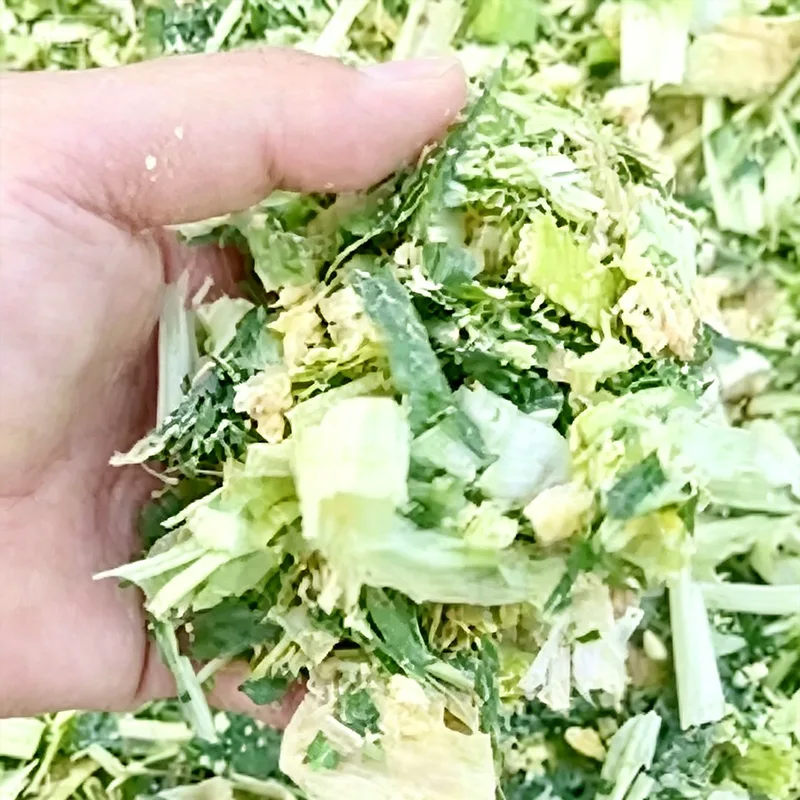
Mixed Silage Feed has become a cornerstone for progressive dairy, beef, and sheep operations across North America, the United Kingdom, Australia, and New Zealand. It combines fermented forage crops, grains, protein sources, and essential additives to create a balanced ration that preserves nutrients, enhances palatability, and stabilizes year-round feed costs. For experienced producers, the quality of Mixed Silage Feed dictates milk yield consistency, daily liveweight gain, and overall herd health. Unlike dry hay or unprocessed grains, properly ensiled mixed feed retains vitamins, reduces dust, and minimises selective feeding, which leads to uniform intake across all animals. In this resource, we break down product specifications, share practical usage guidelines, and answer the most pressing questions raised by nutritionists and farm managers who rely on Yiman’s formulation expertise. Our Mixed Silage Feed series includes products such as Complete Mixed Feed With Silage, Corn Silage Mixed Forage, and others.
Integrating Mixed Silage Feed into Precision Feeding Systems
Precision livestock farming increasingly relies on real-time data. Yiman’s Mixed Silage Feed is compatible with near-infrared (NIR) sensors mounted on mixer wagons and feed lanes. The product’s consistent moisture and nutrient profile reduce the need for frequent NIR recalibration, allowing TMR audits to focus on actual bunk chemistry. Farms using automatic milk recording systems can overlay daily milk yield and components onto feed batch numbers stored in Yiman’s cloud portal, identifying which lot correlates with the best production efficiency.
Troubleshooting Common Feeding Challenges
Occasionally, even a stable Mixed Silage Feed can behave differently in a new environment. If refusals exceed 3%, first check for spoilage at the face by monitoring temperature with an infrared gun. If the surface temperature is more than 5°C above ambient, increase feedout rate or trim 10 cm of face material. If milk fat drops, review the particle size distribution; too many fines can shift rumen fermentation toward propionate. Adding 0.5 kg of long hay can restore fat in 48 hours. If protein tests low in milk, verify that ammonia-N in the silage is not elevated, which indicates excessive protein degradation during ensiling, and supplement with a rumen-protected amino acid blend to compensate.
Supply Chain and Availability
Yiman operates six blending and bagging facilities across major forage production zones, enabling delivery within 200 km in under 48 hours from order placement. We maintain a 3,000-tonne strategic reserve of packaged Mixed Silage Feed to buffer against weather disruptions. Volume pricing is available for contracts of 500 tonnes or more annually, with quarterly pricing adjustments based on grain and hay market indices. Our logistics team can coordinate just-in-time delivery to match your feeding schedule, and we offer a silo management app that alerts you when stock is running low.
- View as
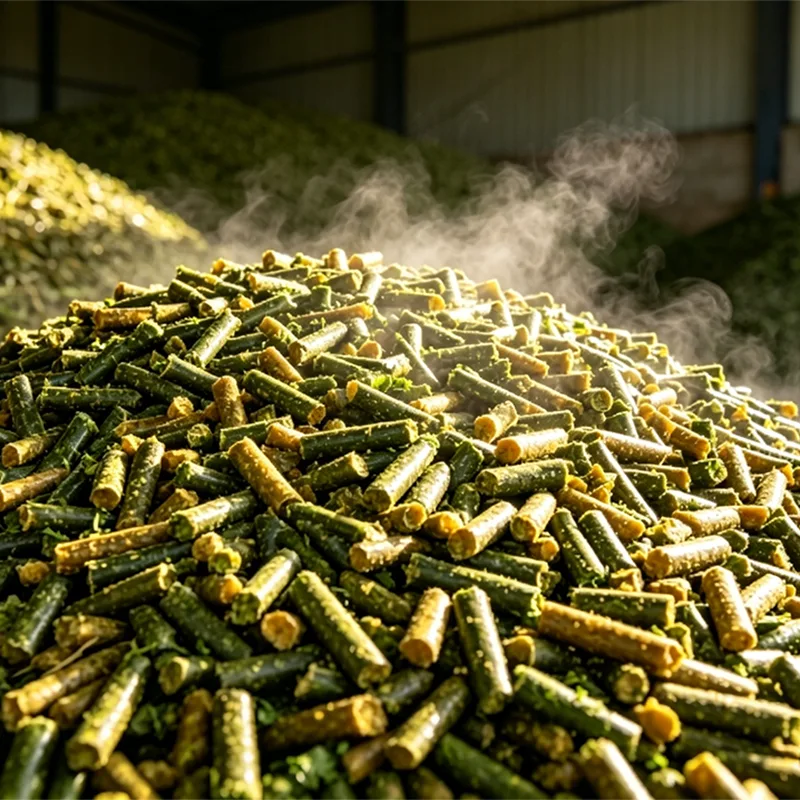
High Energy Mixed Silage Feed
Hebei Yiman Agricultural Technology Co., Ltd. focuses on High Energy Mixed Silage Feed, designed for high-yield and fast-growing livestock with rich energy, high nutrition, and strong absorption. Our high-energy silage feed significantly improves production efficiency and economic benefits. It is widely used in high-end dairy and beef farms. We support bulk orders, customized solutions, and long-term partnerships.
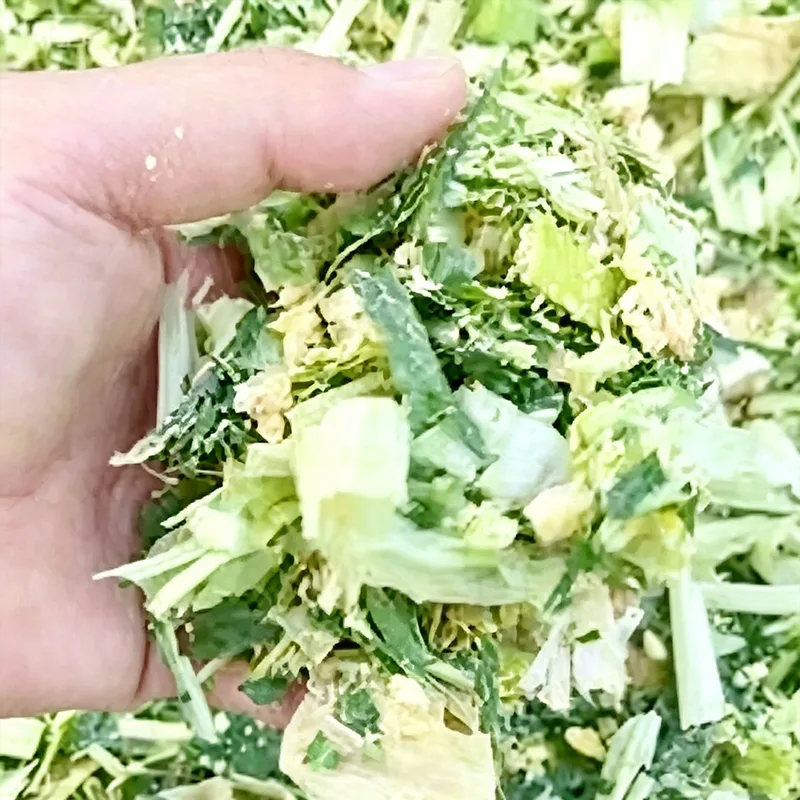
Complete Mixed Feed With Silage
Hebei Yiman Agricultural Technology Co., Ltd. supplies Complete Mixed Feed With Silage, a full
price balanced feed that integrates silage, energy feed, protein, and minerals. It meets all daily nutritional needs of livestock without additional matching. Our full mixed feed improves efficiency, saves labor, and enhances growth. We support bulk wholesale and customized formulas for farms worldwide.
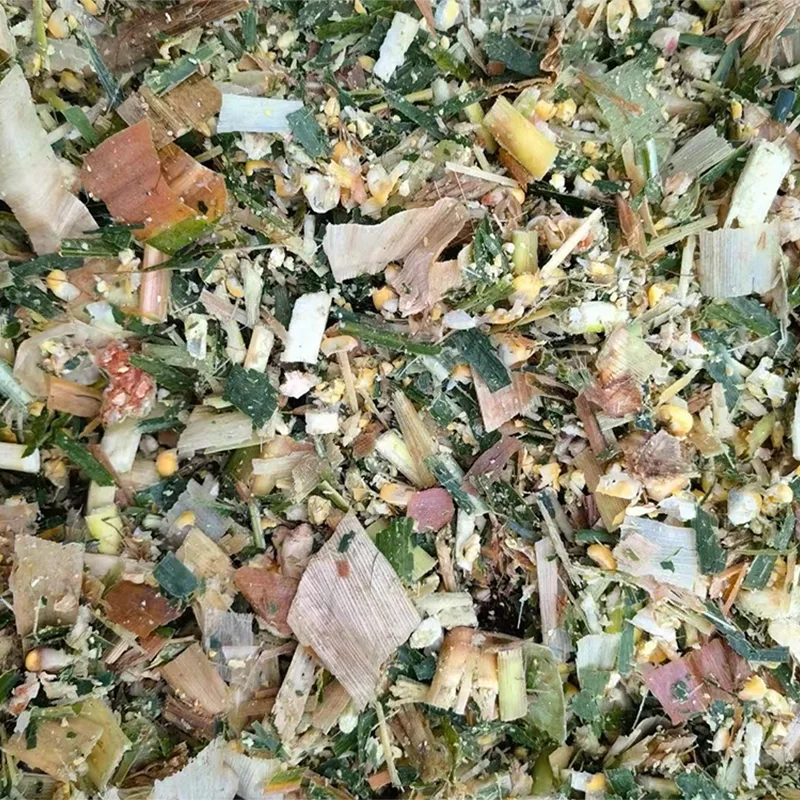
Corn Silage Mixed Forage
Hebei Yiman Agricultural Technology Co., Ltd. produces Corn Silage Mixed Forage with balanced nutrition by combining high-quality corn silage and natural forage. Our mixed silage improves rumen health, increases feed efficiency, and provides comprehensive nutrition. It is suitable for dairy cows, beef cattle, sheep, and other ruminants. We support bulk supply, fast delivery, and long-term cooperation for global farms.
As a reliable Mixed Silage Feed manufacturer and supplier in China, we have custom options and volume discount pricing. Please just send us a quotation!