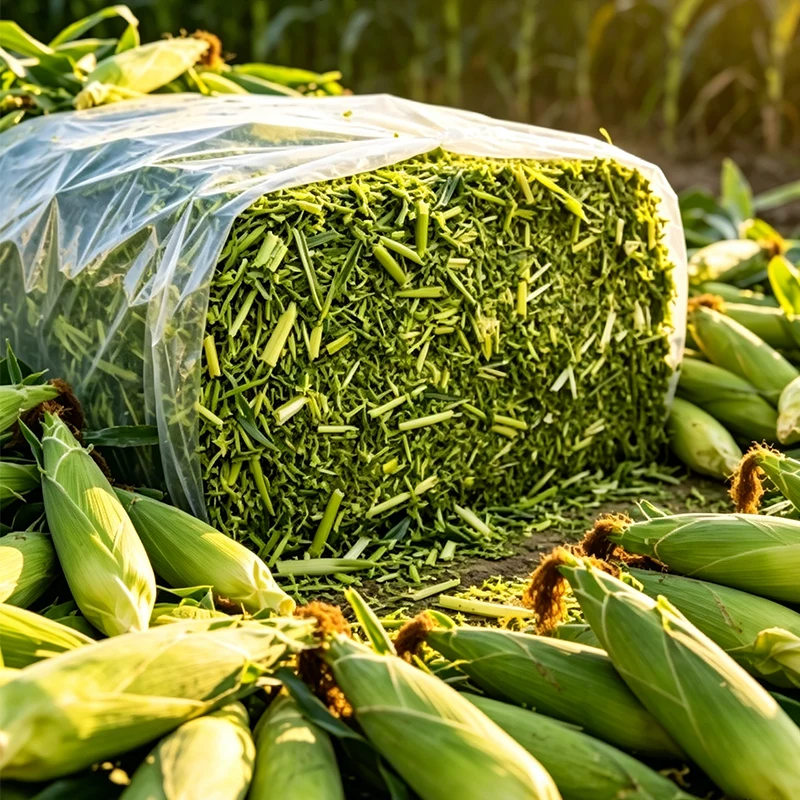
Seasonal Corn Silage from Professional Manufacturer
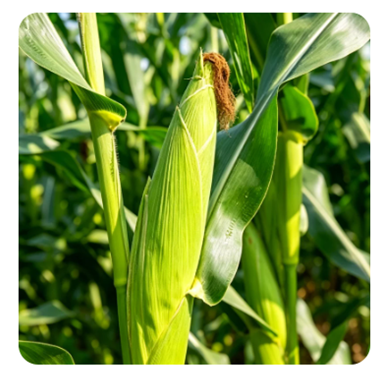
In modern dairy and beef operations, the quality of Seasonal Corn Silage directly determines herd performance, feed efficiency, and overall farm profitability. As a high-energy forage, corn silage serves as the backbone of ruminant rations across the globe, but its true value only emerges when harvesting aligns precisely with plant maturity, moisture level, and seasonal weather patterns. Achieving that perfect window requires both agronomic precision and a deep understanding of ensiling dynamics.
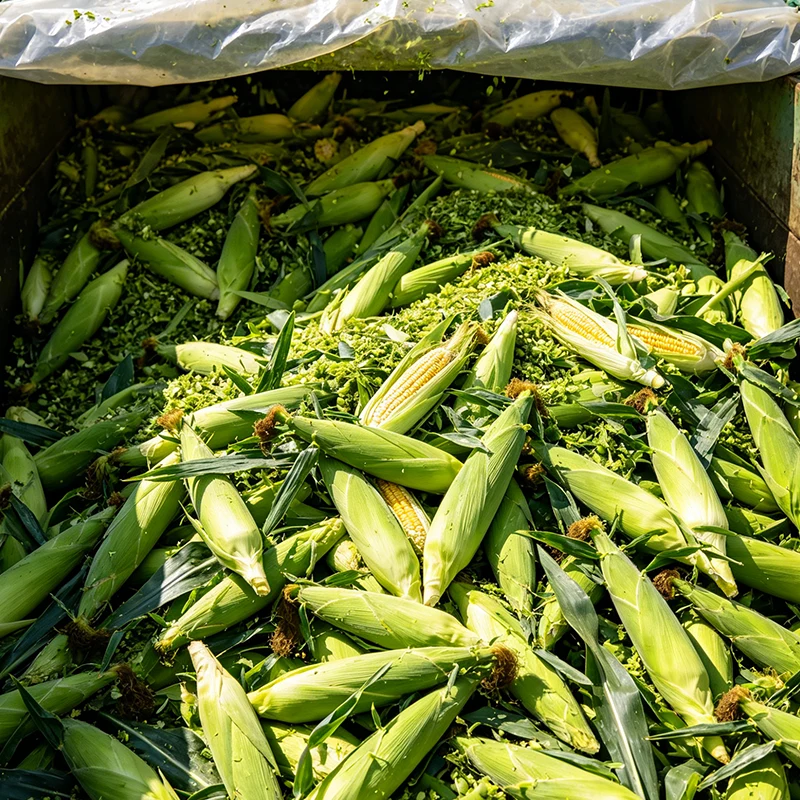
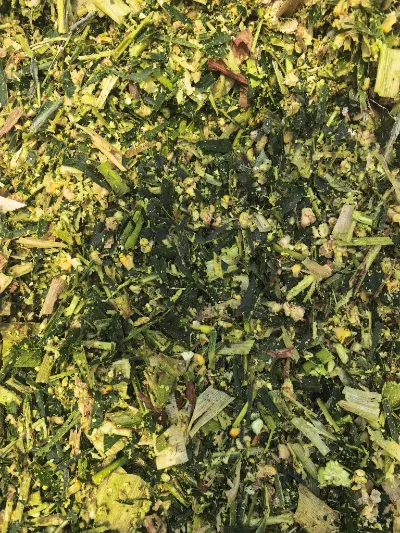
Seasonal Corn Silage is not simply chopped corn stored in a bunker or bag. It represents a carefully managed fermentation process that transforms whole corn plants into a palatable, nutrient-rich feedstuff. The timing of harvest — typically aligned with late summer through early autumn in temperate regions — must balance kernel maturity, stalk moisture, and lignification. By capturing the crop at peak digestibility, farmers lock in starch, fiber digestibility, and soluble sugars that might otherwise be lost if harvest is delayed by rain, frost, or equipment bottlenecks.
Yiman understands that no two growing seasons are identical. Variability in temperature, rainfall, solar radiation, and hybrid selection all influence the optimum cutting time. For this reason, Yiman has developed a full-service approach to Seasonal Corn Silage, encompassing hybrid recommendations, real-time moisture testing, precision chopping protocols, inoculant application strategies, and compaction guidance. Every detail matters, because the margin between exceptional silage and average silage often comes down to a few hours of harvest timing and a couple of percentage points of dry matter content.
Our Seasonal Corn Silage series includes products such as Year Round Supply Corn Silage, Autumn Harvest Corn Silage, and others.
Understanding the Seasonal Nature of Corn Silage Harvest
The term “seasonal” underscores the fact that corn silage production is a once-a-year event that sets the nutritional foundation for the entire feeding year. Unlike haylage or small grain silages that may offer multiple cuts, corn silage provides a single harvest opportunity per field per season. If the crop is taken too early, excessive moisture leads to seepage losses, clostridial fermentation, and reduced starch deposition. If the crop is taken too late, dry matter exceeds ideal ranges, kernels become harder and less digestible, and fiber digestibility plummets. The seasonal decision window is narrow, and the consequences last for months in the storage structure.
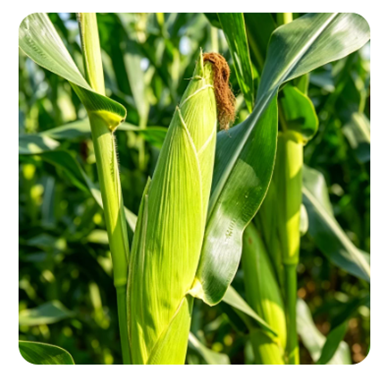
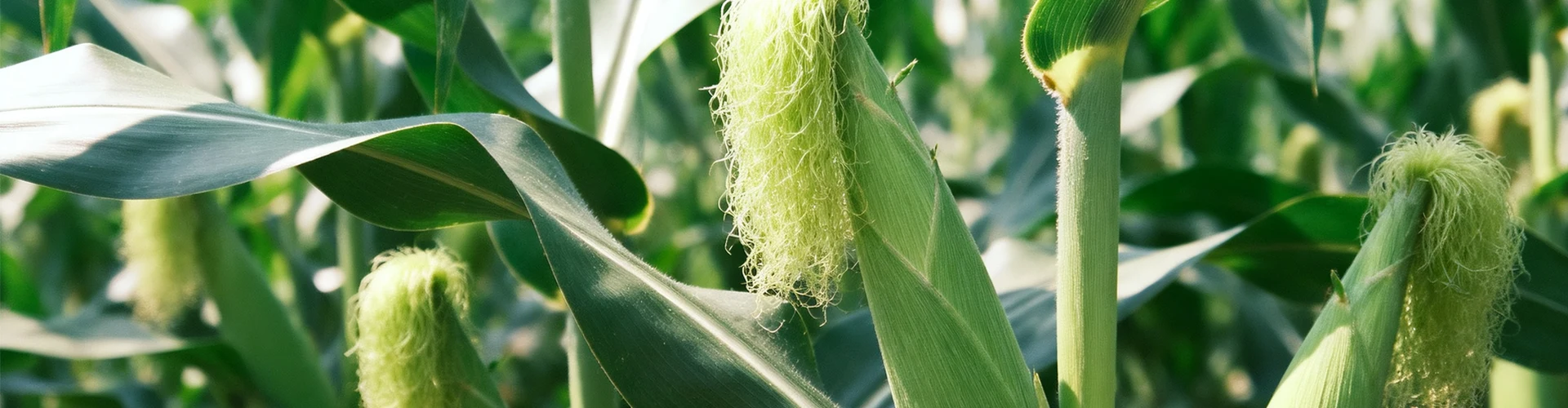
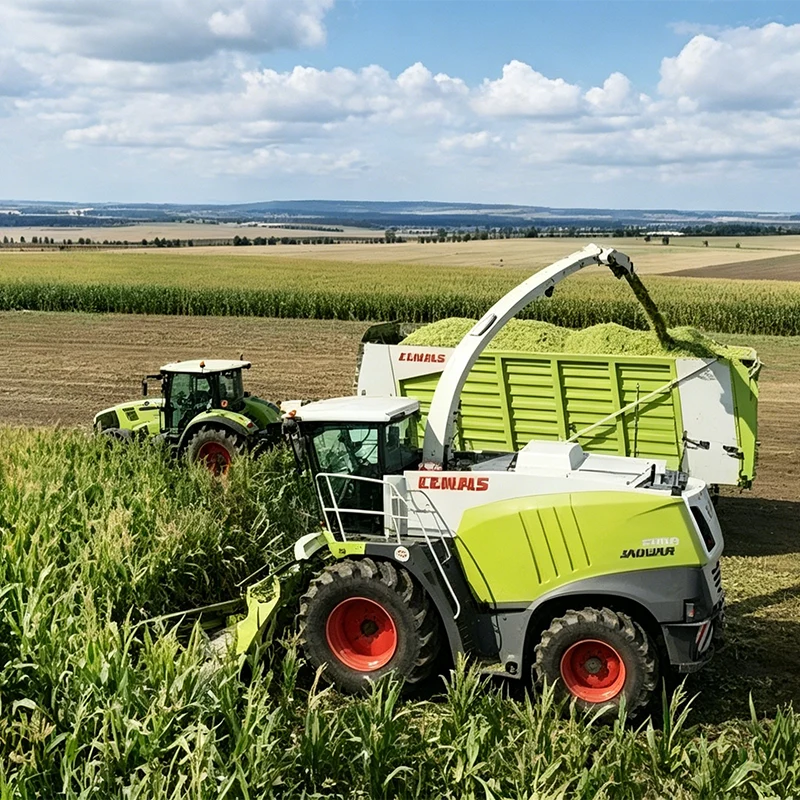
For most temperate regions, corn silage harvest typically occurs when whole-plant dry matter reaches 32% to 38%. At this stage, kernels are at approximately half to three-fourths milk line progression, stalks retain sufficient moisture for optimal compaction, and sugar levels support a rapid, efficient fermentation. The exact date varies with planting date, hybrid relative maturity, and growing degree days accumulated throughout the season. Yiman’s agronomy team works closely with producers to monitor fields weekly from the late dough stage through black layer formation, ensuring that harvesters roll at the precise moment when nutrient density peaks.
- View as
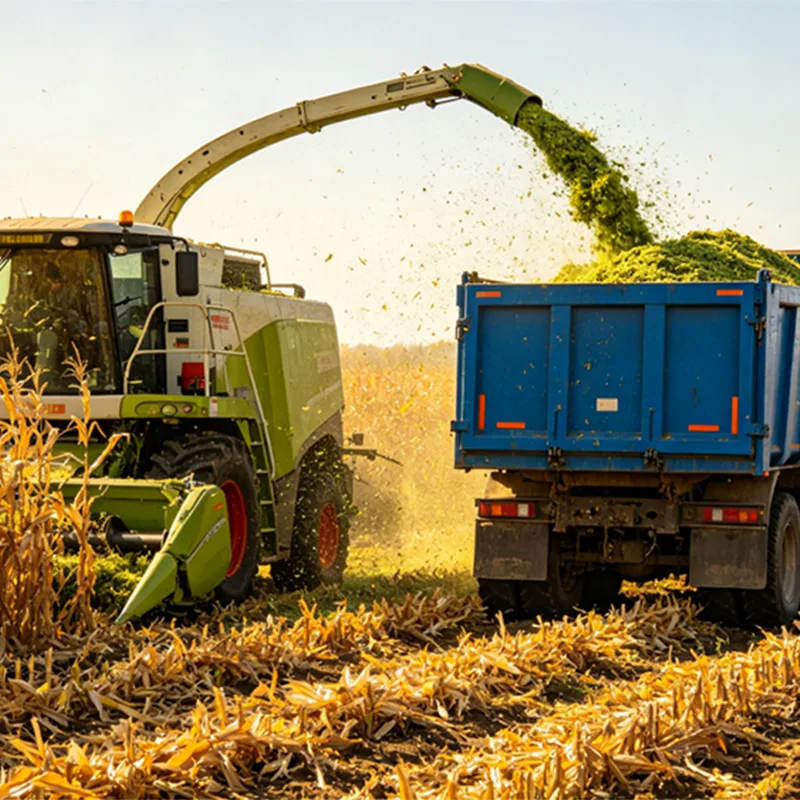
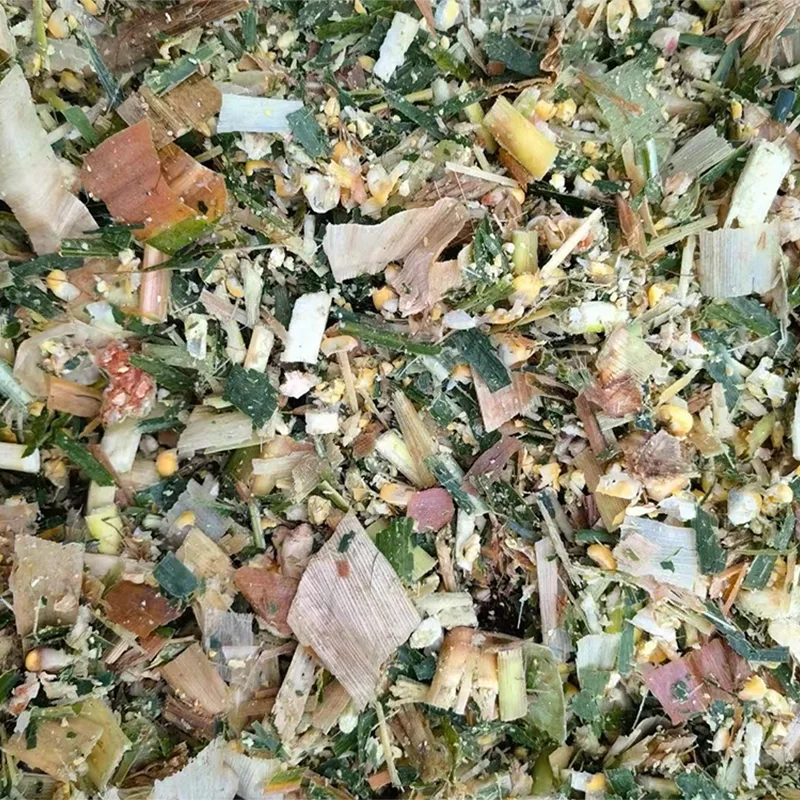
Autumn Harvest Corn Silage
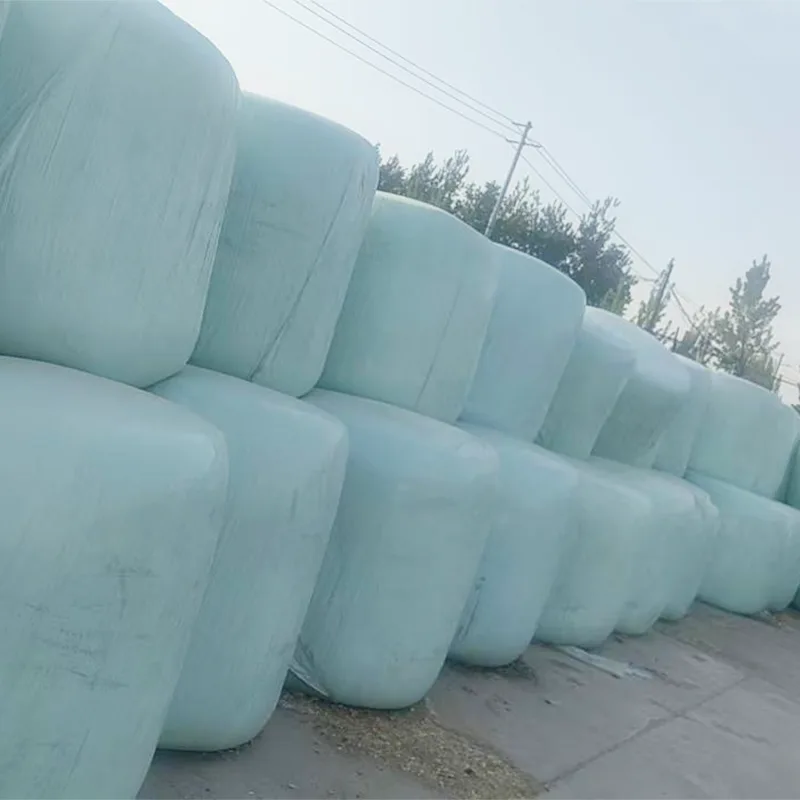
Hebei Yiman Agricultural Technology Co., Ltd. specializes in Autumn Harvest Corn Silage with full maturity, high nutrition and best storage performance. Our autumn silage has balanced energy and fiber, perfect for long-term storage and winter feeding. We support bulk wholesale, large inventory and long-term supply. With strict quality control, it is the first choice for annual feeding preparation of farms.
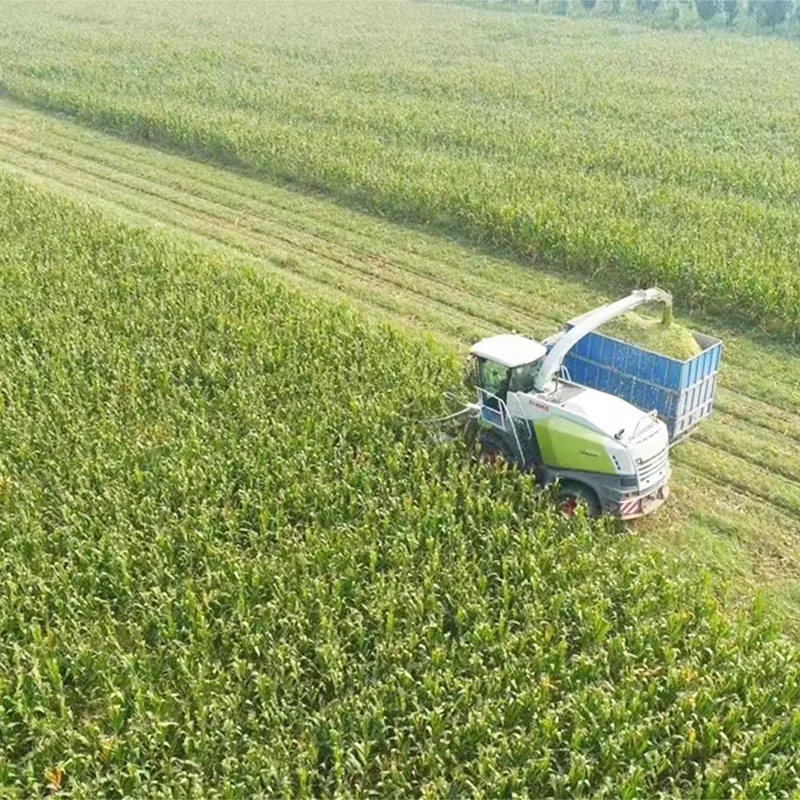
Summer Harvest Corn Silage
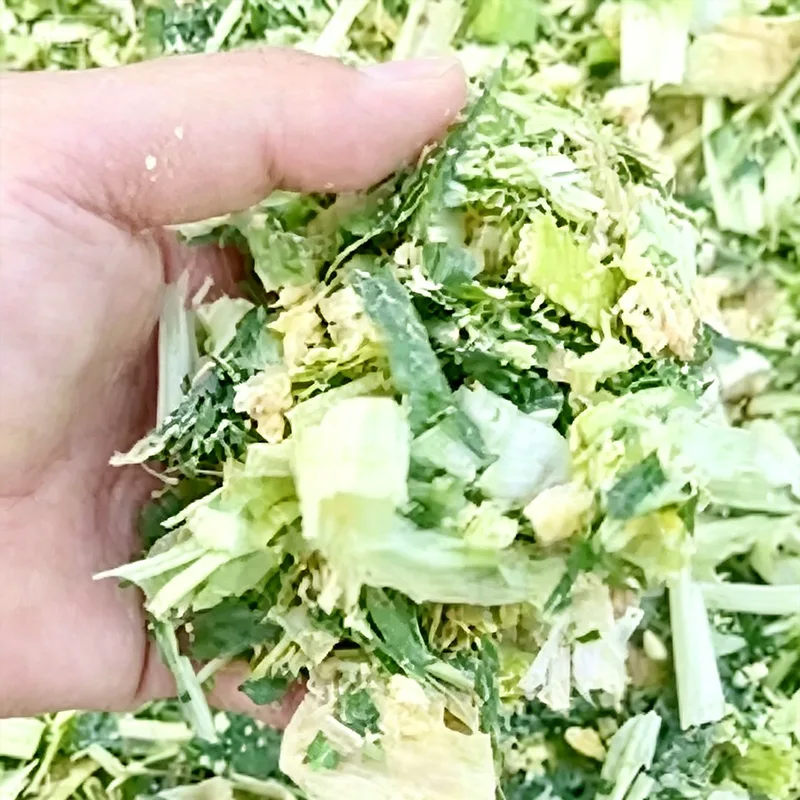
Hebei Yiman Agricultural Technology Co., Ltd. provides Summer Harvest Corn Silage with high moisture, fresh texture and strong palatability from summer harvesting. Our summer silage has sufficient nutrition and good taste, suitable for livestock feeding in hot seasons. We support bulk order, fast processing and sealed packaging.
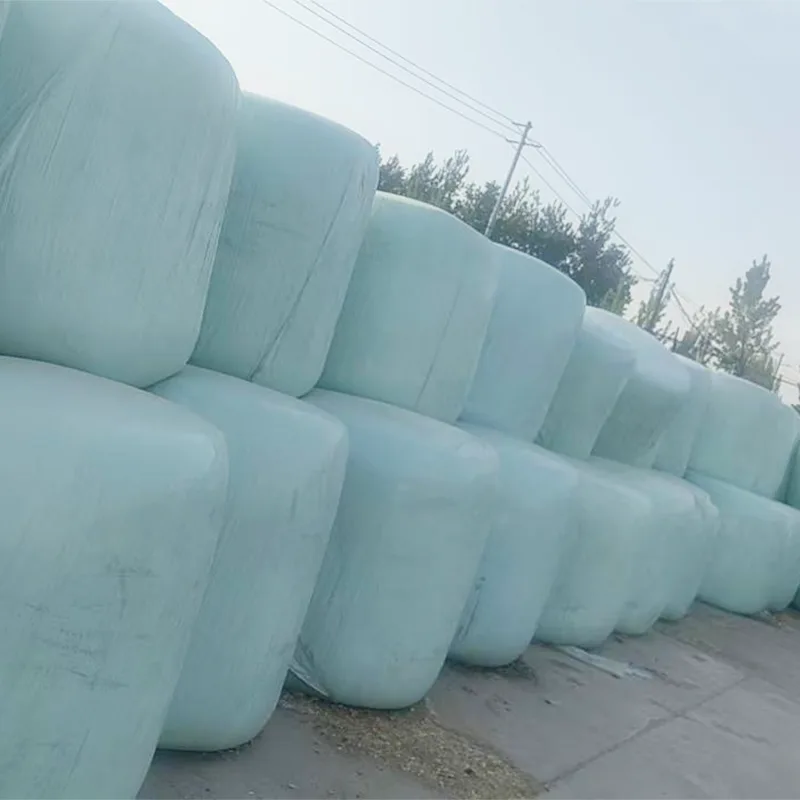
Year Round Supply Corn Silage
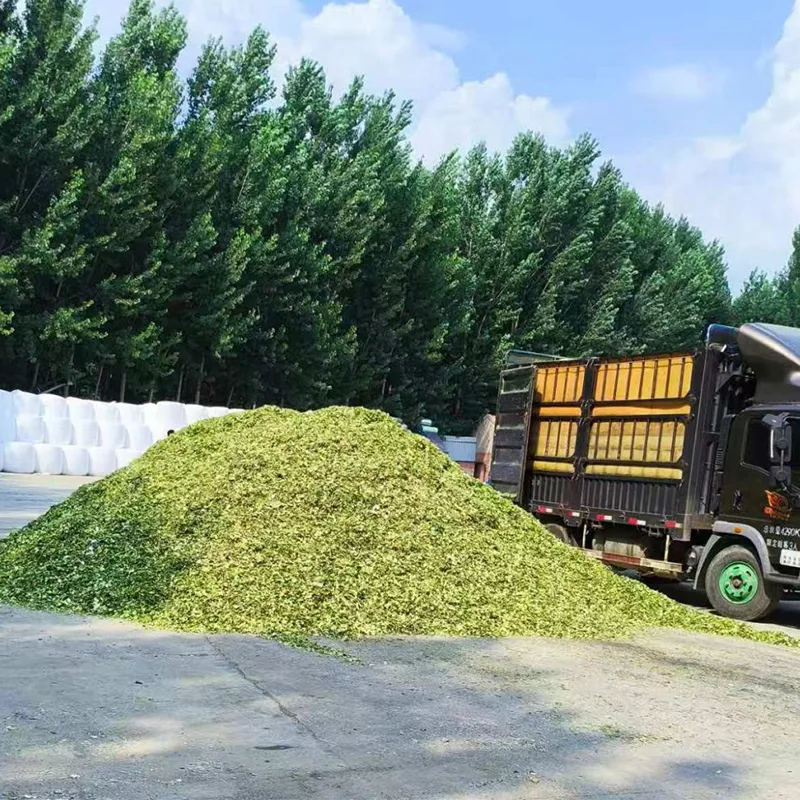
Hebei Yiman Agricultural Technology Co., Ltd. is a professional manufacturer of Year Round Supply Corn Silage, providing continuous 12
month silage supply with stable quality and sufficient inventory. Our year round silage solves seasonal shortage and ensures stable feeding for farms. We support long-term contract, bulk wholesale and fast delivery. With standardized production and multiple storage bases, we keep consistent supply for global livestock farms all year round.
As a reliable Seasonal Corn Silage manufacturer and supplier in China, we have custom options and volume discount pricing. Please just send us a quotation!