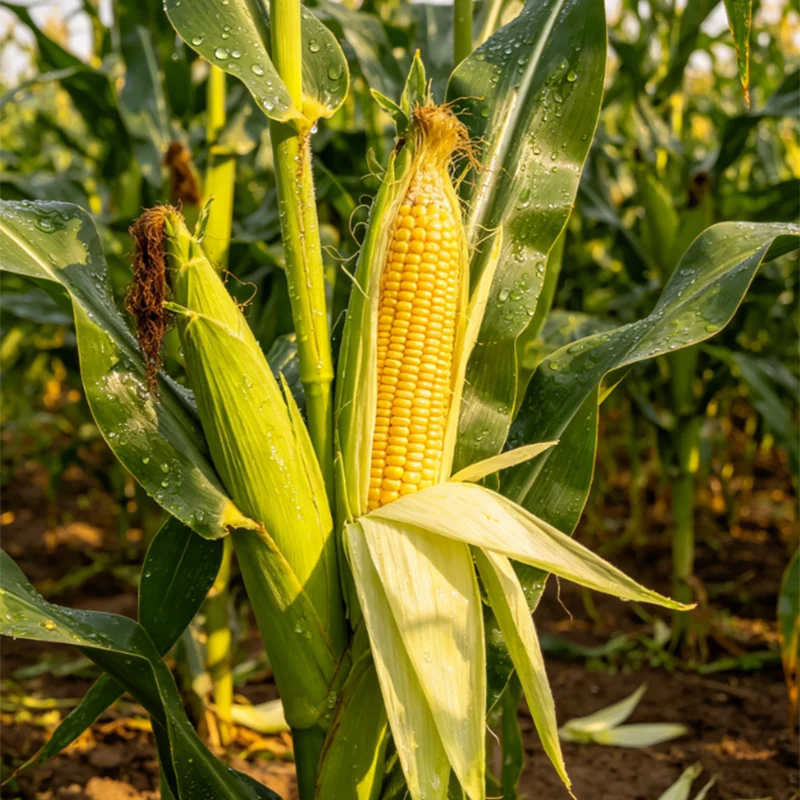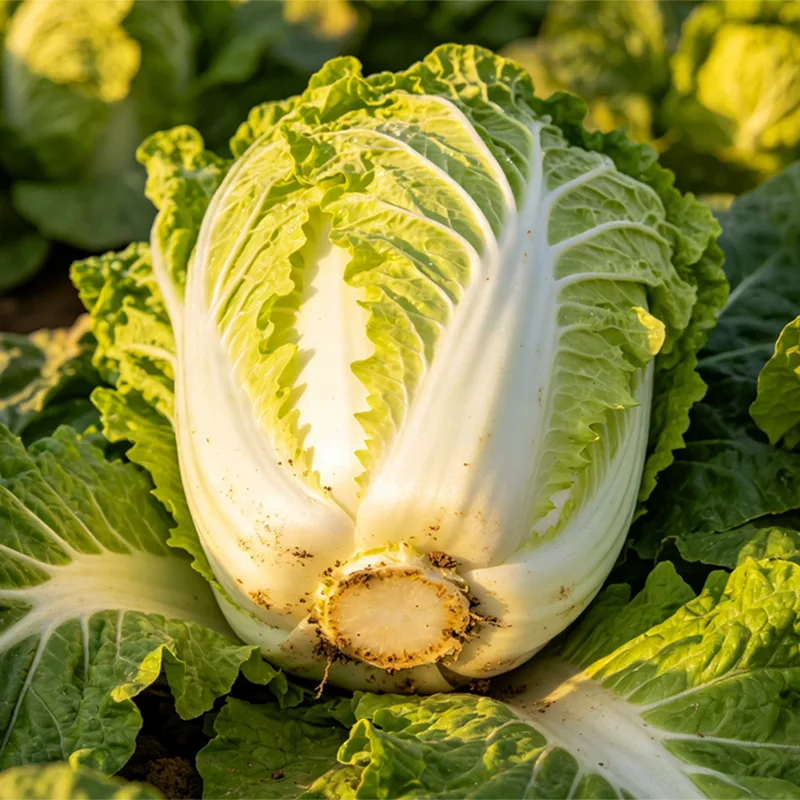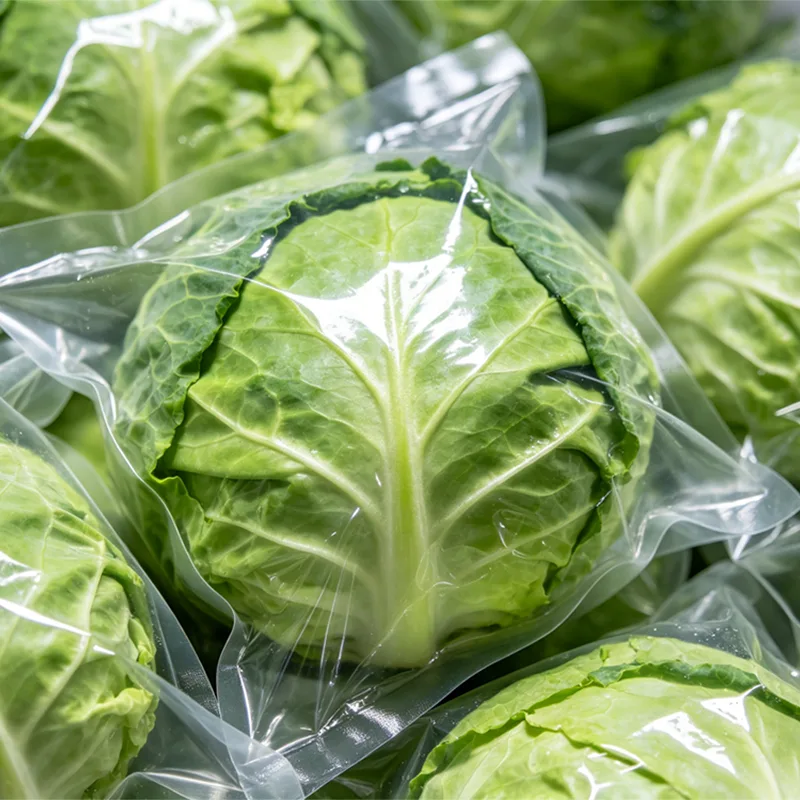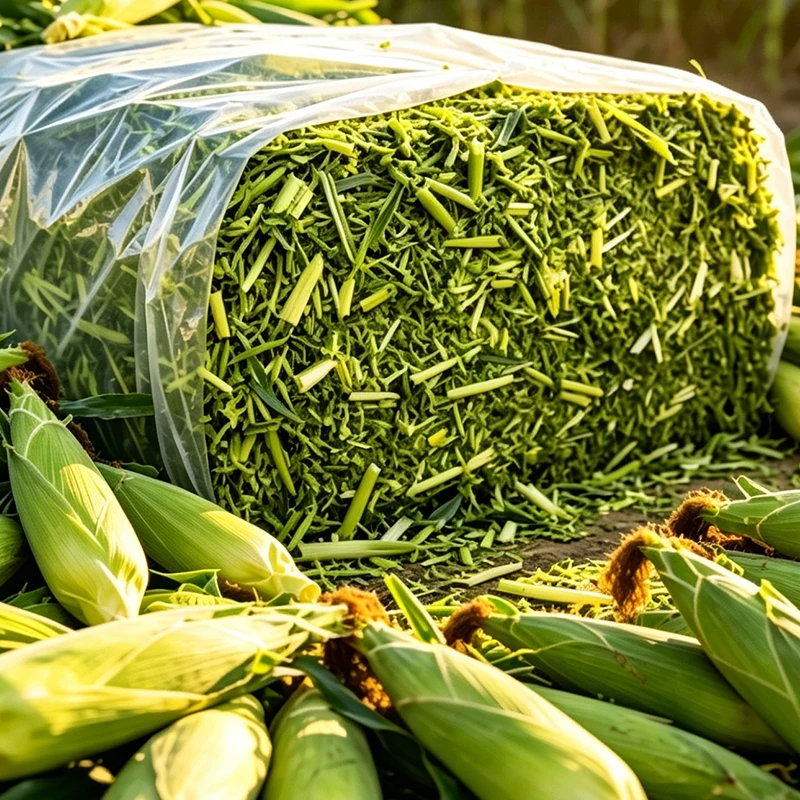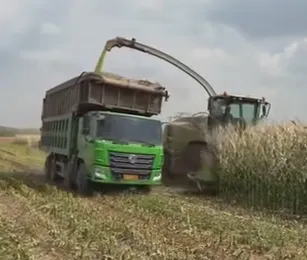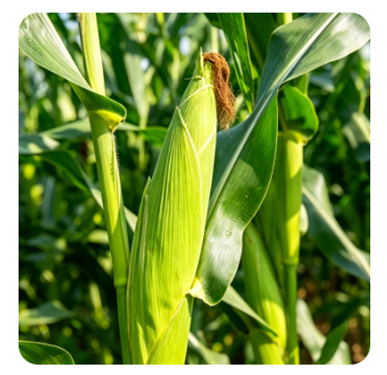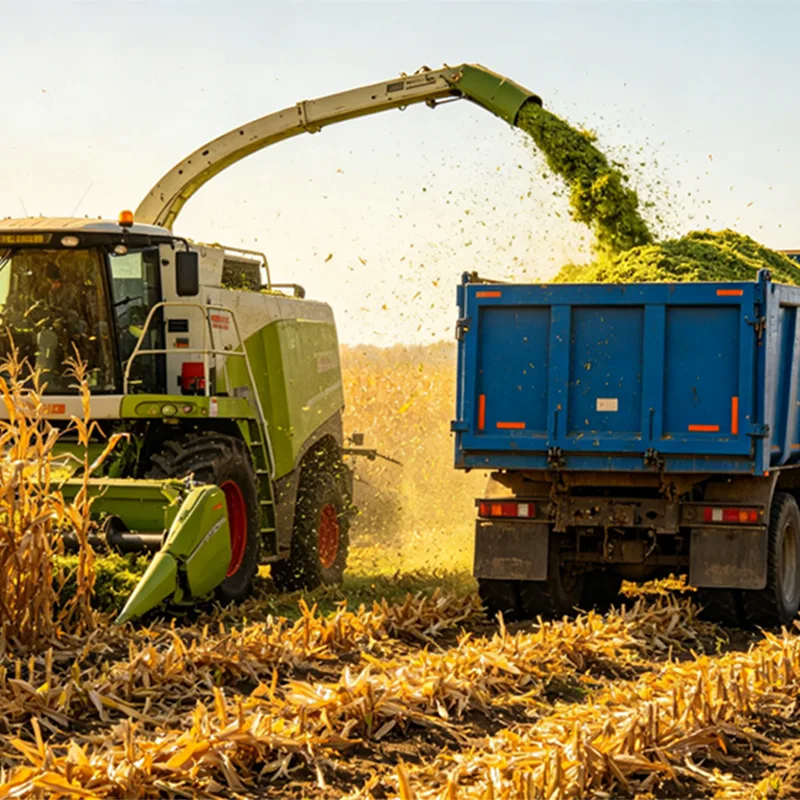
With high‑humidity weather events occurring frequently across the globe, how can high‑quality fresh corn silage be produced for high‑humidity conditions using scientific processes?
1. Common Global Industry Challenges: Core Dilemmas of Corn Silage in High-Humidity Climates
Against the backdrop of global climate anomalies and frequent extreme rainfall, major global corn-growing regions including Southeast Asia, South Asia, tropical and subtropical America, and southern China are generally plagued by high air humidity and excessive moisture in corn raw materials during the harvesting period. The water content of fresh corn after harvesting remains steadily in the high-humidity range of 60%-75%, becoming a common problem troubling the global animal husbandry industry. Traditional silage processes are mostly designed for low-humidity and dry corn raw materials, failing to adapt to the variable high-humidity planting climates worldwide. They easily cause a series of problems such as fermentation failure, mold growth, massive nutrient loss, and shortened storage life of feed, which have long restricted the stable development of the global silage feed industry.According to global silage industry research data, the mildew rate of high-humidity fresh corn raw materials processed without professional technology exceeds 30% worldwide, and the loss rate of dry matter and nutrients is as high as more than 25%. Many farming regions in Europe, America and Southeast Asia suffer from severe feed loss in high-humidity seasons due to the adoption of traditional silage models. This not only significantly increases the feed procurement and production costs of global breeding enterprises, but also mycotoxins produced by moldy silage will lead to reduced milk yield of dairy cows, slow growth of beef cattle, and frequent livestock and poultry diseases, directly affecting the production capacity and quality of global livestock and poultry products. In this industry context,high-humidity fresh corn silage technology tailored to the climatic characteristics of global high-humidity producing areas has become a core solution to solve global feed storage problems and help the breeding industry in various countries reduce costs and increase efficiency.
2. Core Technical Advantages: Global Adaptive High-Humidity Fresh Corn Silage Solutions
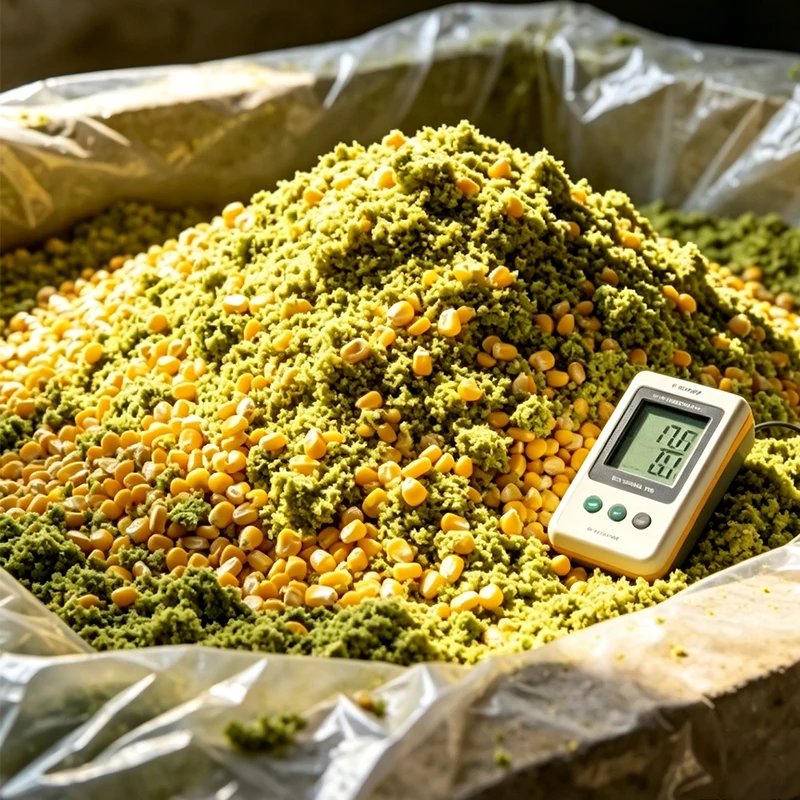
Different from traditional single and poorly adaptable silage technologies, the upgraded high-humidity fresh corn silage technology breaks geographical and climatic restrictions, perfectly adapts to various high-humidity corn-growing regions around the world, and specifically solves the silage processing difficulties in rainy, high-humidity and low-sunlight climates, with high global promotion value and landing advantages. Abandoning the traditional extensive model relying on natural drying and dehumidification, this technology supports immediate processing after fresh corn harvesting without being restricted by weather, site and labor conditions. It completely solves the global industry pain point that silage processing in high-humidity areas is subject to weather constraints, and is suitable for various global breeding scenarios including large-scale farms, medium and small breeding farms, and family pastures.From the perspective of core demands of the global breeding industry, feed nutrient retention rate and feeding stability are the top concerns of farmers worldwide. Through the core processes of low-temperature rapid fermentation and targeted flora cultivation, high-humidity fresh corn silage technology locks core nutrients such as crude protein, soluble sugar and crude fiber in corn stalks and ears to the greatest extent without long-term drying. Compared with traditional drying silage processes, the silage feed processed by this technology has a nutrient retention rate increased by more than 20%, with greatly optimized feed palatability and digestibility. It can effectively improve the feeding efficiency and feed conversion rate of global ruminant livestock such as cattle and sheep, and help breeders in various countries enhance breeding capacity and economic benefits.In terms of global universal feed storage and anti-mildew standards, high-humidity fresh corn silage technology has excellent compliance and stability. Equipped with internationally universal safe fermentation additives and mold inhibitors, the technology can quickly build a high-quality anaerobic fermentation environment, inhibit the reproduction of molds and harmful miscellaneous bacteria, and fundamentally solve the problems of mildew, deterioration and secondary fermentation of high-humidity materials. Verified by field tests on farms in many countries, the standardized processed high-humidity fresh corn silage has a fermentation success rate of over 98%, with a stable sealed storage cycle of more than 12 months and no obvious deterioration or nutrient attenuation throughout the period, fully complying with feed safety storage standards in Europe, America, Southeast Asia and other regions worldwide.
Related News
- How to Optimize Corn Silage Ideas to Boost Livestock Feed Quality and Farm Profit?
- How Does High-Grade Corn Silage Mixed Feed Boost Livestock Farming Profit Margins?
- Why Modern Livestock Farms Prefer Whole Plant Corn Silage
- How to Improve Livestock Breeding Efficiency with High-Quality Whole Plant Corn Silage?
- Why Is Yiman Whole-Plant Baled Silage the Smart Feed for Herds?
- What core strengths make Yiman Agriculture your ideal supplier for pickled cabbage bulk import projects?
Leave me a message